
foodable network appears across digital channels to connect restaurants, brands, and investors. The platform produces video, editorial, events, and data that reach restaurant operators and food executives. It helps leaders learn fast, find partners, and test concepts. This article explains what the foodable network offers, its main products, and how restaurants, suppliers, and investors measure impact.
Table of Contents
ToggleKey Takeaways
- The foodable network connects restaurants, brands, and investors through video, editorial content, events, and data services tailored for the restaurant industry.
- Its core products—video series, editorial articles, events, and data dashboards—work together to build awareness, trust, sales meetings, and prove outcomes effectively.
- Restaurants use the foodable network to test menu ideas, train teams, and meet suppliers, helping them optimize pricing and operations.
- Suppliers leverage the platform to reach buyers, sponsor content, and adjust strategies using audience insights for better market fit.
- Investors rely on foodable’s data and events to screen opportunities, monitor industry shifts, and connect with founders and operators.
- The platform enables clear impact measurement via key metrics like trial rates, conversion, sales lifts, and ROI calculations to guide future investments.
What Is Foodable Network And Why It Matters
The foodable network acts as a media and intelligence company for the restaurant industry. It publishes video series and articles that focus on strategy, operations, and trends. It hosts events that bring operators and suppliers together. It sells data services that track menu, labor, and customer signals. Leaders use the foodable network to discover ideas, validate concepts, and reach buyers. The platform compiles audience insights that brands can buy. It builds trust with operators by showing real examples and speaker interviews. It also produces short-form video that managers can share with staff. The foodable network keeps content timely. It updates series and reports to reflect price shifts, labor gaps, and demand changes. The platform matters because it centralizes practical knowledge for a specific audience. It reduces search time for executives. It connects marketing and product teams to active buyers. It helps small chains and large chains learn the same lessons quickly.
Core Products: Video Series, Editorial Content, Events, And Data Services
The foodable network offers four core products that work together. Each product targets a clear user need.
Video series
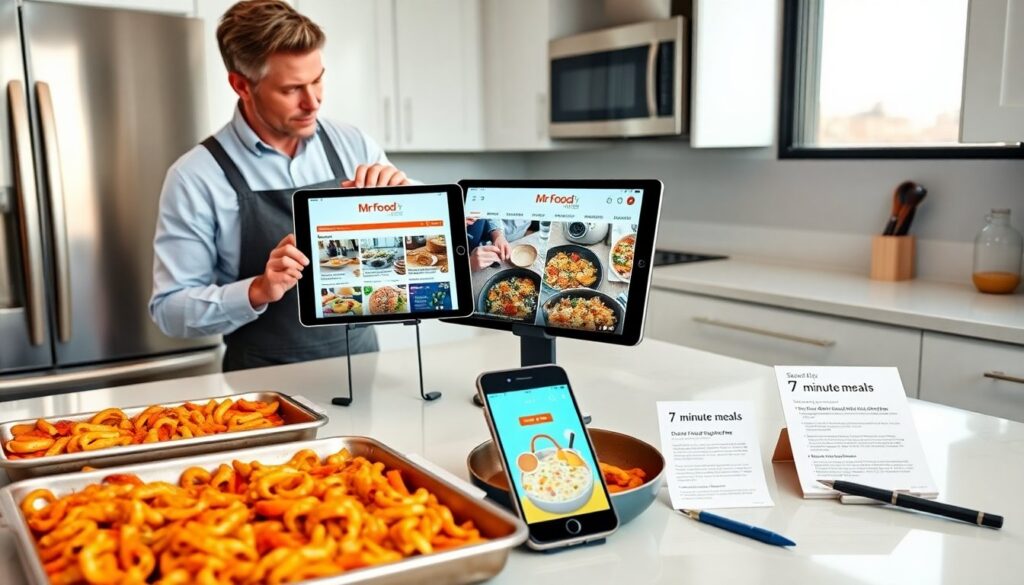
The platform produces weekly video shows that focus on operations, design, and tech. Hosts interview chefs, operators, and suppliers. Videos run from short clips to 20-minute episodes. Managers use clips for training and pitching new ideas.
Editorial content
The site publishes news, how-to guides, and trend reports. Writers test concepts and report results in plain language. Operators read these stories to learn tactics they can use the next day.
Events
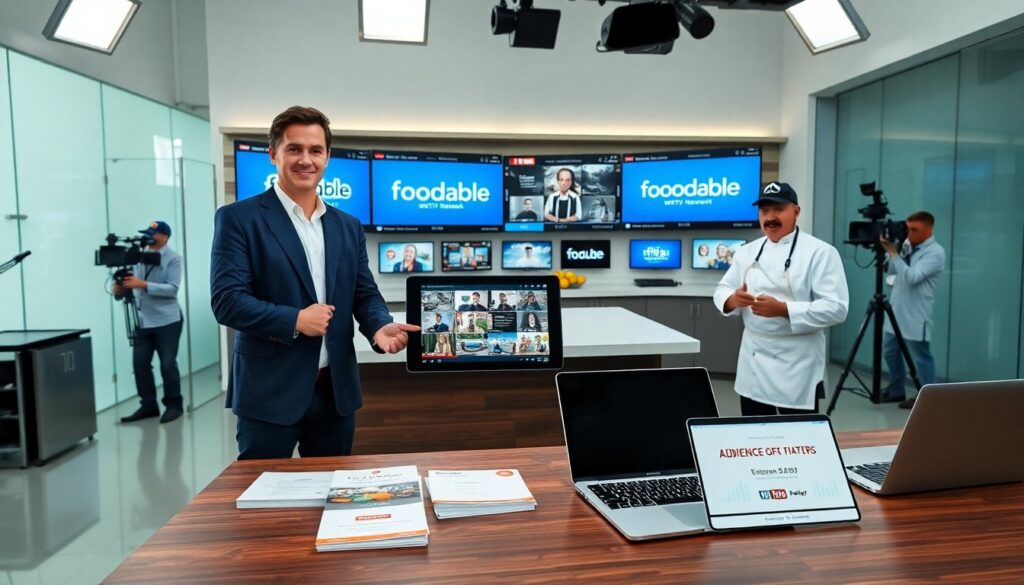
Foodable runs conferences and roundtables. Events mix panels, demos, and networking. Brands meet buyers. Operators see new products in live demos.
Data services
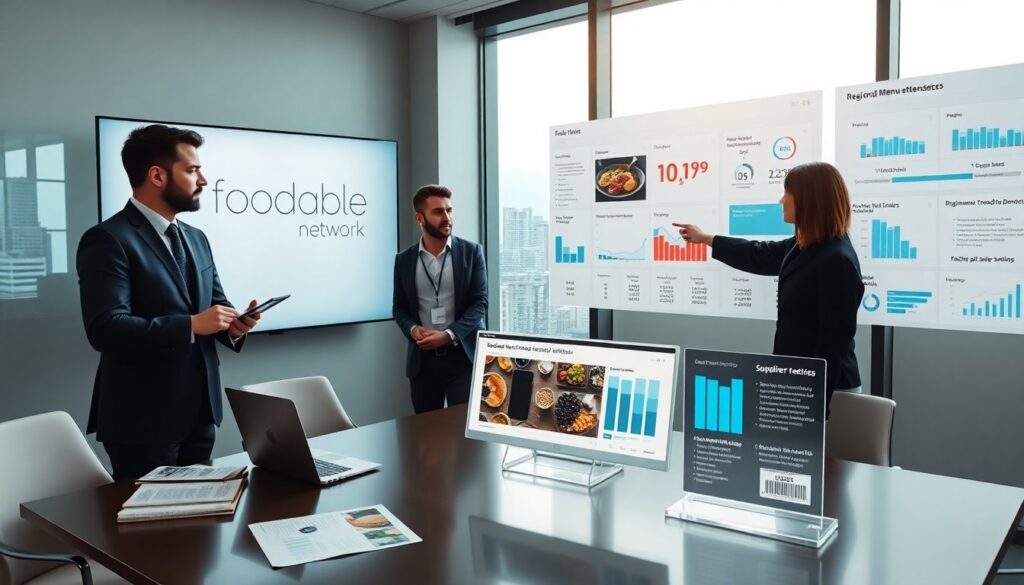
The company sells reports and dashboards that track menu trends, labor rates, and consumer demand. Buyers can segment by region and price point. Suppliers use the data to time launches. Investors use the data to vet concepts.
How the products combine
Video creates awareness. Editorial builds trust. Events create sales meetings. Data proves outcomes. Together, these products let the foodable network guide decisions across marketing, operations, and investment.
How Restaurants, Suppliers, And Investors Use Foodable To Grow
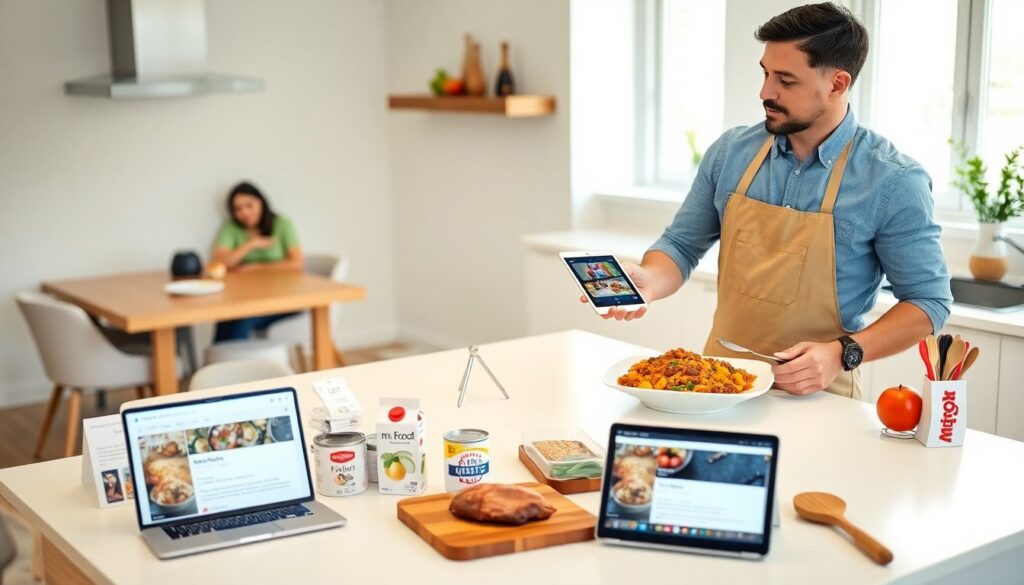
Restaurants use the foodable network to test menu ideas and train teams. They watch guest episodes to learn staffing changes and tech adoption. They use reports to set pricing and to pick suppliers. They use event access to meet regional distributors.
Suppliers use the foodable network to reach buyers and to show product results. They sponsor episodes and host demo sessions. They buy data to find receptive markets. They adjust packaging and pricing based on audience feedback.
Investors use the foodable network to screen opportunities and to monitor sector shifts. They read reports to compare margins and churn. They attend events to meet founders and operators. They use dashboards to watch early signals before they show in public filings.
The platform creates a shared set of facts. That shared set makes conversations faster and proposals shorter. It reduces time from concept to trial. It helps partners align on metrics and proof points. The foodable network also builds reputation for emerging brands. When a brand shows on a video series or at an event, buyers pay attention.
Measuring Impact: Key Metrics, Case Examples, And Calculating ROI
Operators measure results with clear metrics. They track trial rate, conversion, and cost per meeting. They track lift in traffic and change in average check after campaigns. They compare test locations with control locations. They use dashboard reports from the foodable network to measure reach and engagement.
Case example 1
A three-unit fast-casual chain used a video series to test a seasonal bowl. The chain recorded a 12% lift in unit sales at test stores. It lowered launch cost by using a supplier introduced at a foodable event. The chain calculated payback in four weeks.
Case example 2
A mid-size supplier sponsored editorial content and a demo session. The supplier closed distribution deals with five regional chains after the event. The supplier tracked cost per order and found sales exceeded the sponsorship cost within two months.
Calculating ROI
Teams set clear goals before they buy a package. They define target store openings, shipment volume, or traffic lift. They track baseline metrics for four weeks and then track the same metrics for eight weeks after the campaign. They calculate incremental revenue and subtract campaign cost. They divide net gain by cost to get ROI. The foodable network provides impression counts, view time, and demo attendance as inputs. Those inputs help teams attribute results to specific activities.
Key metrics to watch
- Reach and view time for video content.
- Demo attendance and qualified meetings from events.
- Conversion rates from editorial leads.
- Incremental sales at test stores.
These metrics help teams decide where to invest next. They let operators scale what worked and stop what did not.