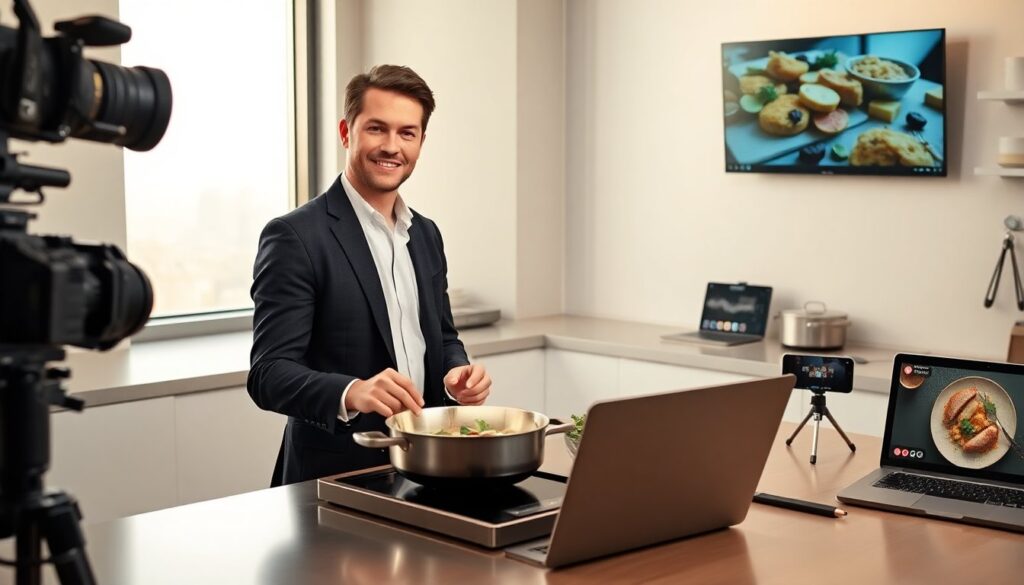

Food TV hosts set trends and teach techniques. The list of top food TV hosts moves homes to try new recipes and diners to pick new dishes. This article lists who leads food TV hosts in 2026 and why they matter. It shows traits, history, styles, and clear steps for someone who wants to join the field.
Table of Contents
ToggleKey Takeaways
- Food TV hosts succeed by connecting with viewers through clear communication, authentic cooking skills, and adaptable on-screen presence.
- Pioneering hosts like Julia Child and Emeril Lagasse shaped the food TV landscape by combining technique with strong, memorable personalities.
- Top food TV hosts in 2026 skillfully balance long-form shows and short clips to engage both niche and broad audiences across multiple platforms.
- Successful hosts use signature phrases, visual focus on food textures, and personal stories to build trust and viewer recall.
- Aspiring food TV hosts should develop on-camera skills, create diverse demo clips, build portfolios, and actively network through festivals and competitions.
- A sustainable career path involves starting with cooking experience, moving to short-form content, securing regular TV/web segments, and expanding into products or classes as popularity grows.
What Makes A Great Food TV Host In Today’s Media Landscape
A great food TV host connects with viewers. A host explains steps, shows emotion, and keeps focus on food. The host speaks clearly and shows real skill. The host adapts to short clips, long shows, and live streams. The host knows camera work, basic lighting, and sound. The host uses food knowledge to teach and entertain. The host values honesty about ingredients and methods. The host reads the audience and adjusts tone. The host builds trust with consistent quality. Producers look for hosts who can sell ideas, not just sell products. Many successful food TV hosts also write, run social accounts, and work with kitchens. These skills expand reach. Networks pick hosts who can grow an audience across TV and digital platforms.
The Originals: Pioneers Who Shaped Food Television
Early food TV hosts set basic rules for the genre. Julia Child taught clear technique and calm confidence. Graham Kerr brought theatrical flair and showmanship. Julia and Graham made food TV hosts visible and valued. They proved that cooking on screen could teach complex skills. Later hosts like Emeril Lagasse added personality and catchphrases. They made food TV hosts into stars who could drive ratings. These pioneers pushed cookbooks, restaurants, and product lines. They also set a template: a host with a strong persona can build a media career. Networks still follow that template in 2026. They pair instructional skill with a distinct voice. New hosts often study clips of these pioneers to learn timing, setup, and how to break down steps for viewers.
Today’s Top Food TV Hosts To Watch (Style, Tone, And Audience)
Modern viewers watch a mix of long-form shows and short clips. Top food TV hosts now target niche audiences and broad cable viewers. Some hosts focus on technique and fine dining. Other hosts aim at quick meals and busy families. A few hosts center on culture and food history. Networks pick hosts who match show goals and audience habits. Streaming platforms favor hosts who can carry a season-long arc. Social platforms favor hosts who can make quick, clear clips. The best hosts do both.
How These Hosts Stand Out: Signature Traits And On-Screen Techniques
A top host uses clear voice, steady pacing, and visual focus. They show close-up shots of textures and simple step lists on-screen. They use plain language to explain timing and heat. They reuse signature moves or phrases to build recall. They bring small personal stories that link to a dish. They show failures and fixes to teach troubleshooting. They welcome questions in comments and respond on social. Many top hosts cross-post short how-to clips and full episodes. This cross-posting makes them easy to find. It moves viewers from a quick clip to a full recipe. Hosts who teach technique retain serious cooks. Hosts who show fast wins keep casual viewers.
How To Become A Memorable Food TV Host — Skills, Platforms, And Career Pathways
An aspiring host builds clear on-camera skills first. They practice short demos and long demos. They record, edit, and make a one-minute clip and a ten-minute clip. They study camera angles and simple lighting. They learn sound basics and clear script outlines. They build a portfolio of recipes that fit their voice. They post consistent clips on social platforms and a channel or portfolio site. They pitch local TV, cooking networks, and streaming producers with a clear show idea. They also attend food festivals and network with producers and agents. They join cooking competitions or guest segments to gain exposure.
A practical career path starts in kitchens or teaching. Breadth in cooking and food safety helps. Then the person moves to short-form social clips. Next they secure a recurring segment on local TV or a web series. They grow audience numbers and then pitch larger shows. Agencies help once the host shows steady viewership. The host expands into books, branded products, or classes when demand grows. A steady work ethic and clear on-camera style make a lasting career.