
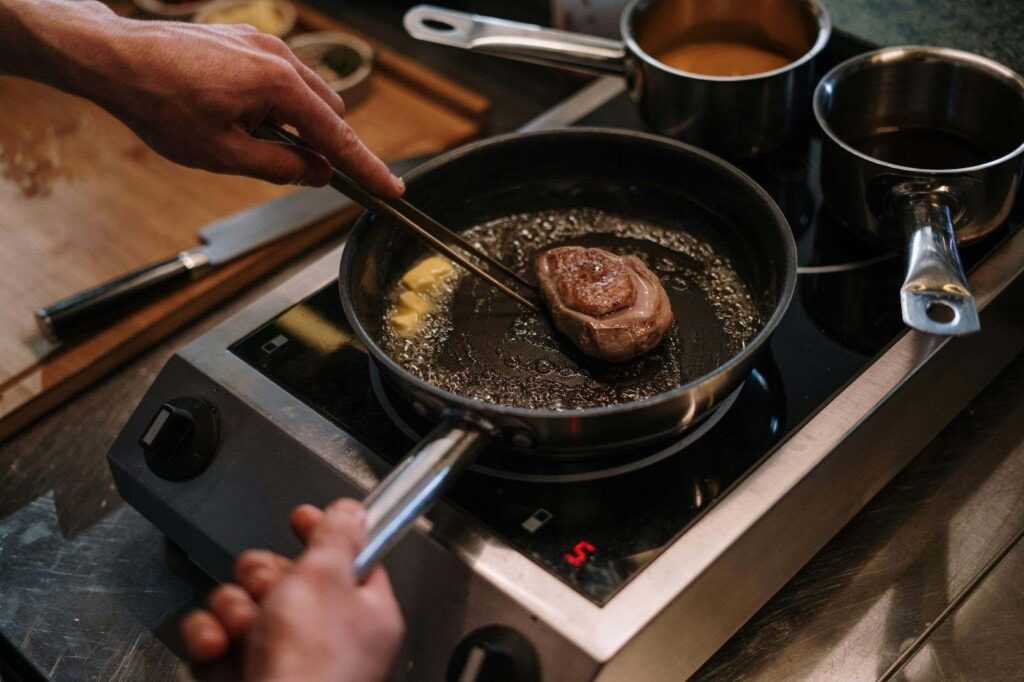

A perfectly seared piece of chicken, steak, or fish is a joy on its own. But the real magic happens in the minutes after it leaves the pan. That golden-brown residue stuck to the bottom (we call this “the fond”) is a treasure trove of concentrated flavor, and it’s the secret ingredient to transforming a simple protein into a truly memorable dish. Learning to make a pan sauce is one of the most valuable skills a home cook can master, requiring minimal extra ingredients and just a few minutes of effort.
This article will guide you through the fundamental technique and then show you how to apply it to create five essential sauces that every aspiring chef should know. These aren’t fussy recipes; they’re foundational methods that use the fond from your cooking to build rich, complex flavors. Once you understand the rhythm of deglazing, reducing, and enriching, you can adapt and create endlessly.
1. White Wine and Caper Butter Sauce
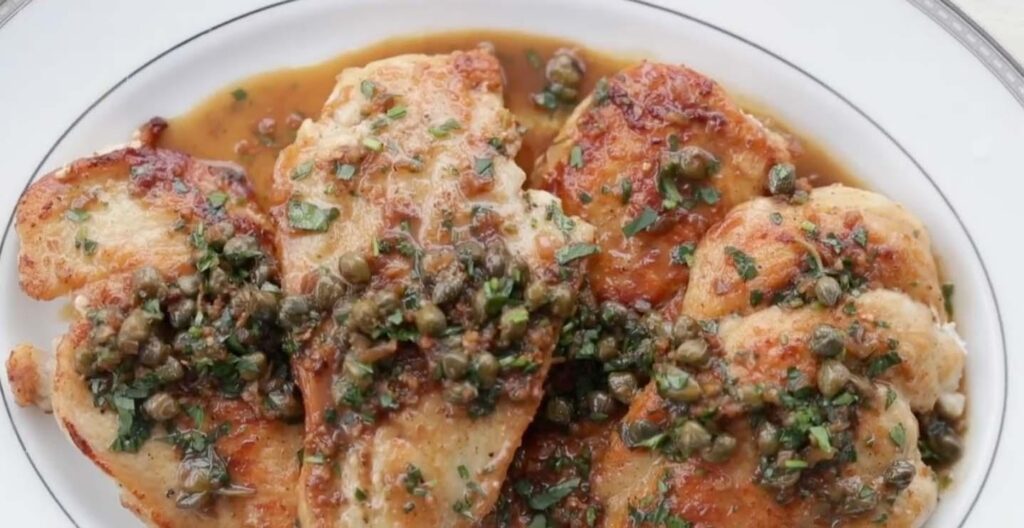
With this bright, tangy sauce mastered, you’ll be able to make satisfying meals like this easy Chicken Piccata recipe. After searing your protein, remove it from the pan and set it aside to rest. Place the pan back over medium heat and add a minced shallot, sautéing until soft. Deglaze the pan with about 1/4 cup of dry white wine, using a wooden spoon to scrape up all the delicious fond.
Next, add the capers and lemon juice, and cook until most of the liquid is gone. The final step is to mount the sauce with cold butter, one tablespoon at a time, whisking constantly until the sauce is glossy and emulsified. The result is a silky, vibrant sauce that perfectly complements poultry and fish.
2. Honey Mustard Pan Sauce
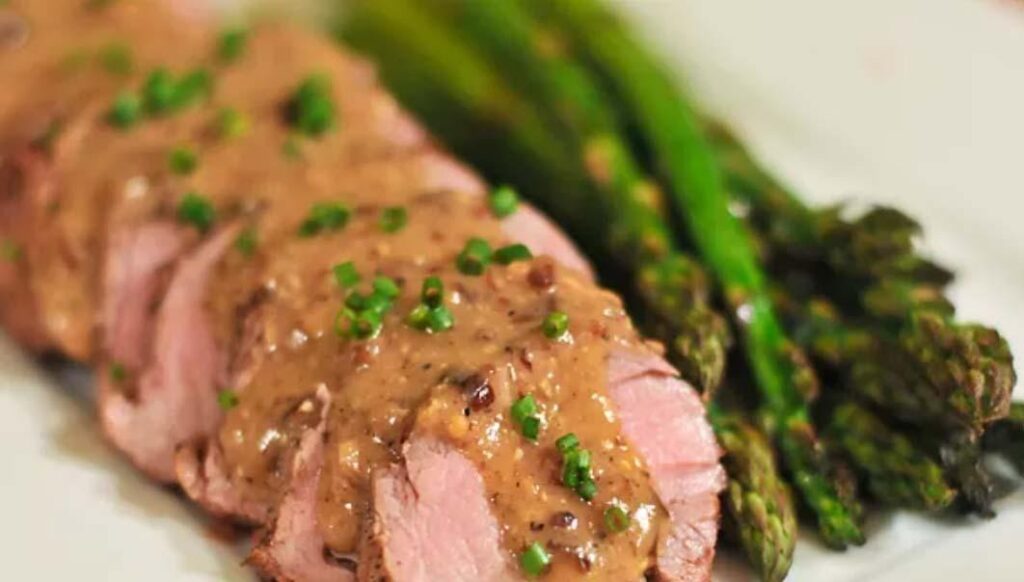
For a sauce that balances sweet and sharp, this honey mustard is a weeknight favorite. After removing your seared chicken or pork, add a tablespoon of Dijon mustard and a tablespoon of whole-grain mustard to the hot pan. Pour in 1/4 cup of chicken or vegetable stock to deglaze, scraping up the fond. Stir in 2 tablespoons of honey and let the mixture simmer and thicken for 2-3 minutes. For a creamier texture, stir in a splash of heavy cream or a pat of butter at the end. This sauce is quick, forgiving, and universally loved, making it perfect for introducing new cooks to the art of sauce-making.
3. Peppercorn Sauce
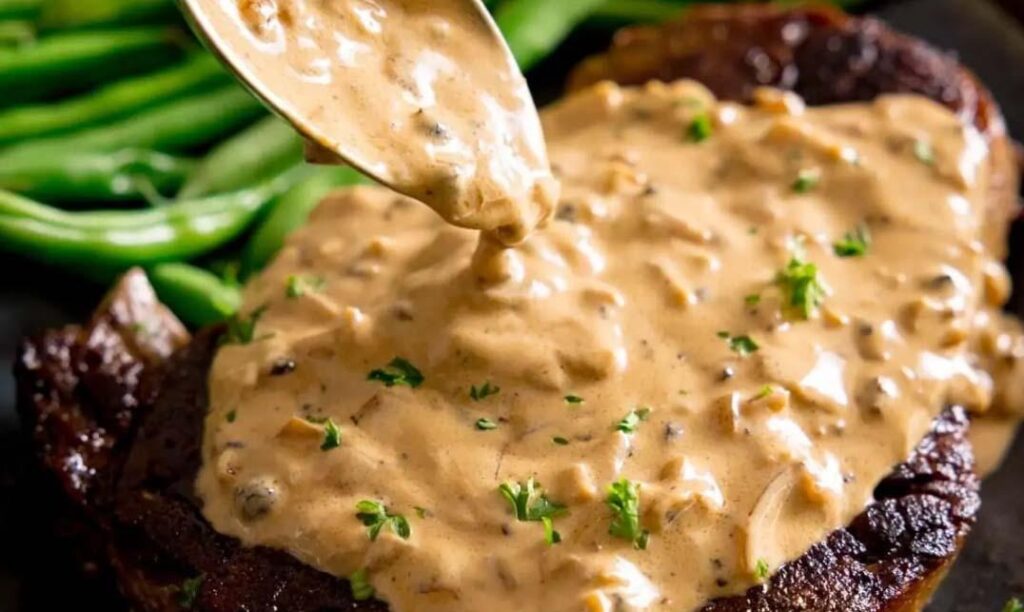
A classic accompaniment to steak, this sauce delivers a bold, aromatic heat. After searing your steak, remove it to rest. Add 1-2 teaspoons of coarsely crushed black peppercorns to the pan and toast them for 15 seconds. Carefully pour in 1/4 cup of brandy or cognac to deglaze while watching for flames, and scrape up the fond. Let the alcohol burn off completely. Stir in 1/2 cup of beef stock and let it reduce by half. Finish by whisking in 1/4 cup of heavy cream and simmering until the sauce coats the back of a spoon. For a richer finish, mount with a tablespoon of cold butter off the heat. This luxurious sauce turns a simple grilled steak into a restaurant-worthy meal.
4. Marsala Sauce
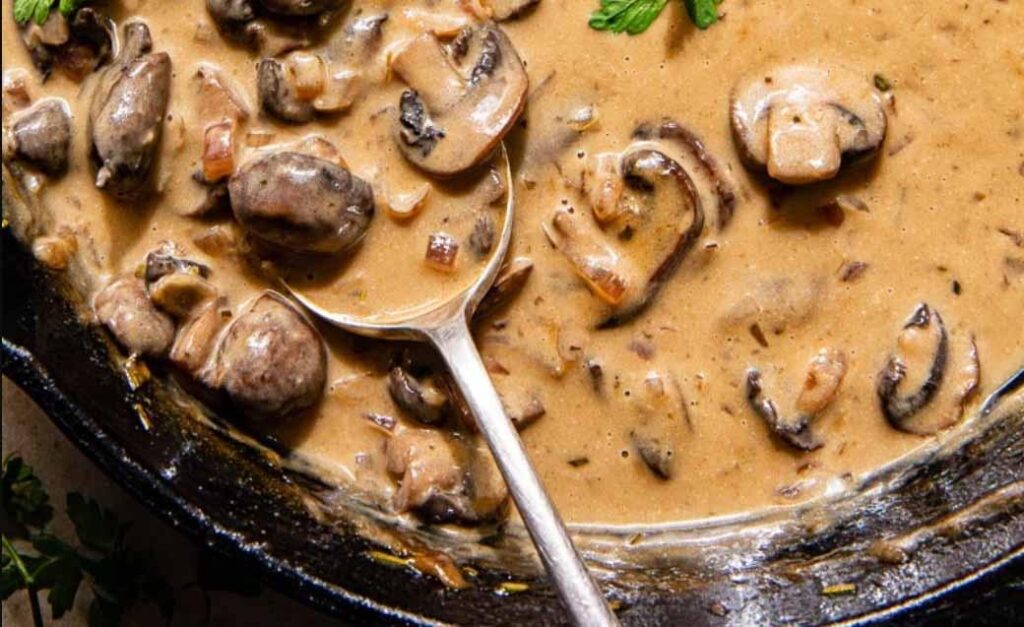
Hailing from Sicily, Marsala sauce is a rich, savory pan sauce defined by its namesake fortified wine. After searing chicken or veal, remove the protein and sauté mushrooms and shallots in the same pan to build a deep flavor base. Deglaze with 1/2 cup of dry Marsala wine, scraping up the fond, and let it reduce by half to mellow its sweetness and concentrate its flavor. Add 1/2 cup of chicken or beef stock and simmer until the sauce begins to thicken. The final step is to mount the sauce with a few tablespoons of cold butter, whisking until the sauce is glossy and velvety.
5. Bordelaise Sauce
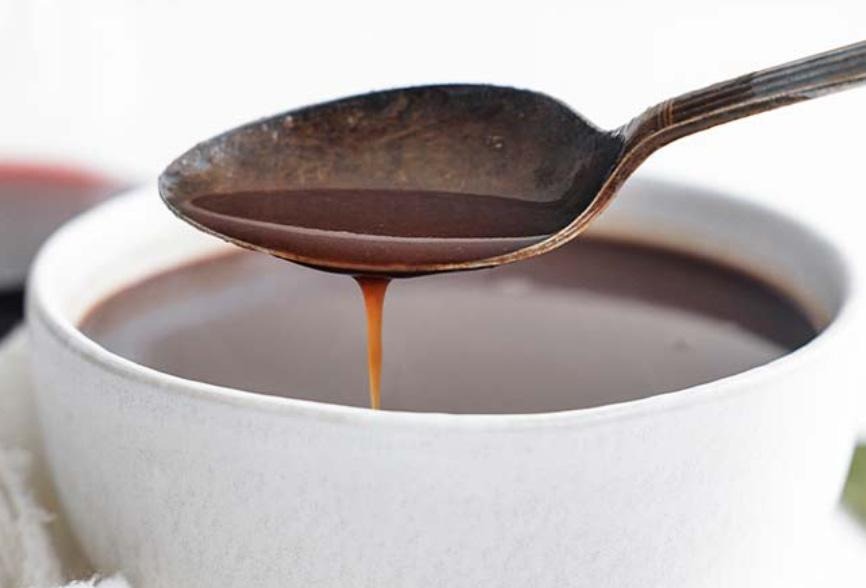
Originating from the Bordeaux region of France, Bordelaise is the quintessential red wine sauce for steak. After removing your seared steak, add finely minced shallots and a sprig of thyme to the pan. Pour in 1 cup of dry red Bordeaux wine to deglaze, scraping up every bit of fond. Simmer the wine mixture until it has reduced to a thick, syrupy glaze. For the most traditional flavor, stir in a spoonful of demi-glace and a piece of roasted bone marrow, which melts into the sauce, adding an unparalleled richness and depth. Season with salt and pepper, and strain if desired. This deeply savory, complex sauce elevates a simple piece of grilled meat into a luxurious dining experience.
Final Thoughts
Mastering these five sauces provides a powerful toolkit for any cook. You’ll need a stainless steel pan to get the best results since non-stick pans prevent fond from forming, and cast-iron skillets can add a metallic taste. The process is more about understanding a principle than memorizing a recipe: build flavor, reduce for intensity, and finish for richness. With these skills, even the simplest ingredients can be transformed into something truly special.