
I’ve learned the hard way that throwing a successful casino night isn’t just about shuffling cards and dealing chips. It’s about solving one annoying problem that wrecks most amateur casino parties: greasy fingers destroying your gaming setup. Last time I hosted without a plan, I watched someone’s buffalo wing sauce smear across my newly-purchased felt table—never again. The real trick? I built what I call the “Clean Hands” menu strategy and paired it with a “Funny Money” economy that keeps the night flowing from that first shaken martini straight through to the final prize grab.
Table of Contents
ToggleHow Do You Create a High-Roller Atmosphere on a Budget?
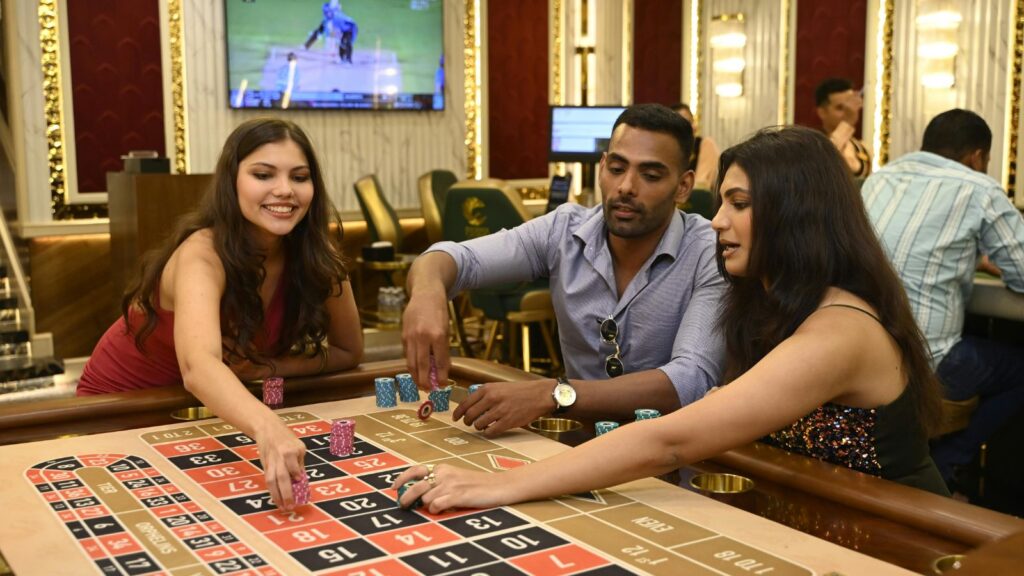
You don’t need to gut your living room or rent thousands of dollars in casino equipment. I figured out that nailing the vibe comes down to three things—what I call the “trinity of ambiance.” Dim warm lighting, a strict red-black-gold color scheme, and a dedicated “Pit” zone for gaming. When you section off that space, something shifts. Your guests stop seeing your coffee table and start feeling like they just walked into a private Monte Carlo room.
Honestly? You don’t need the budget of places like Casino Gamdom to pull this off. You just need to control what people see, hear, and touch. I started by covering my game tables with green felt tablecloths—the texture alone changes everything. The sound of poker chips hitting that surface becomes softer, more professional. Cards glide instead of sticking. Then I swapped the overhead lights for low-wattage lamps and string lights. Suddenly, the room felt intimate. Like a speakeasy where the stakes actually mattered.
Music’s the final piece. I built a Spotify playlist heavy on Rat Pack jazz and modern lounge covers—nothing too loud, nothing too quiet. The goal’s simple: fill the dead air when someone’s thinking through a bluff, but keep it low enough that I (or whoever’s playing Pit Boss) can call bets without shouting. Keep your dining area bright and social; keep the gaming corner moody and focused. That contrast does the work for you.
What Is the “Clean Hands” Menu Strategy?
This is where most people screw up. I’ve seen friends serve ribs and hot wings at poker tables—absolute disaster. Sticky cards. Stained felt. The “Clean Hands” strategy solves this by splitting your menu into two strict phases: fork-required meals before the tables open, and dry finger foods once the games start.
Phase 1: The Fork-Required Dinner
Serve your main course as a sit-down event before anyone touches a card. This lets you go big on impressive, substantial dishes without worrying about logistics later. I’ve had the most success with a carving station—roast beef or turkey feels fancy but plates up fast. A pasta station works too if you want guests to customize their bowls and load up early.
The strategy here’s pretty simple: fill them up. If your guests are satisfied from a heavy dinner, they won’t be grabbing for greasy appetizers once the cards hit the table. That keeps your green felt clean and your game moving.
Phase 2: Card-Safe Finger Foods
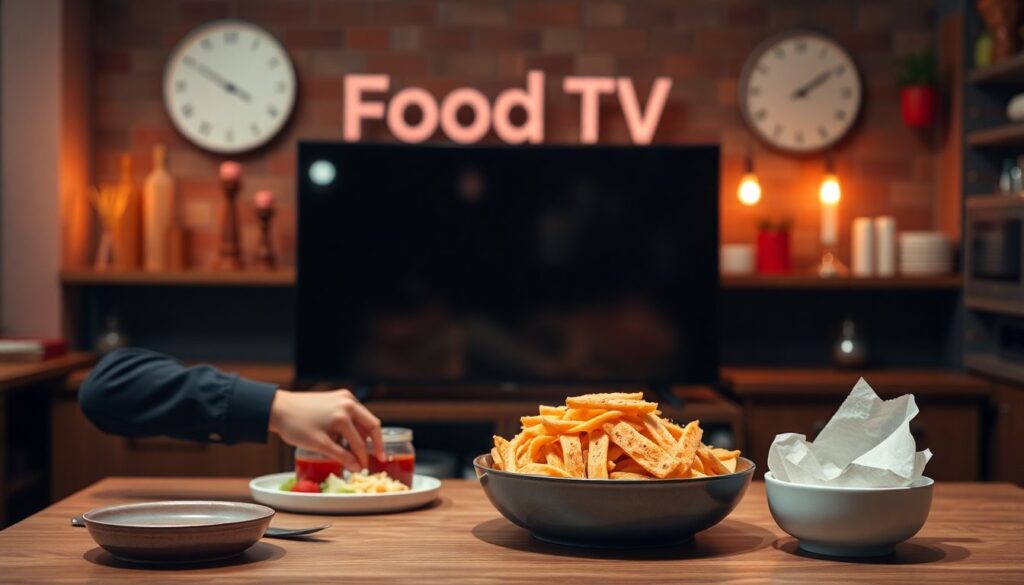
Once Blackjack and Texas Hold’em are running, I switch entirely to what I call “card-safe” snacks. One-handed foods that leave zero residue. No utensils. No powdered cheese, no sticky glazes, nothing that crumbles everywhere.
Shrimp cocktail shooters are perfect—sauce stays trapped at the bottom of the glass. Stuffed mushrooms give you that savory hit without the mess, as long as you don’t overfill them. Skewered items like caprese bites or antipasto let people eat without their fingers ever making contact with the actual food. This level of detail keeps the game flowing. No one’s running off for napkins every five minutes.
Which Classic Cocktails Set the Las Vegas Vibe?
The iconic casino drink’s obviously the Martini—shaken, not stirred, full James Bond energy. But here’s the thing: if you’re hosting, you can’t spend the whole night behind the bar. I learned to balance theme with efficiency by prepping batch cocktails before anyone arrives.
I’ll make a big bowl of “Royal Flush” punch or a signature “Wild Jacks” cocktail so guests can pour their own drinks. Stock your bar with gin, vodka, vermouth, and a ridiculous amount of olives. Use real glassware—heavy rock glasses, proper martini stems. The weight of a good glass changes how people carry themselves. Suddenly everyone’s posture straightens a bit.
Don’t forget mocktail options. I keep “No-Limit Lemonade” or sparkling grape juice on hand so non-drinkers still feel included in the aesthetic. And water—keep water near the gaming tables. Hydration keeps the energy up and the focus sharp.
How Does the “Funny Money” Prize System Work?
The “Funny Money” system’s how I solved the legal and social weirdness of gambling with real cash. Here’s the flow: guests get play money when they arrive, exchange it for chips at the tables, then convert their winnings into raffle tickets for actual prizes at the end. Keeps the thrill alive without anyone losing their mortgage.
Establishing the Exchange Rate
Keep the math stupid simple. I give every guest $500 in funny money at the door. At the end of the night, every $100 in chips becomes one raffle ticket. This setup rewards the winners without crushing the people who busted out early—I usually let guests “earn” extra buy-ins by helping clear plates or nailing a trivia question I toss out mid-game.
The Closing Ceremony: Raffle vs. Auction
You’ve got two ways to distribute prizes: blind raffle or live auction. A raffle’s faster and more democratic—even someone who lost every hand might walk away with a bottle of wine. An auction, though? That’s where the real energy hits. Guests bid their chip stacks on prizes like gift cards, premium bottles, or gag gifts. I’ve seen bidding wars get genuinely heated. For a competitive crowd, the auction’s way more memorable.
Conclusion: The Host’s “Run of Show” Timeline
Without a strict timeline, your dinner bleeds into the gaming window and suddenly it’s 11 PM with only one round played. I run my nights like this:
- 7:00 PM – Cocktails & Arrival: Hand out funny money, open the bar.
- 7:45 PM – The “Fork-Required” Dinner: Seated meal, away from the tables.
- 8:30 PM – Tables Open: “The Pit” goes live. Shift to card-safe snacks.
- 10:15 PM – Last Hand: Announce the final three hands. Tension peaks.
- 10:30 PM – The Cash Out: Convert chips to tickets, run the auction.
Control the timing, protect your equipment with smart food choices, and you’ll create an immersive night where your guests can focus on the cards, the company, and the rush of the bet.