
Cooking channel strategies separate successful food creators from those struggling to gain traction. The food content space on YouTube and social media has exploded in recent years, with millions of creators competing for viewers’ attention. Standing out requires more than just good recipes, it demands a clear plan, consistent execution, and smart optimization.
Whether someone is launching their first cooking channel or trying to scale an existing one, the right strategies make all the difference. This guide breaks down the core cooking channel strategies that help culinary creators build loyal audiences, increase views, and turn their passion for food into a thriving content business.
Table of Contents
ToggleKey Takeaways
- Successful cooking channel strategies start with defining a specific niche and understanding your target audience’s needs.
- High-quality visuals, clear audio, and engaging storytelling keep viewers watching and subscribing.
- Optimize video titles, descriptions, and tags with relevant keywords to improve search discoverability.
- Maintain a consistent posting schedule that balances quality with realistic production timelines.
- Build community through comment engagement, collaborations, and cross-platform content to grow a loyal audience.
- Use batch filming and content calendars to stay consistent without burning out.
Define Your Niche and Target Audience
Every successful cooking channel starts with a clear focus. Trying to appeal to everyone usually means appealing to no one. Creators need to identify what makes their content different and who they want to reach.
A niche can be based on cuisine type (Korean street food, Italian pasta dishes), dietary preferences (vegan, keto, gluten-free), skill level (beginner-friendly, advanced techniques), or format (15-minute meals, budget cooking, meal prep). The more specific the focus, the easier it becomes to attract dedicated viewers.
Understanding the target audience shapes every decision. A channel aimed at busy parents needs different content than one targeting aspiring professional chefs. Creators should research their ideal viewer’s problems, preferences, and viewing habits. What do they search for? What frustrates them about existing cooking content?
Cooking channel strategies work best when they align content with audience needs. A creator who knows their viewers struggle with weeknight dinners can build an entire content library around quick, family-friendly recipes. This focus builds authority and keeps viewers coming back.
Competitor analysis helps refine positioning. Study similar channels, note what works, what’s missing, and where gaps exist. Finding an underserved angle within a crowded space creates opportunity.
Create High-Quality and Engaging Content
Content quality determines whether viewers subscribe or click away. This goes beyond expensive equipment, it’s about presentation, pacing, and personality.
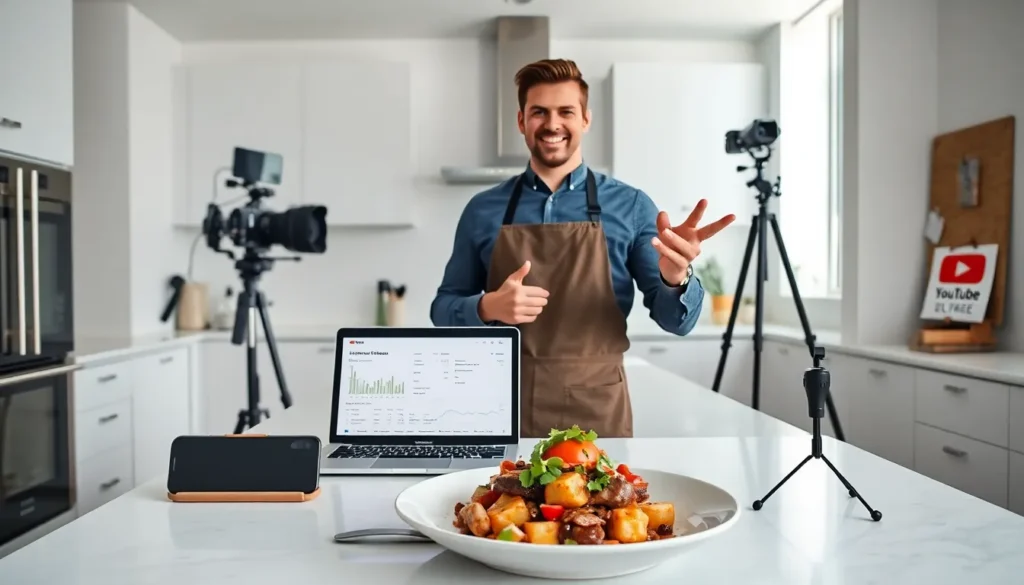
Visual quality matters in food content. Proper lighting makes dishes look appetizing. Natural light or affordable softbox setups can dramatically improve video quality. Clean backgrounds, steady shots, and close-ups of key cooking moments keep viewers engaged.
Audio often gets overlooked. Clear voiceover or on-camera speaking, combined with satisfying cooking sounds (sizzling, chopping, plating), creates an immersive experience. Poor audio kills retention faster than mediocre video.
Effective cooking channel strategies prioritize viewer value. Each video should teach something useful, entertain, or solve a problem. The best cooking content does all three. Viewers stay when they learn new techniques, laugh at the creator’s commentary, and walk away ready to cook.
Storytelling elevates food content. Share why a recipe matters, include personal anecdotes, or explain the cultural background of a dish. These elements create emotional connection beyond the ingredients list.
Pacing keeps attention. Long, slow segments lose viewers. Quick cuts, engaging b-roll, and dynamic editing maintain energy. But don’t sacrifice clarity for speed, viewers need to follow along.
Thumbnails and titles deserve serious attention. They determine whether anyone clicks at all. High-contrast images of finished dishes, expressive faces, and clear text work well. Titles should promise specific value: “Crispy Chicken Thighs in 20 Minutes” beats “My Chicken Recipe.”
Optimize Your Videos for Search and Discovery
Great content means nothing if no one finds it. Search optimization connects cooking channels with hungry audiences actively looking for recipes and techniques.
Keyword research reveals what viewers actually search. Tools like TubeBuddy, VidIQ, or even YouTube’s search suggestions show popular queries. Building content around proven search terms increases discoverability.
Titles should include primary keywords near the beginning. “Easy Homemade Pizza Dough” performs better than “How I Make My Favorite Pizza Dough at Home.” Be specific and front-load the value.
Descriptions need strategic keyword placement. Write detailed descriptions (150-300 words) that naturally incorporate relevant terms. Include timestamps, ingredient lists, and links to related content. YouTube reads this text to understand and categorize videos.
Tags remain useful for cooking channel strategies, though less weighted than before. Include exact keyword matches, variations, and related terms. Think about how different viewers might search for the same content.
Closed captions improve accessibility and SEO. YouTube indexes caption text, so accurate captions add searchable content to every video. Auto-generated captions often contain errors, manual review helps.
Watch time signals quality to the algorithm. Videos that keep viewers watching get promoted more. Strong hooks in the first 30 seconds, mid-roll engagement techniques, and satisfying conclusions all boost retention metrics.
Consistent branding across titles, thumbnails, and channel art helps with recognition. When viewers see a familiar style in their feed, they’re more likely to click.
Build a Consistent Posting Schedule
Consistency builds audience trust and algorithmic favor. Both viewers and platforms reward channels that show up regularly.
Choose a realistic schedule. Posting twice weekly beats daily uploads that burn out after a month. Quality always trumps quantity. One excellent video per week outperforms three mediocre ones.
Cooking channel strategies should account for production realities. Recipe development, shopping, filming, and editing take time. Batch filming, recording multiple videos in single sessions, helps maintain consistency without constant filming.
Set audience expectations. When viewers know new content drops every Tuesday and Friday, they return habitually. Announce schedules in videos and channel descriptions.
Use content calendars to plan ahead. Map out seasonal content (holiday recipes, summer grilling), trending topics, and evergreen videos. Planning prevents last-minute scrambles and ensures content variety.
Analyze performance data to refine timing. YouTube Analytics shows when subscribers are most active. Publishing during peak hours increases initial engagement, which signals the algorithm to promote content further.
Don’t disappear. Long gaps between uploads hurt momentum. Even during busy periods, community posts, shorts, or behind-the-scenes content keeps the channel active.
Engage With Your Community and Collaborate
Audience connection transforms casual viewers into loyal fans. Cooking channel strategies that prioritize community see higher engagement and better retention.
Respond to comments genuinely. Even brief replies show viewers their input matters. Ask follow-up questions, thank people for feedback, and address recipe questions. This interaction builds relationships and encourages more comments, a key engagement metric.
Use community posts to stay connected between uploads. Share polls asking what recipes viewers want next, post cooking tips, or show behind-the-scenes moments. These interactions keep channels visible in subscriber feeds.
Collaborations expose channels to new audiences. Partner with creators in complementary niches, a baking channel might collaborate with a coffee content creator. Guest appearances, recipe challenges, or joint videos introduce each channel’s audience to the other.
Live streams create real-time connection. Cooking live, answering questions, or hosting Q&A sessions deepens viewer relationships. The unpolished format often feels more authentic than produced videos.
Cross-platform presence extends reach. Share recipe clips on Instagram Reels, TikTok, and Facebook. Different platforms attract different demographics. Short-form content can drive traffic to full YouTube videos.
Build an email list for direct communication. Social platforms change algorithms constantly, email provides a stable connection with the most engaged fans.