
Cooking channel tips can transform an average food video into content that viewers actually want to watch. The difference between a channel that grows and one that stagnates often comes down to a handful of practical decisions. Great recipes matter, but presentation, planning, and audience connection matter just as much. This guide covers the essential strategies that successful cooking channels use to stand out. From content planning to filming techniques, these cooking channel tips will help creators produce better videos and build a loyal following.
Table of Contents
ToggleKey Takeaways
- Balance trending recipes with evergreen content to attract new viewers while maintaining long-term traffic.
- Batch filming multiple videos in one session saves time and ensures visual consistency across your cooking channel.
- Invest in good lighting and a lavalier microphone before upgrading your camera—these have the biggest impact on video quality.
- Hook viewers in the first 10 seconds by showing the finished dish before explaining how to make it.
- Build audience connection through authentic personality, consistent posting schedules, and responding to comments.
- Extend your reach by repurposing cooking channel content into short-form clips for TikTok, Instagram Reels, and Pinterest.
Planning Your Cooking Content
Successful cooking channels start with solid planning. Random uploads without a clear direction rarely build an audience. Creators should develop a content calendar that balances trending recipes with evergreen content.
Trending recipes capture immediate interest. A viral TikTok dish or seasonal holiday recipe can bring new viewers to a channel quickly. But, evergreen content, like basic knife skills or classic comfort food recipes, continues to attract views months or years after posting.
Cooking channel tips from experienced creators often emphasize batch filming. Recording multiple videos in a single session saves time and maintains visual consistency. A creator might film three soup recipes on one day, using the same kitchen setup and lighting conditions.
Research plays a key role in planning. Tools like Google Trends and YouTube’s search suggest feature reveal what people are actually searching for. A channel focused on weeknight dinners might discover that “30-minute meals” gets far more searches than “quick recipes.”
Scripting varies by creator style. Some prefer detailed shot-by-shot outlines. Others work from loose bullet points. Either approach works, but having some structure prevents rambling and keeps videos focused. The goal is to know the key teaching moments before hitting record.
Seasonal planning also helps. Preparing Thanksgiving content in October ensures it’s ready when viewers start searching. This forward-thinking approach separates growing channels from stagnant ones.
Essential Equipment and Setup
Good equipment doesn’t require a massive budget. Many successful cooking channels started with a smartphone and natural light. But, certain investments make a noticeable difference in video quality.
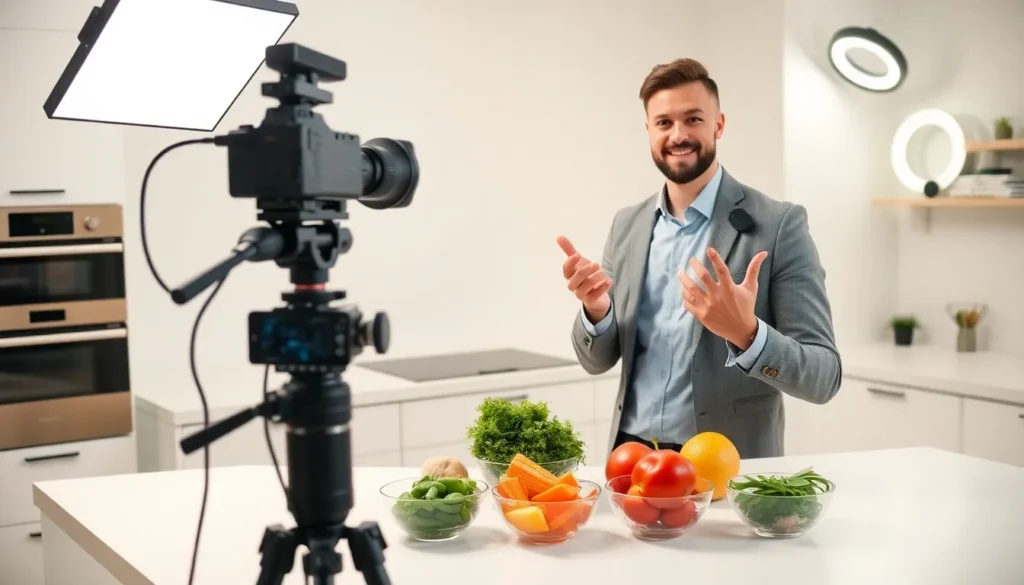
Lighting matters more than camera quality in most cases. A ring light or two softbox lights eliminate harsh shadows and make food look appetizing. Natural window light works well but limits filming to certain hours. Artificial lighting provides consistency regardless of weather or time of day.
Audio quality separates amateur content from professional-looking videos. A clip-on lavalier microphone costs under $30 and dramatically improves voice clarity. Kitchen environments create background noise, running refrigerators, ventilation fans, street sounds. A dedicated microphone helps the creator’s voice cut through.
Camera placement deserves careful thought. The overhead shot has become standard for cooking content because it shows the cooking surface clearly. A tripod with an adjustable arm or a ceiling-mounted rig creates this angle. Side angles add variety and show techniques like sautéing or flipping.
These cooking channel tips extend to the kitchen setup itself. A clean, uncluttered background keeps viewers focused on the food. Some creators use a dedicated filming corner with consistent props and backgrounds. Others prefer a minimalist approach with plain surfaces.
Prep work before filming speeds up the process significantly. Mise en place, having all ingredients measured and ready, isn’t just a cooking principle. It’s a filming principle. Viewers don’t want to watch someone search through cabinets or measure flour.
Filming Techniques for Better Videos
Filming technique turns good recipes into watchable content. The best cooking channel tips focus on showing, not just telling.
Movement adds visual interest. A slow pan across finished dishes, a close-up zoom on sizzling garlic, or a pull-back to reveal the full plate, these shots keep eyes engaged. Static cameras work for instructional content, but dynamic shots create emotional connection with food.
Pacing determines whether viewers stay or click away. The first 10 seconds must hook attention. Starting with the finished dish, then cutting to “here’s how we make it” has become a popular formula for good reason. It answers the viewer’s question immediately: “Is this worth my time?”
B-roll footage elevates production value. Shots of ingredients, cooking processes, and final plating break up talking-head segments. Capturing these details during cooking takes minimal extra effort but adds significant polish to the final edit.
Cooking channel tips often mention the importance of multiple takes. A technique that looks clumsy on the first attempt might look smooth on the third. Filming extra footage of key moments provides options during editing.
Color grading in post-production makes food look more appealing. Increasing warmth slightly, boosting saturation on reds and greens, and adding subtle contrast can transform flat footage into mouth-watering visuals. Free editing software like DaVinci Resolve offers these tools.
Sound design matters too. The sizzle of oil, the chop of a knife, the bubbling of a sauce, these sounds trigger sensory responses in viewers. Capturing clean audio of cooking sounds and layering them into the edit creates an immersive experience.
Engaging Your Audience Effectively
Audience engagement determines long-term channel growth. Views matter, but returning viewers and community members sustain a channel.
Personality creates connection. Viewers follow creators they like, not just recipes they want to make. Sharing genuine reactions to tastes, admitting mistakes, and showing real enthusiasm builds trust. Scripted perfection feels cold. Authentic moments feel human.
Cooking channel tips from top creators emphasize consistency. Posting on a regular schedule trains the algorithm and viewer expectations. Whether it’s twice weekly or every Sunday, predictability builds habits.
Calls to action work when they feel natural. Asking viewers to comment with their favorite ingredient or share their own cooking attempts creates conversation. Generic “like and subscribe” requests blend into background noise. Specific questions generate responses.
Responding to comments builds community. When a creator replies to questions or thanks viewers for trying a recipe, it signals that real interaction exists. This personal touch turns passive viewers into active fans.
Cross-platform presence extends reach. A YouTube cooking channel can share clips on Instagram Reels, TikTok, and Pinterest. Each platform has different audiences and content preferences. Short-form clips drive traffic to longer videos.
Collaborations introduce channels to new audiences. Partnering with another food creator, even through a simple recipe exchange or shoutout, exposes both channels to each other’s viewers. These cooking channel tips around collaboration often produce the fastest growth spurts.