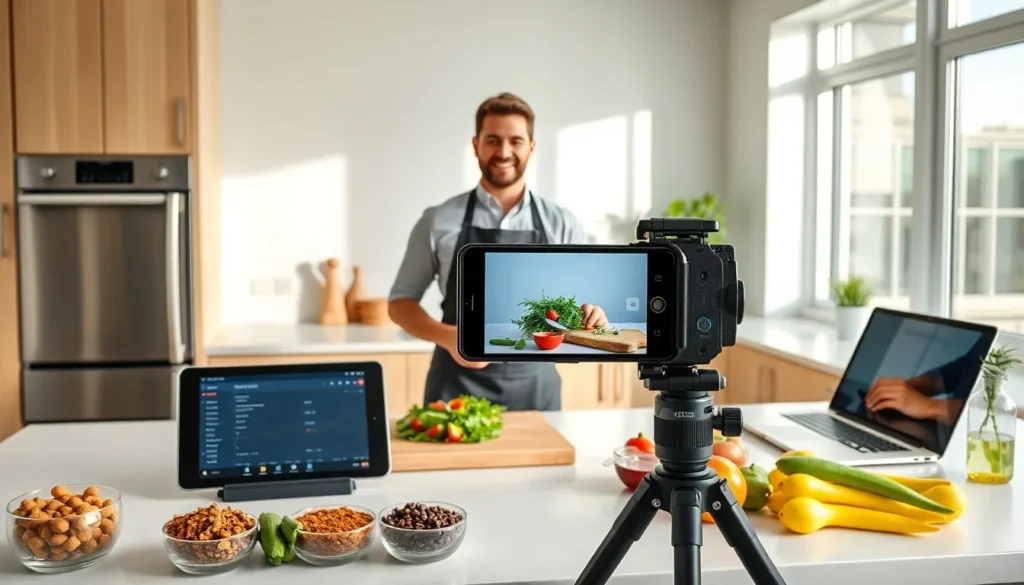

Cooking channels trends 2026 will reshape how audiences discover, watch, and interact with food content. The culinary content space is evolving fast. AI tools, short videos, and live streams are changing viewer expectations. Plant-based recipes and global flavors are gaining momentum. This article breaks down the key trends that will define cooking channels in 2026. Whether viewers prefer quick tutorials or deep-dive culinary journeys, these shifts will influence what appears on screens everywhere.
Table of Contents
ToggleKey Takeaways
- Cooking channels trends 2026 will prioritize AI-powered personalization, offering recipe recommendations based on viewer preferences, dietary needs, and watch history.
- Short-form video content under 60 seconds will dominate platforms like TikTok and YouTube Shorts, requiring creators to hook viewers within the first two seconds.
- Interactive experiences such as live cook-alongs and virtual cooking classes will help channels build loyal communities and stand out from competitors.
- Sustainability-focused content, including plant-based recipes, zero-waste cooking tips, and seasonal ingredients, will attract eco-conscious viewers and brand partnerships.
- Global cuisines from Africa, Southeast Asia, the Middle East, and Latin America will gain prominence as audiences seek authentic, diverse culinary experiences.
- Successful cooking channels in 2026 will balance quick, snackable clips with deeper long-form content to reach both casual scrollers and dedicated food enthusiasts.
The Rise of AI-Powered Recipe Recommendations
AI is transforming how cooking channels deliver content to viewers. In 2026, expect more platforms to use machine learning algorithms that suggest recipes based on individual preferences, dietary restrictions, and past viewing habits.
Cooking channels trends 2026 point toward hyper-personalization. A viewer who watches several gluten-free baking videos might receive recommendations for celiac-friendly dessert recipes. Someone interested in quick weeknight dinners will see more 30-minute meal tutorials.
Some channels are already experimenting with AI-generated shopping lists. Viewers watch a recipe video, and the platform creates a grocery list they can send directly to delivery apps. This integration saves time and keeps audiences engaged longer.
AI chatbots are another growing feature. Viewers can ask questions about substitutions, cooking times, or technique adjustments. The bot responds instantly, creating a more interactive experience than traditional video formats allow.
Channels that adopt these AI features early will likely see higher retention rates. Viewers appreciate content that feels curated for them. The cooking channels trends 2026 suggest personalization will become a standard expectation, not a bonus feature.
Short-Form Video Dominates Cooking Content
TikTok, YouTube Shorts, and Instagram Reels have changed viewer behavior. People want quick, punchy content they can consume in under 60 seconds. This shift is reshaping cooking channels trends 2026 in significant ways.
Short-form cooking videos focus on one dish, one technique, or one tip. There’s no lengthy introduction or backstory. The recipe starts immediately. This format works well for mobile viewers scrolling during commutes or lunch breaks.
Many cooking creators now produce both long and short content. A 15-minute YouTube tutorial might become three separate 30-second clips for TikTok. This repurposing strategy maximizes reach across platforms.
The challenge with short-form content is standing out. With millions of cooking videos uploaded daily, creators must hook viewers in the first two seconds. Bold visuals, satisfying audio (think sizzling pans and chopping sounds), and unexpected ingredient combinations help videos perform better.
Cooking channels trends 2026 indicate that vertical video will continue growing. Channels that resist short-form content may lose younger audiences who expect bite-sized entertainment. The most successful creators will balance quick clips with deeper, long-form content for dedicated fans.
Interactive and Live Cooking Experiences
Live streaming has found a permanent home in cooking content. Platforms like YouTube Live, Twitch, and Instagram Live allow creators to cook in real time while chatting with viewers.
Cooking channels trends 2026 show increased demand for interactive experiences. Audiences want more than passive viewing. They want to participate. Live streams let viewers ask questions, request modifications, and vote on ingredient choices.
Some channels are experimenting with cook-along events. Viewers purchase ingredient kits in advance, then follow along with a live broadcast. This format creates community and gives people a reason to tune in at specific times.
Virtual cooking classes represent another growth area. Professional chefs and home cooks alike offer paid workshops through platforms like Patreon or dedicated apps. These classes provide more depth than free content and build stronger connections between creators and audiences.
The cooking channels trends 2026 suggest that interactivity will separate successful channels from struggling ones. Viewers have endless content options. Channels that make audiences feel like participants, not just spectators, will earn loyalty.
Sustainability and Plant-Based Focus
Environmental concerns are influencing cooking content. More viewers want recipes that reduce food waste, use seasonal ingredients, and minimize carbon footprints. Cooking channels trends 2026 reflect this shift toward sustainability.
Plant-based cooking continues gaining popularity. This doesn’t mean every channel will go fully vegan. But, expect more videos featuring vegetables as main dishes rather than side items. Flexitarian content, meals that occasionally include meat but emphasize plants, appeals to a broad audience.
Zero-waste cooking is another growing theme. Creators show how to use vegetable scraps for stock, repurpose leftovers into new dishes, and store food to extend freshness. These practical tips resonate with budget-conscious viewers too.
Cooking channels trends 2026 also highlight local and seasonal eating. Some creators partner with regional farms or highlight ingredients available only during certain months. This approach educates viewers about food systems while offering fresh recipe ideas.
Channels focused on sustainability often attract sponsorships from eco-friendly brands. This alignment creates revenue opportunities while reinforcing the channel’s values. Audiences appreciate authenticity, so partnerships must feel genuine to succeed.
Global Cuisines and Fusion Cooking Take Center Stage
Audiences are hungry for culinary diversity. Cooking channels trends 2026 show growing interest in cuisines from Africa, Southeast Asia, the Middle East, and Latin America. Viewers want to explore flavors beyond the standard American or European fare.
Creators from underrepresented culinary backgrounds are gaining larger platforms. A Nigerian chef teaching jollof rice or a Filipino cook demonstrating adobo variations attracts audiences seeking authentic instruction. These creators bring cultural context that makes dishes more meaningful.
Fusion cooking is also trending. Chefs combine techniques and ingredients from multiple traditions, Korean tacos, Indian-inspired pizza, Japanese-Mexican bowls. This creativity appeals to adventurous eaters and generates shareable content.
Cooking channels trends 2026 suggest that ingredient education will accompany global recipes. Viewers want to know where to find specialty items, what substitutes work, and why certain techniques matter. Channels providing this context build trust and authority.
The globalization of cooking content benefits everyone. Viewers discover new favorite dishes. Creators from diverse backgrounds find audiences. And the overall food conversation becomes richer and more representative of how people actually eat around the world.