
Food photography trends 2026 are set to reshape how brands, creators, and restaurants present their dishes. The industry continues to shift away from overly polished images toward content that feels genuine and engaging. Technology plays a bigger role than ever, while audiences demand more authentic visual stories.
This year brings exciting changes. AI tools are becoming standard in editing workflows. Sustainability messaging now influences styling choices. Short-form video content dominates social platforms. These food photography trends 2026 reflect broader cultural shifts in how people consume and share content about food.
Whether someone shoots for a major brand or builds a personal portfolio, understanding these trends matters. The following sections break down the key directions shaping food photography trends 2026 and offer practical insights for staying ahead.
Table of Contents
ToggleKey Takeaways
- Food photography trends 2026 prioritize authenticity over perfection, with natural lighting and “imperfect” styling that builds audience trust.
- AI-powered editing tools are now standard in food photography workflows, handling tasks like background swaps, smart cropping, and color grading in minutes.
- Sustainability influences every aspect of shoots—from reusable props and natural textures to storytelling that highlights local sourcing and zero-waste practices.
- Motion content is essential, with short-form videos, cinemagraphs, and ASMR-style audio becoming must-have deliverables for social platforms.
- Bold colors and experimental compositions are replacing muted minimalism, helping food imagery stand out in crowded social feeds.
- Photographers who combine technical skills with distinctive creative vision will find the most success in 2026’s competitive landscape.
AI-Enhanced Editing and Styling Tools
AI-powered tools have transformed food photography workflows in 2026. Photographers now use intelligent software to adjust lighting, remove unwanted elements, and enhance colors in seconds. What once required hours of manual editing now takes minutes.
Adobe’s latest AI features let users swap backgrounds with a single click. Standalone apps like Photoroom and Luminar Neo offer food-specific presets that understand dish composition. These tools analyze images and suggest improvements based on successful food photography patterns.
AI styling assistants represent another major development. Before a photoshoot begins, software can preview how different props, plates, and arrangements will look. This saves time and reduces wasted setups. Some platforms even generate mood boards automatically based on a brand’s existing visual identity.
Food photography trends 2026 show AI handling more creative decisions. Smart cropping tools identify the most visually appealing focal points. Color grading algorithms match specific aesthetic styles from reference images. The technology doesn’t replace human creativity, it amplifies it.
Professional photographers report mixed feelings about these changes. Many embrace AI for tedious tasks like batch editing and file organization. Others worry about homogenization as everyone uses similar tools. The key lies in using AI as a starting point, then adding personal touches that make work distinctive.
Raw and Unfiltered Authenticity
Audiences in 2026 crave authenticity over perfection. The glossy, highly staged food images that dominated Instagram a few years ago now feel dated. Viewers respond better to photos that look achievable and real.
This shift affects styling choices significantly. Crumbs on the table, a bite taken from a burger, steam rising from a fresh dish, these “imperfections” now signal quality. They tell viewers the food is real and recently prepared. Food photography trends 2026 favor this lived-in aesthetic.
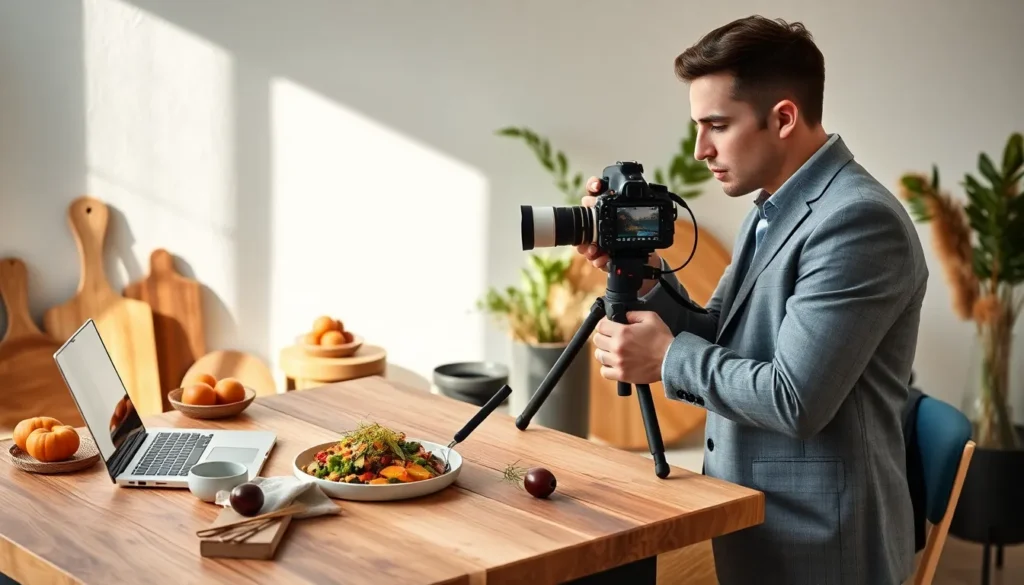
Natural lighting has become essential. Harsh studio setups are giving way to soft window light and outdoor shoots. Shadows aren’t eliminated, they’re embraced as part of the composition. The result feels more like a moment captured than a scene constructed.
Brands are adjusting their visual strategies accordingly. Fast-casual restaurants now show actual kitchen environments rather than sterile studio settings. Recipe content creators film in their real homes, complete with slightly cluttered countertops. This approach builds trust with audiences who’ve grown skeptical of overly produced content.
Food photography trends 2026 reflect a broader cultural desire for honesty. People want to see what food actually looks like before they order or cook it. Photographers who master this balance between professional quality and authentic feel will find plenty of demand for their work.
Sustainable and Eco-Conscious Storytelling
Sustainability has become central to food photography trends 2026. Clients increasingly request imagery that communicates environmental responsibility. This affects everything from prop selection to messaging strategy.
Photographers now favor reusable and natural props. Ceramic plates replace disposable options. Linen napkins appear instead of paper products. Wooden boards and vintage items add character while signaling eco-awareness. Plastic props have largely disappeared from professional shoots.
Background choices matter too. Reclaimed wood surfaces, natural stone, and organic textures dominate current portfolios. These materials photograph beautifully while reinforcing sustainability themes. Many photographers have built entire prop collections around reusable, environmentally friendly items.
Storytelling extends beyond individual images. Photo series now document ingredient origins, local sourcing, and zero-waste cooking practices. Farm-to-table narratives show entire journeys from field to plate. This content resonates strongly with environmentally conscious consumers.
Food photography trends 2026 also address food waste directly. Photographers work more efficiently to minimize unused ingredients during shoots. Some studios compost scraps or donate excess food to local organizations. These practices become part of the brand story that clients want to share.
Visual cues communicate sustainability without explicit text. Images featuring whole ingredients, minimal packaging, and plant-forward dishes signal environmental values. Photographers who understand these visual codes create content that connects with modern audiences.
Motion and Video Integration
Static images alone no longer satisfy content demands. Food photography trends 2026 show strong movement toward motion content. Short videos, cinemagraphs, and animated elements have become essential deliverables.
TikTok and Instagram Reels drive this shift. Brands need vertical video content optimized for these platforms. A pouring sauce, sizzling pan, or cracking crust captures attention in ways still images cannot. The movement creates immediate visual interest that stops scrolling viewers.
Cinemagraphs occupy a middle ground between photo and video. These looping images feature subtle motion, steam rising, liquid swirling, flames flickering, while most elements remain still. They work effectively in digital advertising and website backgrounds where full video feels excessive.
Food photography trends 2026 require photographers to expand their skill sets. Many have invested in video equipment and learned basic motion graphics. Those who haven’t risk losing clients to competitors who offer complete content packages.
Behind-the-scenes content has gained popularity too. Viewers enjoy watching dishes come together. Process videos showing cooking techniques and plating methods perform well across platforms. This content humanizes brands and builds connection with audiences.
Sound design adds another dimension. Sizzling, crunching, and pouring sounds trigger visceral responses. ASMR-style food content continues growing. Photographers increasingly consider audio as part of their creative vision.
Bold Colors and Experimental Compositions
Visual trends in 2026 embrace boldness. Muted, minimalist aesthetics are giving way to vibrant colors and unconventional arrangements. Food photography trends 2026 reward photographers who take creative risks.
Color palettes have intensified dramatically. Bright backgrounds, electric blue, hot pink, vivid orange, create striking contrast with food subjects. Monochromatic schemes where props match dish colors produce cohesive, eye-catching images. These bold choices help content stand out in crowded social feeds.
Composition rules are being broken deliberately. Overhead shots dominated for years, but 2026 sees more varied angles. Extreme close-ups showing texture details have become popular. Unusual perspectives, shooting through glass, capturing reflections, add visual interest that feels fresh.
Negative space usage has evolved. Some photographers embrace maximalist styling with layered elements filling the frame. Others use dramatic empty space to create tension and focus. Food photography trends 2026 allow room for both approaches.
Typography and graphic elements appear more frequently in food imagery. Text overlays, illustrated additions, and mixed-media compositions blur lines between photography and graphic design. This hybrid approach works particularly well for social media content.
Experimentation extends to technical choices. Intentional motion blur, unconventional focus points, and dramatic shadows create mood and personality. Photographers who develop distinctive visual signatures find it easier to build recognizable brands.