
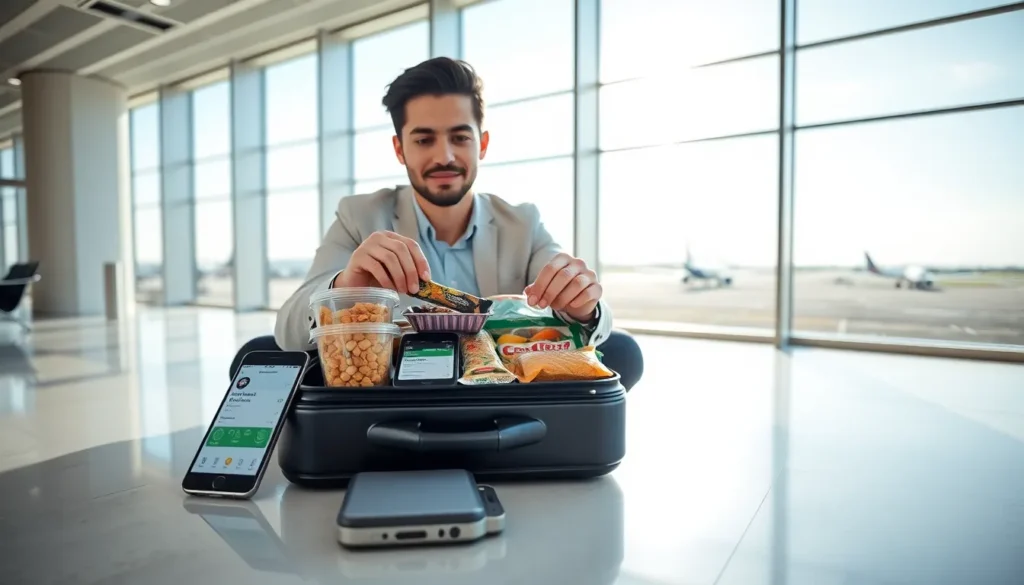

Travel food for beginners doesn’t have to be stressful. Many first-time travelers worry about what to eat, where to find good meals, and how to stay healthy away from home. The good news? A little preparation goes a long way.
Whether someone is planning a road trip, flying across the country, or heading overseas, food choices can make or break the experience. The right travel food keeps energy levels steady, saves money, and prevents those desperate airport terminal purchases that cost three times what they should.
This guide covers everything beginners need to know about eating well on the go. From packing smart snacks to finding great local restaurants, these practical tips help travelers enjoy their meals without the guesswork.
Table of Contents
ToggleKey Takeaways
- Planning travel food in advance prevents overspending, poor eating decisions, and energy crashes during your trip.
- Pack portable, non-perishable snacks like nuts, dried fruit, protein bars, and jerky to stay fueled on the go.
- Research restaurants before arriving using apps and local recommendations to find quality meals at fair prices.
- Travelers with dietary restrictions should carry translated allergy cards and pack backup snacks for emergencies.
- Balancing packed snacks with local dining experiences helps beginners enjoy travel food while controlling nutrition and budget.
Why Planning Your Travel Food Matters
Planning travel food ahead of time prevents several common problems. Hungry travelers make poor decisions. They overspend at convenience stores, settle for fast food, or skip meals entirely. None of these options support a great trip.
Energy management is the first reason to plan. Long flights, time zone changes, and packed itineraries demand consistent fuel. Blood sugar crashes lead to irritability, fatigue, and brain fog, not exactly ideal when trying to enjoy a new destination.
Money is another factor. Airport food costs 30-50% more than regular prices. A simple sandwich might run $15 at a terminal shop. That same money buys a much better meal elsewhere. Travelers who pack snacks and research affordable local options stretch their budgets significantly.
Health concerns also matter. Travel disrupts normal routines. Digestive issues, dehydration, and poor nutrition are common complaints. Having reliable travel food options helps maintain some consistency even when everything else changes.
For beginners, travel food planning reduces anxiety too. Knowing where the next meal comes from eliminates one more variable in an already unfamiliar situation. That mental peace is worth the small effort of advance preparation.
Best Foods to Pack for Any Trip
The best travel food shares a few characteristics: it’s portable, doesn’t require refrigeration, and provides lasting energy. Here are proven options that work for beginners.
Nuts and trail mix top the list. Almonds, cashews, and walnuts offer protein and healthy fats. They’re lightweight, don’t crush easily, and satisfy hunger quickly. Pre-portioned bags prevent overeating.
Dried fruit provides natural sugars without the mess of fresh produce. Apricots, mangoes, and apple chips travel well in any bag. They pair nicely with nuts for a balanced snack.
Whole grain crackers and rice cakes give travelers a satisfying crunch. They work alone or with single-serve nut butter packets. Look for options with minimal added sugar.
Protein bars deserve a spot in every travel bag. Choose bars with at least 10 grams of protein and recognizable ingredients. They serve as emergency meal replacements during delays or long layovers.
Jerky offers serious protein in a compact package. Beef, turkey, and plant-based versions all work well. The salt content helps with hydration when paired with plenty of water.
Fresh fruit works for shorter trips. Apples, oranges, and bananas survive carry-on bags without trouble. Just eat them within the first day or two.
For international travelers, check customs regulations before packing. Many countries restrict fresh produce and meat products at borders. Sealed, commercially packaged items usually pass inspection without issues.
Smart Tips for Eating Out While Traveling
Eating out is part of the travel experience. Local restaurants offer cultural insight that packaged snacks simply can’t provide. Smart strategies help beginners find great meals without wasting time or money on disappointing options.
Research before arriving. Apps like Yelp, Google Maps, and TripAdvisor show ratings and reviews for nearby restaurants. Filtering by price range and cuisine type narrows choices quickly. Save promising spots to a list before the trip starts.
Ask locals for recommendations. Hotel staff, tour guides, and even rideshare drivers know where residents actually eat. These suggestions often beat tourist-focused spots that prioritize location over quality.
Look for busy restaurants. High turnover indicates fresh food and satisfied customers. Empty dining rooms at peak hours raise red flags. This rule applies almost everywhere.
Eat where locals eat. Restaurants filled with families and workers typically offer better value than those catering exclusively to tourists. Walk a few blocks away from major attractions to find these gems.
Learn basic menu terms. Knowing words like “grilled,” “fried,” “vegetarian,” and “spicy” in the local language helps travelers order confidently. Translation apps handle most situations, but a few key phrases go far.
Start with small portions. Street food and appetizers let travelers sample dishes without committing to full meals. This approach allows more variety and reduces waste if something doesn’t appeal.
Travel food for beginners includes both packed snacks and restaurant meals. Balancing both keeps things interesting while maintaining control over nutrition and spending.
How to Handle Dietary Restrictions on the Road
Dietary restrictions add an extra layer of planning, but they shouldn’t prevent anyone from enjoying travel food. Preparation and communication solve most challenges.
Document restrictions clearly. Create a card explaining allergies or dietary needs in the local language. Apps like Google Translate help, but a professionally translated card works better for serious allergies. Show this card to servers before ordering.
Research cuisine compatibility. Some food cultures align naturally with certain diets. Mediterranean regions offer abundant vegetarian options. Japanese cuisine works well for gluten-free travelers since rice is a staple. Knowing these patterns helps with destination planning.
Contact restaurants ahead. Call or email restaurants before arriving to confirm they can accommodate specific needs. This prevents awkward situations and wasted trips. Many establishments appreciate advance notice and prepare special options.
Pack essential backup foods. Travelers with severe allergies should bring enough safe snacks to survive if local options fall through. Protein bars, nuts, and dried fruit provide calories when suitable meals aren’t available.
Book accommodations with kitchens. Vacation rentals and apart-hotels give travelers cooking facilities. Buying groceries and preparing some meals guarantees safe food options. This strategy also saves money on longer trips.
Join online communities. Facebook groups and forums connect travelers with similar dietary needs. Members share restaurant recommendations, packing tips, and real-world experiences. These communities offer current, tested advice that general guides can’t match.
Travel food for beginners with dietary restrictions requires more effort upfront. That investment pays off in stress-free meals and enjoyable trips.