
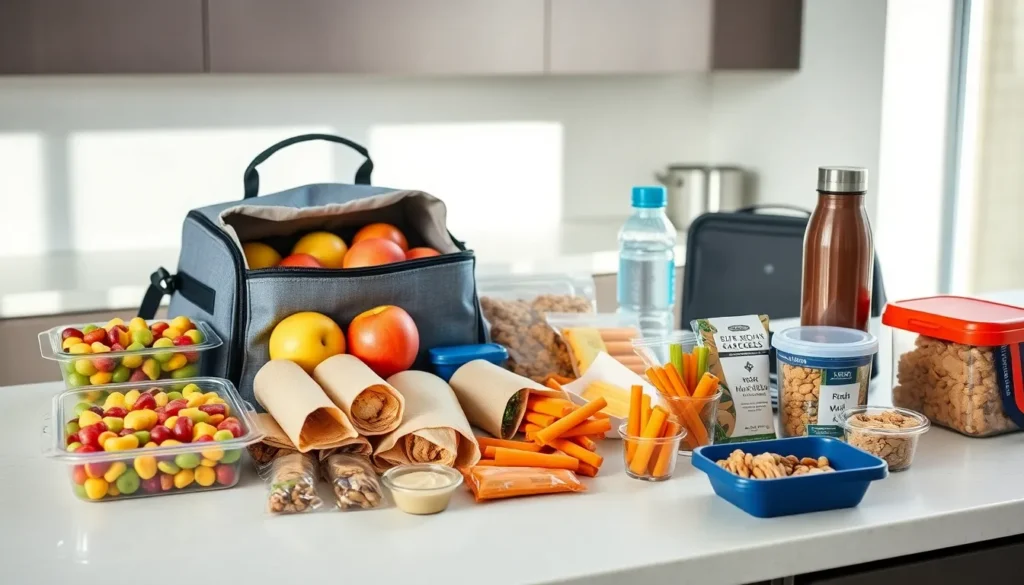

Great travel food ideas can make or break a trip. Nobody wants to rely on overpriced airport snacks or gas station hot dogs when hunger strikes mid-journey. The right foods keep travelers energized, satisfied, and ready for adventure, without creating a mess in the car or triggering awkward stares on a plane.
Whether someone is planning a cross-country road trip, catching a red-eye flight, or embarking on a weekend getaway, smart food choices matter. This guide covers the best travel food ideas for every type of journey, from quick snacks to full meals that pack well and taste even better.
Table of Contents
ToggleKey Takeaways
- The best travel food ideas are non-perishable, easy to eat, nutrient-dense, and have minimal odor to keep you energized without causing inconvenience.
- Road trips allow more flexibility—pack trail mix, fresh fruit, cheese sticks, and sandwiches in a cooler for a satisfying on-the-go experience.
- For air travel, choose solid foods like wraps, pasta salad, and nut butter packets since liquids over 3.4 ounces cannot pass through U.S. airport security.
- Balance protein, complex carbs, and healthy fats in your travel food ideas to maintain steady energy levels and prevent mood crashes during long journeys.
- Use insulated bags with ice packs, leak-proof containers, and pre-portioned snacks to keep food fresh, organized, and easy to access throughout your trip.
What to Look for in Travel-Friendly Foods
Not all foods survive a journey well. The best travel food ideas share a few key traits that make them ideal companions on the road or in the air.
Non-perishable or slow to spoil. Foods that don’t require refrigeration work best for travel. Items like nuts, dried fruits, and whole grain crackers can sit in a bag for hours without issues. If perishable items are necessary, travelers should use insulated bags with ice packs.
Easy to eat. The ideal travel snack doesn’t require utensils, plates, or a cutting board. Finger foods, wraps, and pre-portioned items reduce mess and hassle. Think sandwiches, not soup.
Nutrient-dense. Travel can be tiring. Foods high in protein, fiber, and healthy fats provide sustained energy. Empty calories from sugary snacks lead to crashes and cravings later.
Minimal odor. This matters especially on planes and buses. Strong-smelling foods, like tuna salad or hard-boiled eggs, may offend fellow passengers. Neutral-smelling options keep everyone happy.
Compact and lightweight. Space is often limited. Foods that pack flat or fit into small containers work best for carry-ons and daypacks.
Best Snacks for Road Trips and Long Drives
Road trips offer more flexibility than air travel. Travelers can pack a cooler, make stops, and enjoy a wider variety of foods. Still, the best travel food ideas for driving prioritize convenience and minimal distraction.
Trail mix and mixed nuts. These classics deliver protein and healthy fats in grab-and-go portions. Pre-portion them into small bags to avoid overeating.
Fresh fruit. Apples, grapes, and bananas travel well and don’t require refrigeration for short trips. They provide natural sugars and hydration.
Cheese and crackers. Pack cheese sticks or pre-sliced cheese with whole grain crackers. They satisfy hunger without heavy prep.
Granola bars and protein bars. Not all bars are equal, look for options with low added sugar and high protein content. They’re perfect for quick bites between stops.
Beef jerky or turkey jerky. High in protein and shelf-stable, jerky makes an excellent savory option for meat eaters.
Veggie sticks with hummus. Carrots, celery, and bell peppers paired with individual hummus cups offer a refreshing crunch.
For longer road trips, travelers might pack sandwiches, wraps, or even cold pasta salad in a cooler. These travel food ideas transform a long drive into a mini picnic experience.
Easy Meal Ideas for Air Travel
Air travel presents unique challenges. Security restrictions limit liquids, cabin pressure affects taste buds, and space is tight. Smart travelers plan their travel food ideas accordingly.
Wraps and sandwiches. These pass through security easily and don’t require heating. Turkey and cheese wraps, peanut butter and jelly sandwiches, or veggie wraps all work well. Avoid messy condiments that might leak.
Pasta salad. Cold pasta dishes travel well in sealed containers. They taste good at room temperature and provide filling carbohydrates.
Sushi rolls. For shorter flights, sushi purchased just before boarding offers a light, fresh option. Stick to vegetable or cooked fish varieties for food safety.
Cheese and fruit boxes. Many stores sell pre-packaged snack boxes with cheese, crackers, and dried fruit. They’re portion-controlled and airport-security friendly.
Nut butter packets. Individual packets of almond butter or peanut butter pair well with bread, crackers, or fruit. They provide protein without bulk.
One important note: liquids over 3.4 ounces cannot pass through U.S. airport security. This includes yogurt, soup, and some dips. Travelers should purchase these items after the security checkpoint or choose solid alternatives.
Healthy Options to Keep You Energized on the Go
Travel often disrupts normal eating patterns. Long hours, time zone changes, and limited options can lead to poor food choices. These healthy travel food ideas help maintain energy levels throughout the journey.
Protein-rich options. Hard-boiled eggs (if odor isn’t a concern), Greek yogurt, edamame, and nut butters deliver protein that keeps travelers full longer.
Complex carbohydrates. Whole grain bread, oatmeal cups, and brown rice cakes provide steady energy without blood sugar spikes.
Healthy fats. Avocados, nuts, and seeds support brain function and satiety. Guacamole cups pair nicely with vegetables or chips.
Hydrating foods. Cucumbers, watermelon, and oranges contain high water content. They help combat dehydration during flights or hot car rides.
Green options. Pre-washed salad kits or a simple container of spinach can add nutrients to any travel meal. Pack dressing separately in a small container.
Travelers should aim for balance. A mix of protein, carbs, and fats at each meal or snack prevents energy dips and keeps moods stable during long journeys.
Tips for Packing and Storing Travel Food
Even the best travel food ideas fail without proper packing. A few simple strategies keep food fresh, safe, and accessible.
Use insulated bags. A quality insulated lunch bag with ice packs maintains safe temperatures for perishable items. Freeze water bottles overnight, they’ll keep food cold and provide drinking water as they melt.
Choose leak-proof containers. Glass or BPA-free plastic containers with tight seals prevent spills and keep foods separated. Silicone bags work well for snacks and sandwiches.
Pack in order of consumption. Place items needed first at the top of the bag. This prevents digging through everything to find a mid-morning snack.
Portion everything in advance. Pre-portioned snacks in individual bags or containers control serving sizes and make eating on the go easier.
Bring napkins and wet wipes. Sticky fingers happen. Pack cleanup supplies to handle any mess without searching for a restroom.
Consider TSA rules for flights. Solid foods pass through security without issue. Spreads, dips, and liquids must be under 3.4 ounces or packed in checked luggage.
Label items if needed. For family trips, labeling each person’s snacks prevents arguments and ensures everyone gets their favorites.