
Cooking channels have transformed how people learn recipes, discover cuisines, and enjoy food-related entertainment. Whether viewers tune into cable TV or stream content online, cooking channels offer endless inspiration for home cooks and food enthusiasts alike. These platforms connect audiences with professional chefs, home cooking experts, and culinary personalities from around the globe.
This guide explains what cooking channels are, explores the different types available, and helps viewers find the best options for their interests. From classic television networks to YouTube creators, the world of culinary content has something for everyone.
Table of Contents
ToggleKey Takeaways
- Cooking channels are media platforms dedicated to food content, including recipe tutorials, cooking competitions, and food travel programs across TV and digital platforms.
- These channels serve three main purposes: educating viewers on techniques, entertaining through competitions and travel shows, and inspiring kitchen creativity.
- Popular cooking channels exist on traditional TV networks like Food Network, YouTube creators like Tasty and Joshua Weissman, and streaming services like Netflix.
- Watching cooking channels improves skills, saves money on dining out, reduces stress, and exposes viewers to global cuisines and food cultures.
- To find the best cooking channels for you, consider your skill level, cuisine interests, preferred video format, and the host’s personality style.
- Digital cooking channels offer advantages like free content, flexible viewing schedules, and the ability to pause and cook along with recipes.
Understanding Cooking Channels and Their Purpose
Cooking channels are media platforms dedicated to food-related content. They feature cooking shows, recipe tutorials, food travel programs, and competition series. These channels serve multiple purposes for their audiences.
First, cooking channels educate viewers. They teach cooking techniques, introduce new ingredients, and demonstrate recipes step by step. A beginner can learn basic knife skills, while an experienced cook can master advanced methods like sous vide or pastry work.
Second, cooking channels entertain. Shows like cooking competitions create drama and excitement. Viewers enjoy watching chefs race against the clock or face unusual ingredient challenges. Food travel programs take audiences on virtual journeys to explore different cultures through their cuisines.
Third, cooking channels inspire creativity in the kitchen. Watching a chef prepare a dish often motivates viewers to try new recipes at home. Many people credit cooking channels with expanding their culinary horizons beyond their usual meal rotations.
Cooking channels also build community. Fans discuss episodes, share their own cooking attempts on social media, and connect with others who share their food passions. This sense of connection makes cooking channels more than just passive entertainment, they become part of viewers’ daily lives.
Popular Types of Cooking Channels
Cooking channels exist across multiple platforms. Each type offers distinct advantages and content styles.
Television Networks
Traditional TV networks remain popular destinations for cooking content. The Food Network launched in 1993 and pioneered the dedicated cooking channel format. It features celebrity chefs like Guy Fieri, Bobby Flay, and Ina Garten. Programs range from instructional cooking shows to high-stakes competitions like “Chopped” and “Iron Chef.”
The Cooking Channel, a sister network to Food Network, focuses on more instructional content and international cuisines. PBS also offers cooking programs, including long-running series like “America’s Test Kitchen” that emphasize tested recipes and equipment reviews.
Television cooking channels provide high production value and consistent programming schedules. Viewers know exactly when their favorite shows air, creating appointment viewing habits.
YouTube and Streaming Platforms
Digital platforms have revolutionized cooking channels. YouTube hosts thousands of cooking channels, from professional productions to individual creators filming in home kitchens.
Popular YouTube cooking channels include Tasty, which pioneered the overhead recipe video format. Joshua Weissman offers detailed technique breakdowns with humor. Babish Culinary Universe recreates dishes from movies and TV shows. These creators publish content weekly or even daily, giving viewers constant fresh material.
Streaming services like Netflix and HBO Max produce cooking content too. Shows such as “Chef’s Table” and “The Bear” blend cooking with documentary storytelling or dramatic narratives.
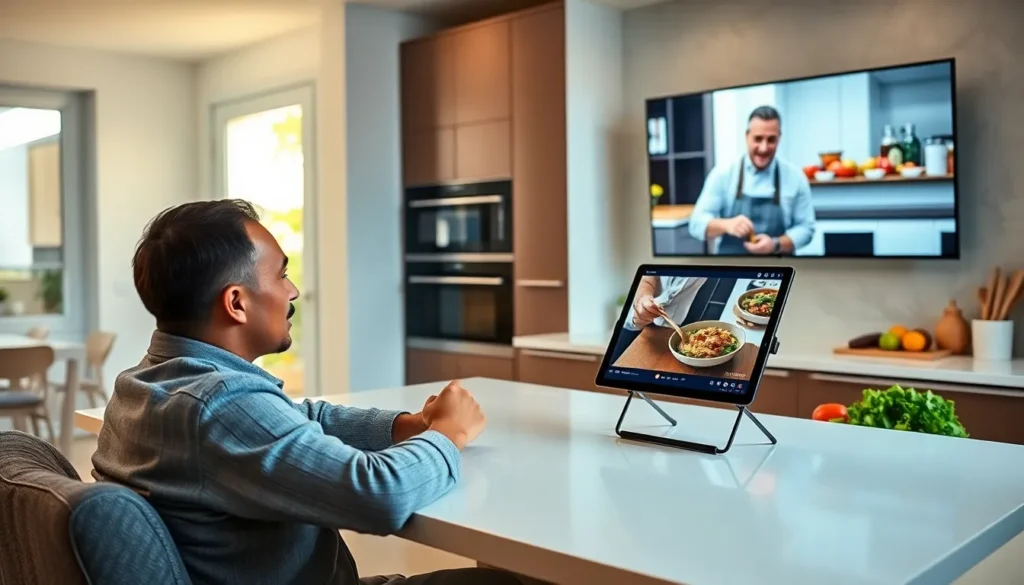
The advantage of digital cooking channels lies in accessibility. Viewers watch on their own schedules, pause to follow along with recipes, and access content from anywhere with an internet connection. Many YouTube cooking channels also offer free content, removing cost barriers for viewers.
Benefits of Watching Cooking Channels
Cooking channels deliver practical and personal benefits to their audiences.
Skill Development: Regular viewers improve their cooking abilities over time. They pick up techniques, learn ingredient pairings, and gain confidence in the kitchen. Studies show that watching instructional cooking content correlates with more home cooking and healthier eating habits.
Cost Savings: Learning to cook at home reduces restaurant spending. Cooking channels teach viewers how to prepare restaurant-quality meals for a fraction of the cost. They also show how to use ingredients efficiently, reducing food waste.
Cultural Education: Cooking channels expose viewers to global cuisines. Someone in Ohio can learn to make authentic Thai curry or Italian pasta from expert instructors. This cultural exposure broadens perspectives and appreciation for food traditions worldwide.
Stress Relief: Many people find cooking channels relaxing. The gentle pace of instructional shows, combined with beautiful food imagery, provides a calming viewing experience. Some viewers watch cooking channels specifically to unwind after busy days.
Family Bonding: Cooking channels often inspire family cooking sessions. Parents and children watch together, then recreate recipes as a shared activity. This creates quality time and teaches younger generations valuable life skills.
Menu Planning: Viewers often use cooking channels for meal inspiration. Watching a few episodes can generate a week’s worth of dinner ideas, solving the daily “what should I make?” dilemma.
How to Find the Best Cooking Channels for You
With so many cooking channels available, finding the right fit requires some consideration.
Identify Your Skill Level: Beginners should start with channels that explain basics clearly. Look for instructional content rather than competition shows. Channels like “Basics with Babish” or “America’s Test Kitchen” break down techniques thoroughly. Advanced cooks might prefer channels featuring complex recipes or professional chef content.
Consider Your Interests: Do you want to learn a specific cuisine? Search for cooking channels specializing in that style. Interested in baking? Dedicated baking channels exist for every skill level. Prefer quick weeknight meals? Channels like Tasty focus on accessible, time-efficient recipes.
Check the Format: Some viewers prefer long-form content with detailed explanations. Others want quick recipe videos under five minutes. YouTube cooking channels especially vary in length and style. Sample a few videos before committing to a channel.
Read Reviews and Recommendations: Food communities on Reddit, Facebook groups, and cooking forums discuss their favorite cooking channels regularly. These real user opinions help identify quality content.
Test Multiple Platforms: Don’t limit yourself to one source. Cable TV cooking channels offer different content than YouTube creators. Streaming services provide yet another style. Many viewers mix sources to get variety in their cooking content.
Follow Your Personality Preferences: Some cooking channel hosts bring high energy and humor. Others maintain calm, methodical approaches. The host’s personality matters, viewers stick with channels featuring hosts they enjoy watching.