
Most restaurant operators would love a problem like this one: a steady stream of guests who arrive hungry, curious and ready to spend. That is daily life for restaurants in Sultanahmet, Istanbul’s historic peninsula, where millions of visitors pass through each year on their way to the Hagia Sophia, the Blue Mosque and Topkapı Palace.
But a captive audience is not the same as a loyal one. Tourists rarely come back twice in a trip, and they leave reviews that decide who eats where tomorrow. The restaurants that do well here have worked out a few things that apply far beyond Istanbul.
Table of Contents
ToggleThe view is part of the product, so price and plan for it
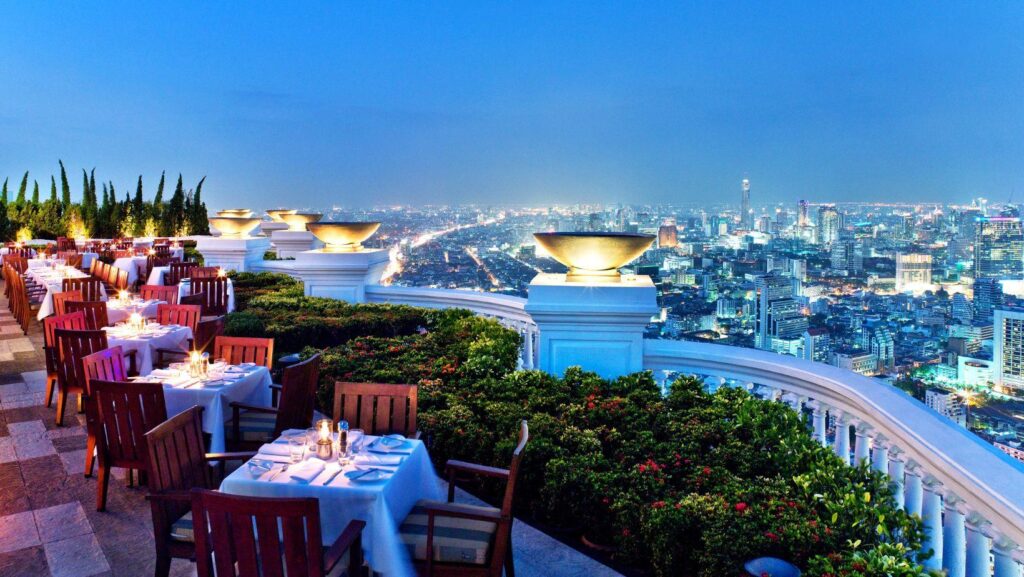
On the rooftops of the Old City, the view is not decoration. It is a large part of why the guest walked in. The smart operators treat it like an ingredient with a cost and a value.
That changes how the floor is planned. Tables at the railing turn more slowly at sunset, so some places run a two-sitting system on busy evenings: an early dinner aimed at families and tour groups, then a longer, slower service once the light goes. Others keep the best tables for reservations only and use the inner section for walk-ins. Both approaches protect the experience that brought people up the stairs in the first place.
Familiar enough to order, local enough to remember
Menu design is where many tourist restaurants go wrong. Some pile on pizza, burgers and pasta to please everyone and end up memorable to no one. Others go so regional that half the table cannot find anything they recognise.
The better rooftops in Sultanahmet find a middle path. The menu reads clearly in English, with short descriptions that explain what a dish actually is. The grills and mezes are there for people who want something easy. Then there are two or three slow-cooked or regional plates that give the menu its personality, the dishes guests photograph, mention in reviews and recommend to friends.
For operators anywhere, the lesson is simple. A tourist wants to feel safe ordering and also wants a story to take home. One menu can do both if it is edited with care.
Service that works in five languages
On any given night, a Sultanahmet terrace might seat guests from the Gulf, Germany, Spain, South Korea and the US. Staff who can switch between a few languages, or at least greet guests in theirs, make a measurable difference to reviews.
Just as important is knowing different dining habits. Some guests want the bill the moment they finish. Others will be insulted if it arrives before they ask for it. Some expect tea after dinner. Training servers to read the table, rather than follow one script, is one of the cheapest upgrades a tourist-facing restaurant can make.
Reviews are the real reservation system
In a neighbourhood where a dozen restaurants sit within a few minutes’ walk, map listings and review platforms do most of the selling. Visitors standing on the square open their phones, filter by rating and distance, and walk to whatever comes out on top.
The restaurants that win here are careful about the basics: accurate opening hours, current photos, a menu that matches what is actually served, and replies to reviews, including the unhappy ones. They also avoid the hard-sell tactics the area is known for. A host on the street pulling people in may fill tables tonight, but it costs stars tomorrow.
A case in point
Shyra, a rooftop restaurant in Sultanahmet, is a good example of how these pieces fit together. It has two balconies, one framing the Blue Mosque and the other the Hagia Sophia, and the evening service is built around those views rather than squeezed around them. The menu stays approachable for first-time visitors, but it also carries dishes with real regional roots, such as kaz kebabı (a goose dish from eastern Turkey) and a slow-cooked lamb shank, that give guests something to talk about.
Nothing about this is complicated. It is simply a restaurant that has thought about who its guests are, what they came for, and what will make them recommend it to the next traveller.
Lessons for operators everywhere
You do not need a view of a 1,500-year-old basilica to use these ideas. A few take-aways travel well:
- Know which part of your experience guests are really paying for, and protect it.
- Edit the menu so it is easy to order from but still has a signature.
- Train staff to read guests from different cultures, not just to recite specials.
- Treat review platforms as your front door, because for travellers they are.
Istanbul’s Old City is an extreme case: a world-famous setting, enormous foot traffic and fierce competition on every corner. That is exactly why it is worth studying. The restaurants that thrive here have learned to turn one-time visitors into their best marketing.