
Soul Food TV show refers to the television series based on the 1997 film. The series follows a Black family as they face grief, love, and everyday pressures. The show blends drama, humor, and domestic scenes. It earned praise for honest writing and strong performances. Fans credit the series with shaping modern family dramas and boosting representation on cable television.
Table of Contents
ToggleKey Takeaways
- Soul Food TV show highlights Black middle-class family life through authentic storytelling, balancing grief, love, and everyday challenges.
- The series earned praise for its honest writing, strong performances, and layered characters that resonate with viewers.
- Soul Food advanced representation on cable TV by showing complex Black characters and addressing themes like faith, resilience, and domestic labor.
- Its cultural impact paved the way for future family dramas centered on Black experiences, influencing modern TV shows and industry trends.
- Availability of Soul Food varies by region, with streaming rights rotating among platforms and physical DVDs available for collectors.
- The show’s legacy includes inspiring nuanced portrayals of Black domestic life and ongoing discussions about reboots, spinoffs, and serialized storytelling.
What Soul Food The Series Covers And Why It Resonates
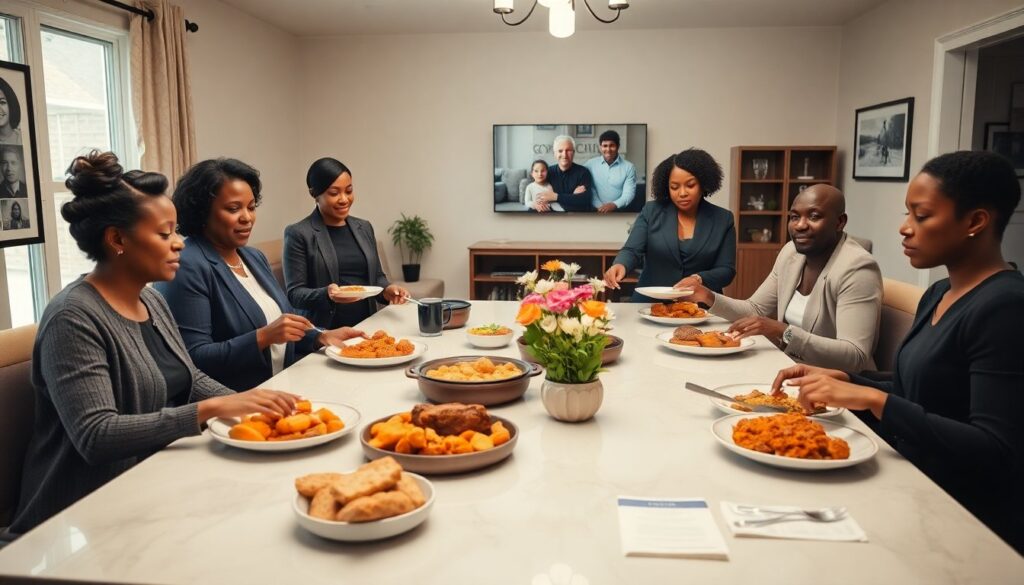
Soul Food the series adapts the film’s central event: a family grieving the loss of a matriarch. The series shows sibling rivalries, financial stress, romantic choices, and faith. It highlights daily decisions that affect family survival. The show centers on Black middle-class life rarely shown on television at the time. Critics praised the series for frank dialogue and layered characters. Viewers connected with honest portrayals of meals, funerals, church, and household chores. The series resonates because it presents emotional truth with warmth and clear stakes.
Main Characters, Cast Breakdown, And Who Played Who
Soul Food the series features a core ensemble led by sisters and their partners. Teri’s character appears in the film: the series expands other roles. The cast includes strong leads who carry family storylines. Actors delivered consistent work across multiple seasons. The casting choices emphasized chemistry and emotional range. Producers mixed established actors with emerging talent to keep performances grounded. The series made several cast members more visible to mainstream audiences. Fans still name the show when they seek family dramas with authentic dialogue and steady pacing.
Family Dynamics, Relationships, And Character Arcs
The series maps long-term character change through routine scenes and conflict. Siblings argue and then reconcile. Partners betray trust and then attempt repair. Characters learn through mistakes, work, and community ties. Writers let small moments reveal large shifts in priorities. The family matriarch’s loss sets each character’s arc. One sibling pursues business goals while another seeks emotional stability. The show emphasizes repair over punishment. That approach produces slow, believable growth that viewers find satisfying.
Key Themes, Representation, And The Show’s Cultural Impact
The series highlights themes of grief, resilience, faith, and domestic labor. It presents Black characters as complex and varied. The show rejects monolithic portrayals and offers multiple social positions. It opened space for conversations about class, gender roles, and Black marriage. Academics and critics cited the series when they discussed representation on cable TV. The show influenced later series that center Black family life without stereotype. Networks used its success to greenlight similar projects. The cultural impact rests in increased visibility and normalized domestic drama with Black leads.
Where To Watch, Streaming Rights, Syndication, And Home Releases
Streaming services rotate the Soul Food TV show based on licensing deals. Rights shifted through the 2010s and 2020s among cable and streaming platforms. Viewers find full seasons on select subscription services and in some syndication blocks. Physical releases appeared on DVD: collectors still trade boxed sets. Regional rights vary by country, so availability depends on the viewer’s location. New streaming windows appear when networks renegotiate rights. Fans can register alerts on major services to track when the series returns to a platform.
Legacy, Spinoffs, Reboots, And The Show’s Influence On Modern TV
The series left a clear legacy in serialized family drama. Creators inspired future writers to center Black domestic life with nuance. The show produced discussions about long-form character work and steady pacing. Producers explored limited spinoffs and proposed reboots in later years. Some revival attempts moved to development but did not always reach air. Modern TV borrowed the series’ focus on food, prayer, and household scenes as anchor moments. The series still appears in critical lists that track formative Black television dramas.