

Ask any parent what the hardest part of the day is, and plenty will say the same thing: the hour between getting home and getting dinner on the table. Everyone is tired, someone is hungry, someone else has homework they forgot about, and the fridge seems to contain nothing but half a cucumber and a jar of mustard. It is no wonder so many families end up eating separately, on the sofa, or in shifts.
One small change that a lot of households swear by is having a regular "theme night" in the week. Pizza Friday is a staple in many homes, and curry night has plenty of fans, but there is a quieter hero that deserves a place on the family calendar: pasty night.
Table of Contents
ToggleWhy the humble pasty works so well for families
The Cornish pasty was, quite literally, designed for busy people. It began life as a hand-held meal for miners and farm workers who needed something filling, portable and easy to eat without cutlery. A sturdy pastry case, a hearty filling of beef, potato, swede and onion, and a thick crimped edge to hold on to. That practical heritage translates surprisingly well to modern family life.
For a start, a pasty is a complete meal in one. You have your protein, your vegetables and your carbohydrates wrapped up together, which means fewer pans to wash and fewer arguments about the green bits on the side of the plate. Children who would push a pile of swede around the plate will often happily eat it when it is baked inside golden pastry.
Pasties are also wonderfully forgiving. They reheat well, they can be eaten hot or warm, and they cope with the reality of staggered family schedules. If one child has football practice and another has a music lesson, a pasty kept warm in a low oven is far more appealing than a plate of pasta that has gone cold and claggy.
Turning pasty night into a family ritual
The magic of a theme night is not really about the food. It is about creating something predictable and comforting that everyone looks forward to. Here are a few ways to make pasty night feel special rather than just another dinner.
Make it a sit-down meal. Lay the table properly, even if it is just once a week. Put the phones in another room. A pasty is a relaxed meal that suits a relaxed table, and it gives everyone a chance to talk about their week.
Let the children choose the sides. A pasty does not need much alongside it, but letting younger family members pick a side dish gives them a sense of ownership. Baked beans, a simple salad, pickled onions, or a dollop of brown sauce can all spark lively debate.
Talk about where the food comes from. Pasties come with a brilliant story. Children love hearing that miners would hold the crimped crust with their dirty hands and throw it away afterwards, or that some old pasties had savoury filling at one end and something sweet at the other. It is a lovely, low-pressure way to sneak a bit of history into the dinner conversation.
Get everyone involved in the baking. If you have the time at a weekend, making pasties from scratch is a brilliant family activity. Older children can help chop vegetables and roll pastry, while little ones are usually thrilled to be trusted with the crimping. The results might not be perfectly uniform, but that is half the fun.
When you do not have time to bake from scratch
Of course, the whole point of an easier weeknight is that it should be, well, easier. Making pastry and slow-baking pasties is a joy on a rainy Sunday but much less realistic on a Wednesday evening after a full day of work and school runs.
This is where a bit of planning ahead pays off. Many families keep a stash of good-quality, properly made pasties in the freezer for exactly these moments. They can go straight from freezer to oven, and within the hour the whole house smells like a Cornish bakery. Ordering a selection of pasty hampers is a handy way to stock up, especially if you want a mix of traditional steak pasties alongside vegetarian or cheese and onion options to keep fussier eaters happy.
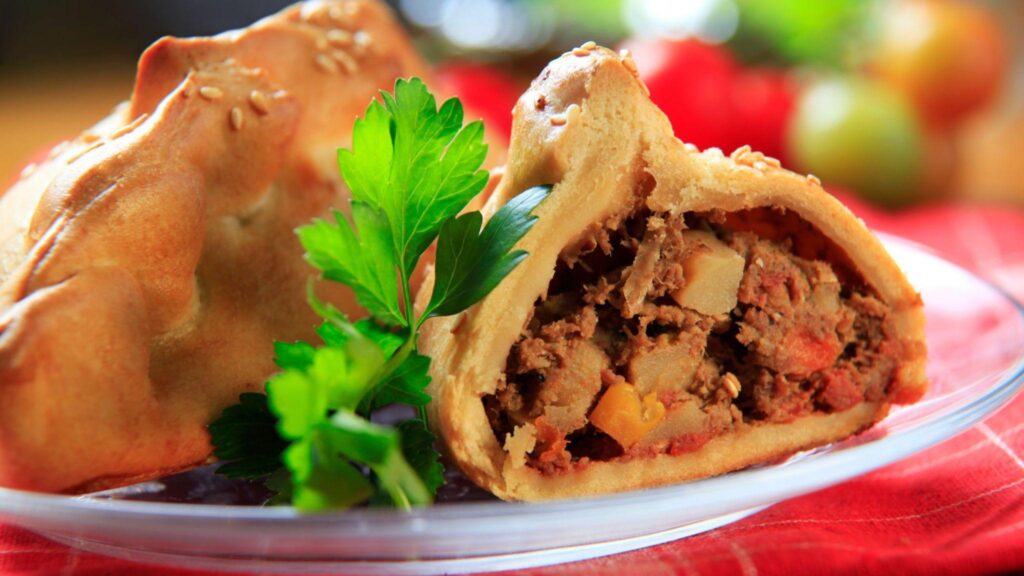
It is also worth knowing what makes a genuine traditional pasty. A proper Cornish pasty has a distinctive D shape, is crimped along the side rather than over the top, and contains roughly diced or sliced beef, swede, potato and onion, seasoned simply with salt and pepper. The filling goes into the pastry raw and cooks slowly inside its case, which is why the flavour is so rich and the vegetables so tender.
Making pasties work for different ages and appetites
One of the nicest things about pasty night is how adaptable it is to a household with mixed needs.
For toddlers and young children, cut a pasty in half or into chunky strips and let it cool a little first, as the filling holds heat for longer than you might expect. The pastry edges are perfect for little hands.
For hungry teenagers, a large traditional pasty is genuinely filling, which makes it a welcome change from snacking their way through the cupboards an hour after dinner.
For vegetarian family members, cheese and vegetable or cheese and onion varieties mean nobody has to be left out or cooked for separately.
For grandparents visiting, pasties often bring back memories of seaside holidays and childhood trips to the coast. They can be a lovely conversation starter across the generations.
A little bit of the coast at home
There is something about a pasty that feels like a holiday. Perhaps it is the association with sandy beaches, harbour walls and eating lunch out of a paper bag while dodging seagulls. Bringing that feeling into an ordinary midweek evening is no small thing when family life gets busy and holidays feel a long way off.
You could even lean into the theme. Play some sea shanties, put a seaside picture book on the table for the little ones, or plan a family trip to the coast together while you eat. The food becomes the anchor for a bit of shared daydreaming.
Keeping it simple
Parenting advice can sometimes feel like a long list of things you are supposed to be doing better. Pasty night is the opposite. It is not about perfection, nutrition charts or elaborate meal plans. It is about one evening a week where dinner is easy, warm and enjoyed together.
Whether you bake your own on a lazy weekend or keep a supply in the freezer for the busiest nights, a pasty is a small, satisfying way to bring the family back around the table. And if the crusts end up being fought over at the end of the meal, you will know it has worked.