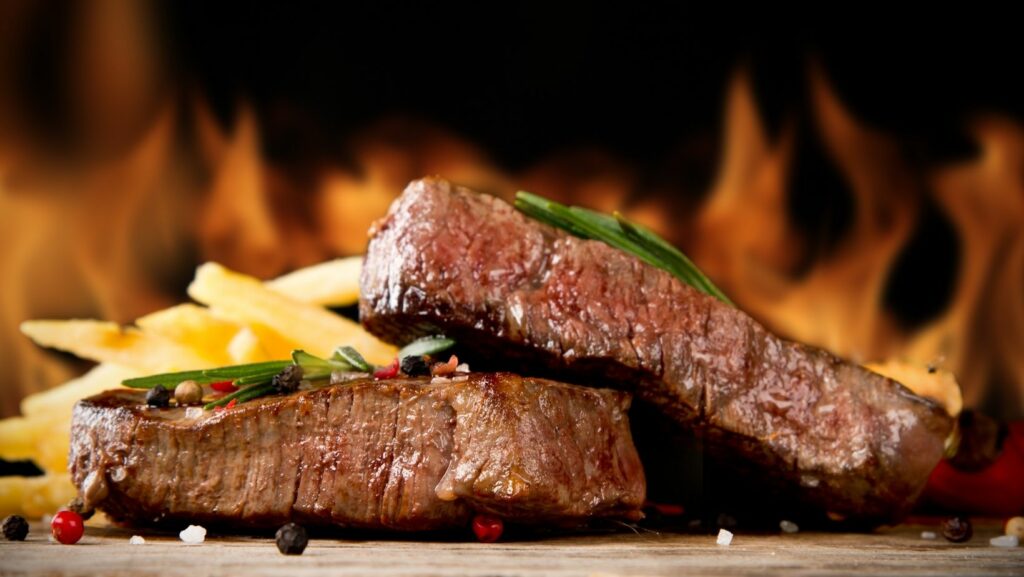


Capturing the perfect shot of that gooey chocolate cake or flaky pastry can be just as tricky as baking it. But fear not! With a few clever baking photography tips, anyone can turn their kitchen creations into mouthwatering masterpieces. After all, if a picture is worth a thousand words, a delicious dessert photo can spark cravings and inspire countless kitchen adventures.
Essential Baking Photography Tips
Choose natural light for shooting baked goods. Soft, diffused sunlight enhances textures and colors, creating an inviting atmosphere. Avoid harsh noon light; instead, shoot during early mornings or late afternoons. Position baked items near windows to utilize ambient lighting.
Experiment with angles to showcase treats effectively. Capture front views for layered cakes, while top-down views highlight intricate patterns on pastries. Consider using a 45-degree angle, which often produces the most flattering photos.
Incorporate props and backgrounds to create context. Use rustic wooden boards, colorful tablecloths, or simple white plates to set off baked items. Balance props so they don’t overshadow the main subject.
Adjust camera settings to focus on details. Use a low aperture to create a shallow depth of field, blurring distracting backgrounds and highlighting delicate elements. Keeping the ISO low reduces graininess, ensuring clearness in images.
Edit photos after capturing images. Utilize software like Adobe Lightroom or Photoshop to enhance colors and contrast. Efforts in post-processing can polish images, making them more visually appealing.
Include texture and layering in shots. Focus on the crust of pies or the icing on cakes; showcasing these elements enhances the visual story. Close-up shots can reveal details that entice viewers.
Capture the process, not just the final product. Highlight stages of baking, like mixing ingredients or decorating cakes. Sharing the journey provides a more engaging narrative for the audience.
Remember to practice regularly. Familiarity with various techniques leads to improvement. Each baking session presents an opportunity to refine photography skills and capture mouthwatering images.
Equipment You Need

Essential equipment enhances the quality of baking photography. Proper tools elevate images, showcasing baked goods beautifully.
Camera Options
Digital single-lens reflex (DSLR) cameras offer excellent image quality and versatility. Mirrorless cameras provide a lightweight alternative without sacrificing performance. Point-and-shoot cameras serve as a budget-friendly choice, suitable for casual bakers. High-quality smartphones deliver impressive results, making them convenient for quick shots.
Lens Recommendations
Versatile zoom lenses, like a 24-70mm, provide flexibility for various shot types. Prime lenses, such as a 50mm, excel in low-light conditions and create a pleasing bokeh effect. Macro lenses allow extreme close-ups, capturing intricate details of baked goods. A wide-angle lens accommodates larger setups or group shots, highlighting multiple treats in one frame.
Lighting Techniques
Effective lighting techniques play a crucial role in baking photography. Utilizing the right light source elevates the overall quality of images and highlights the baked goods’ best features.
Natural Light vs. Artificial Light
Natural light often produces the most appealing images, enhancing textures and colors without distortion. Shooting during golden hours, early mornings or late afternoons, ensures soft, flattering light. When natural light isn’t available, artificial lighting becomes necessary. Using diffused artificial light mimics the softness of daylight, making it suitable for indoor photography. Positioning lights at a 45-degree angle helps eliminate harsh shadows while illuminating the baked goods evenly. Natural versus artificial light each has merits, yet leveraging both can offer unique photographic effects.
Best Lighting Setups
A well-planned lighting setup makes a significant difference in photo quality. Positioning the subject near windows takes advantage of available natural light. For optimal results, reflectors can redirect light and fill shadows, ensuring even illumination. Softboxes serve as excellent artificial light sources, minimizing harshness while providing consistent lighting. Additional options include ring lights that create uniform brightness, ideal for close-up shots. Experimenting with different setups aids in discovering what best showcases the baked treats. Ultimately, striking the right balance in lighting transforms baking photos into mouthwatering visuals.
Composition Strategies
Good composition plays a vital role in baking photography. Effectively arranging elements within a frame can enhance the visual appeal of baked goods.
Rule of Thirds
Applying the rule of thirds can significantly improve composition. This technique involves dividing the frame into a 3×3 grid. Placing key elements along these lines or at their intersections draws attention and creates balance. For instance, positioning a layered cake to the right can leave space for decorative elements on the left. Experimenting with different placements while keeping the rule in mind leads to dynamic shots. The rule is a simple yet effective strategy that elevates baking photos from ordinary to extraordinary.
Props and Backgrounds
Choosing the right props and backgrounds enhances the story of baked goods. Select items that complement the main subject without overpowering it. Various textures and colors, such as rustic wood boards or vibrant tablecloths, can create visual interest. When incorporating props like forks, plates, and linens, ensure they relate to the theme of the dish. Creative backgrounds, such as an out-of-focus kitchen setting, add depth to images. These elements help convey a mood and context while spotlighting the delicious treats.
Styling Your Baked Goods
Styling baked goods enhances their visual appeal in photography. Paying attention to colors and garnishes elevates the presentation significantly.
Choosing the Right Colors
Selecting colors that complement the baked goods creates an inviting image. Contrasting colors can draw focus to the main subject, for example, vibrant fruits atop a chocolate dessert. Soft, pastel shades evoke a delicate aesthetic, ideal for light pastries. Using a monochromatic scheme maintains a clean look, ensuring that attention stays on textures and layers. Complementary colors, such as green mint leaves against the warm brown of cookies, enhance visual interest. Overall, consider how various color combinations impact the mood and appetite appeal in photos.
Garnishes and Textures
Incorporating garnishes adds layers of flavor and visual intrigue. Edible flowers not only brighten desserts but also provide a touch of elegance. Sprinkling powdered sugar or cocoa powder creates depth and texture that invites viewers to imagine the taste. Fresh herbs, like rosemary or basil, add unexpected elements, harmonizing with flavors. Textures play a key role in creating eye-catching images. A crispy crust next to a creamy filling highlights contrast and something visually engaging. Focus on using garnishes that enhance both flavor and photographic appeal, showcasing the delightful aspects of each baked good.
Mastering baking photography can elevate the way baked goods are presented. By utilizing natural light and experimenting with angles photographers can create captivating images that entice viewers. The right equipment and thoughtful composition play vital roles in showcasing the beauty of each treat.
Incorporating props and backgrounds adds depth while maintaining focus on the main subject. Styling techniques such as complementary colors and garnishes further enhance visual appeal. With practice and attention to detail anyone can capture mouthwatering photos that inspire others to embark on their baking journeys. Embracing these tips will lead to a stunning portfolio that highlights the artistry of baking.