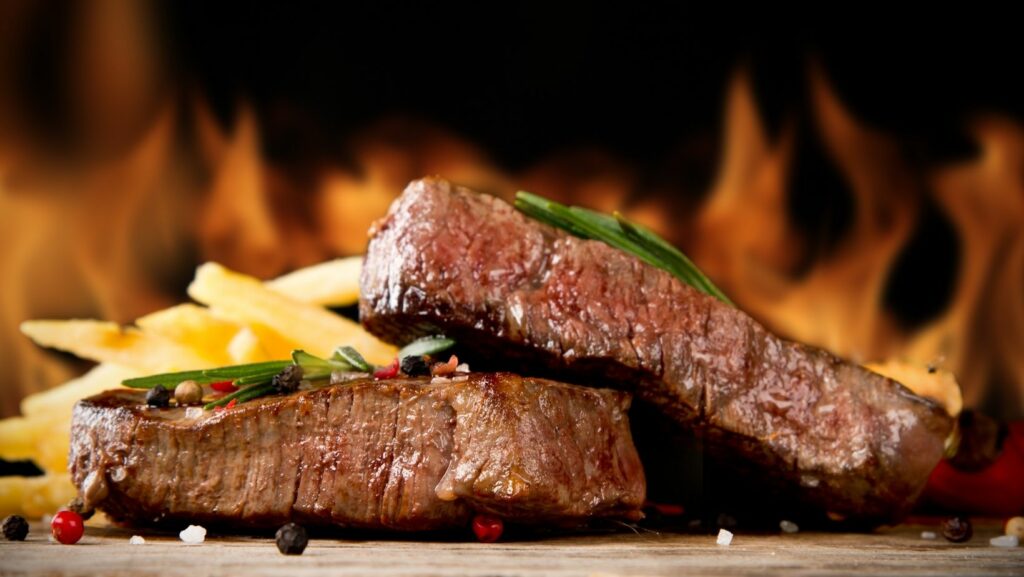


In a world where first impressions matter, food isn’t just meant to be eaten; it’s meant to be admired. Creative food styling transforms ordinary dishes into visual masterpieces that make mouths water and hearts skip a beat. Think of it as the art of seducing the senses, where every plate tells a story and every garnish plays a role in the culinary drama.
Understanding Creative Food Styling
Creative food styling elevates the visual appeal of dishes, transforming meals into works of art that delight the senses. A well-styled plate not only attracts attention but also enhances the overall dining experience.
Importance of Visual Presentation
Visual presentation influences diners’ perceptions and expectations. Appealing arrangements can evoke hunger, spark curiosity, and invoke satisfaction. Studies show that beautifully styled food can increase sales by up to 30%. Guests are more likely to share stunning images of their meals on social media, further promoting restaurants and dishes. Enhancing visual aspects encourages appreciation for culinary artistry.
Elements of Food Styling
Key elements in food styling impact the aesthetic outcome. Color, texture, and composition play crucial roles in creating an enticing presentation. Colorful ingredients create visual contrast, while varied textures add depth. Arrangement heightens interest; placing food at different heights draws the eye. Props such as plates, utensils, and fabrics contribute to the context and overall atmosphere. Attention to detail transforms meals into memorable experiences.
Techniques for Effective Food Styling

Effective food styling enhances the visual appeal of dishes, making them unforgettable. Mastering techniques like color combinations and the use of props and backgrounds can elevate any presentation.
Color Combinations
Color plays a vital role in food styling. When contrasting colors are paired, they create visual interest. Greens from fresh herbs can brighten a dish’s overall appearance. Utilizing complementary colors, such as red tomatoes with green basil, draws attention. Varied shades within the same color family add depth and harmony. For instance, mixing light and dark greens can emphasize freshness. Consider seasonal colors as well; they evoke specific feelings and enhance the theme of the dish. Thoughtful color choices can make plates inviting.
Use of Props and Backgrounds
Props and backgrounds significantly impact food presentations. Selecting appropriate tableware complements the dish while enhancing its aesthetics. White plates often emphasize the colors of the food, making dishes stand out. Textured surfaces, such as wooden boards or rustic fabrics, add warmth and context. Choosing simple backgrounds prevents distractions and allows the food to be the star. Kitchen utensils or fresh ingredients can serve as props that tell a story. Arranging these elements thoughtfully creates a cohesive scene. Thoughtful use of props creates an inviting atmosphere for diners.
Tools and Equipment for Food Stylists
Food stylists rely on a variety of tools and equipment to create visually stunning presentations. Essential items enhance the styling process and ensure that dishes look appetizing.
Essential Tools
Food stylists commonly use knives for precise cutting and shaping. Tweezers enable fine adjustments when placing delicate garnishes. Brushes help in applying sauces or oils to add shine. Sprayers serve to effortlessly mist food, giving it a fresh appearance. Instant-read thermometers ensure that meals maintain the ideal temperature for styling. Additionally, food styling boards provide a stable surface while working, allowing for creativity without worry.
Optional Accessories
Optional accessories can elevate food styling even further. Cloth napkins add texture and warmth to presentations. Colored tape helps in organizing props and adjusting setups quickly. Specialty sprinkles and edible glitter enhance visual appeal, making dishes pop. A light reflector can improve natural lighting in photographs. Furthermore, plate stands assist in showcasing dishes from unique angles. By incorporating these accessories, food stylists achieve dynamic and engaging compositions.
Inspiring Examples of Creative Food Styling
Creative food styling shines through in diverse contexts. This section highlights two key areas that exemplify innovative techniques.
Social Media Influencers
Social media influencers frequently set trends in food styling. They use vibrant colors and unique compositions to captivate followers. High-contrast images catch the eye, making dishes look irresistible. Many influencers utilize props like textured fabrics and rustic utensils to create inviting settings. Seasonal themes often appear, reflecting current trends and holidays. Engaging layouts prompt shares across platforms, enhancing visibility. Each post serves not only to showcase culinary skills but also to evoke emotions. By focusing on storytelling through food, influencers capture attention and increase engagement significantly.
Professional Food Photographers
Professional food photographers elevate the art of food styling. They apply advanced techniques to highlight textures and colors in appetizing ways. Strategic lighting enhances visual appeal, creating mood and atmosphere. Compositions shift with each dish, showcasing unique features. Many photographers choose minimalistic backgrounds to ensure focus remains on the food itself. Attention to detail, from plating angles to intricate garnish placement, transforms the dining experience. Collaborations with chefs often result in compelling narratives around the dishes. These professionals contribute significantly to food advertising, enhancing branding and sales through captivating visuals.
Creative food styling is more than just making dishes look good; it’s about crafting an experience that engages the senses. By transforming meals into visual masterpieces, food stylists enhance not only the appeal of the dish but also the overall dining atmosphere. The right combination of colors textures and props can tell a compelling story that resonates with diners.
As the culinary landscape continues to evolve the importance of food styling grows. It’s a powerful tool that can elevate a simple meal into a memorable occasion. With the right techniques and attention to detail anyone can create stunning presentations that leave a lasting impression. Embracing creative food styling is a step toward not just serving food but celebrating it as an art form.