
Travel food techniques can make or break a trip. Whether someone is backpacking through Southeast Asia or driving cross-country, what they eat affects energy levels, mood, and overall experience. Poor food choices lead to sluggish afternoons, upset stomachs, and wasted money. Smart food decisions do the opposite.
This guide covers practical travel food techniques that work for any budget and destination. Readers will learn how to pack efficiently, store food safely, find local options without getting sick, and save money along the way. These strategies come from experienced travelers who’ve learned what works, sometimes the hard way.
Table of Contents
ToggleKey Takeaways
- Effective travel food techniques start with packing items that travel well, like nuts, hard cheeses, dried fruits, and sturdy fresh fruits.
- Keep perishable foods below 40°F (4°C) to prevent bacteria growth, and discard anything left in the danger zone for more than two hours.
- Choose street vendors with high turnover and freshly cooked food—long lines signal local approval and safer options.
- Mix self-catering with dining out to stretch your travel food budget while still enjoying local specialties.
- Bring reusable containers, filtered water bottles, and backup snacks—especially if you have dietary restrictions or allergies.
- Eat where locals eat by walking a few blocks from tourist areas to find better quality food at lower prices.
Planning and Packing Smart Food Options
Good travel food techniques start before leaving home. Planning prevents those desperate airport food court decisions where a sad sandwich costs $15.
Choose Foods That Travel Well
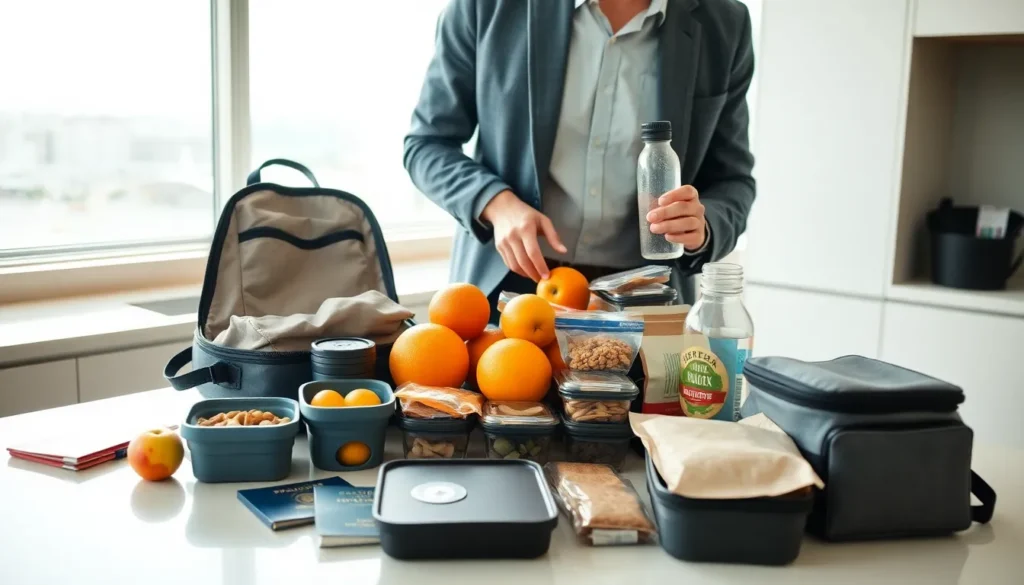
Some foods survive travel better than others. Hard cheeses, nuts, dried fruits, and jerky last for days without refrigeration. Fresh fruits like apples, oranges, and bananas handle being tossed in a bag. Nut butter packets and whole grain crackers provide quick protein and carbs.
Avoid anything that melts, crushes easily, or smells strong in enclosed spaces. Chocolate bars turn into brown paste. Ripe avocados become guacamole against their will. Hard-boiled eggs make enemies on planes.
Pack the Right Containers
Travel food techniques depend heavily on good containers. Silicone bags take up less space than rigid containers and won’t crack under pressure. A small insulated lunch bag keeps items cool for several hours. Collapsible bowls and utensils weigh almost nothing.
Bring reusable water bottles with filters for destinations where tap water isn’t safe. This saves money and reduces plastic waste.
Consider Dietary Needs and Restrictions
Travelers with allergies or dietary restrictions should pack extra backup food. Finding gluten-free or vegan options isn’t always easy in unfamiliar places. Having emergency snacks prevents hunger-driven poor decisions.
Research destination food options before traveling. Some countries cater well to specific diets while others present challenges.
Storing and Preserving Food While Traveling
Proper storage extends food life and prevents illness. These travel food techniques help keep meals safe and fresh.
Temperature Control Matters
Most foodborne illness comes from temperature abuse. Perishable foods need to stay below 40°F (4°C) or above 140°F (60°C). The danger zone between those temperatures allows bacteria to multiply rapidly.
For road trips, use a quality cooler with ice packs. Freeze water bottles to serve dual purposes, they keep food cold and provide drinking water as they melt. Place raw meats at the bottom, separated from other foods.
For flights and short trips, insulated bags with gel packs work well for a few hours. Pack perishables last so they spend less time at room temperature.
Dry Storage Solutions
Non-perishable items need protection from moisture and crushing. Keep crackers and chips in hard containers. Store dry goods in sealed bags to prevent humidity damage in tropical climates.
Hotel rooms offer limited storage. Use the mini-fridge wisely by removing unnecessary items. Some travelers bring a small cooler bag to supplement limited fridge space.
Know When to Discard
Travel food techniques include knowing when to throw food away. When in doubt, toss it. A $5 snack isn’t worth a $500 medical bill abroad. If perishable food has been above 40°F for more than two hours, it’s risky. Trust smell and appearance, but remember some bacteria don’t produce obvious signs.
Finding and Preparing Local Food Safely
Eating local food is one of travel’s greatest pleasures. Smart travel food techniques let travelers enjoy authentic cuisine without spending their trip in the bathroom.
Street Food Safety
Street food gets an unfair reputation. In many countries, street vendors cook fresher food than restaurants because they have no storage. The key is choosing vendors wisely.
Look for high turnover, long lines mean fresh food and local approval. Watch the cooking process. Food should be cooked to order at high temperatures. Avoid pre-made items sitting at room temperature.
Skip raw items like salads in areas with questionable water safety. Stick to cooked vegetables and peeled fruits.
Restaurant Selection
Busy restaurants during meal times indicate quality and safe food handling. Empty restaurants at dinner raise red flags. Ask locals or hotel staff for recommendations, they know which places cause problems.
Check basic hygiene. Are the bathrooms clean? Do staff handle food and money with the same hands? These details reveal kitchen practices.
Self-Preparation Options
Some travel food techniques involve cooking. Accommodations with kitchens let travelers prepare their own meals. Local markets offer fresh ingredients at lower prices than restaurants.
Bring a small travel kit with a knife, cutting board, and basic spices. Even hotel rooms with only a kettle allow oatmeal, instant soups, and other hot options. This gives travelers control over ingredients and preparation methods.
Budget-Friendly Eating Strategies on the Road
Travel food techniques should protect the wallet too. Food costs add up quickly, but smart strategies keep expenses reasonable.
Eat Like Locals Do
Tourist areas charge tourist prices. Walk a few blocks from major attractions to find where residents eat. These spots offer better food at lower prices. Lunch specials and set menus provide value, many restaurants offer the same dinner dishes at reduced lunchtime rates.
Learn basic food vocabulary in the local language. Pointing at menus works, but asking for recommendations often leads to better discoveries.
Mix Dining and Self-Catering
Eating every meal at restaurants drains budgets fast. The most effective travel food techniques combine dining out with self-prepared meals. Enjoy one nice restaurant meal daily while handling breakfast and snacks independently.
Grocery stores and markets offer breakfast supplies at a fraction of café prices. Yogurt, fruit, bread, and cheese make satisfying morning meals. Many hotels include breakfast, take advantage of this when available.
Strategic Splurges
Budget eating doesn’t mean missing out on local specialties. Research signature dishes before arriving and allocate funds for must-try items. A famous local dish might cost more than a forgettable generic meal, but the experience justifies the expense.
Avoid overpriced beverages. Water, local drinks, and coffee from shops cost less than tourist café equivalents. Alcohol markups at restaurants are often extreme, enjoy drinks elsewhere if budget matters.