
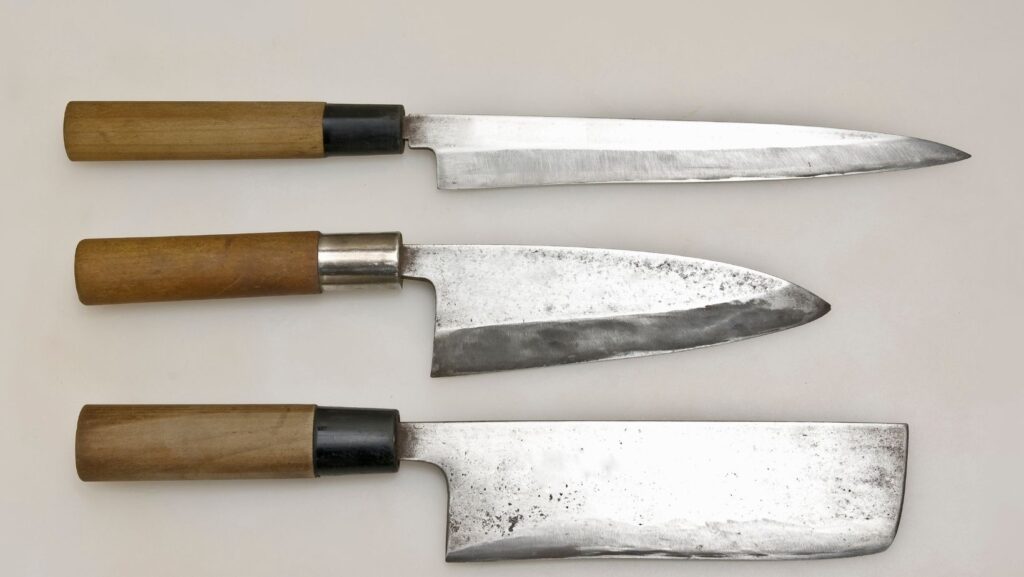

Cooking has shifted from a routine task to a skill many people actively develop. As a result, the tools used in the kitchen are getting more attention. Among these tools, Gyuto knives have become a preferred choice for home cooks who want precision, efficiency, and versatility in one blade.
We see this change clearly in how people approach buying kitchen equipment. Instead of purchasing full knife sets, many now invest in a single high-quality knife that can handle most daily tasks. That shift explains why Gyuto knives are increasingly chosen as practical and meaningful gifts.
What defines Gyuto knives
1. Blade design and geometry
Gyuto knives are the Japanese interpretation of the classic chef’s knife. The blade is typically thinner and lighter than its Western counterpart, which improves control and reduces resistance during cutting.
The slightly curved edge allows for both rocking and push-cutting techniques. This makes Gyuto knives adaptable to different styles of cooking without forcing the user into one specific motion.
2. Balance and handling
A key advantage lies in how balanced these knives feel during use. The weight distribution supports longer preparation sessions without causing fatigue.
Because of this, Gyuto knives are often preferred by users who cook regularly and need consistency in performance.
3. Steel and edge performance
Most Gyuto knives are made from harder steel compared to standard European knives. This allows for a sharper edge that stays sharp longer.
However, this also means the user must handle the knife with care. Proper technique and maintenance are important to preserve performance.
Why they work well as a gift
1. Practical value in daily use
A knife is one of the most used tools in any kitchen. Giving something that is used daily increases its long-term value.
Gyuto knives stand out because they cover multiple tasks without requiring additional tools.
2. Noticeable performance upgrade
When someone switches to a well-made knife, the difference is immediate. Cutting becomes smoother, faster, and more controlled.
This makes Gyuto knives a gift that delivers a clear improvement rather than just an aesthetic upgrade.
3. Suitable for different skill levels
Another advantage is accessibility. Beginners can use Gyuto knives effectively, while experienced cooks can fully benefit from their precision.
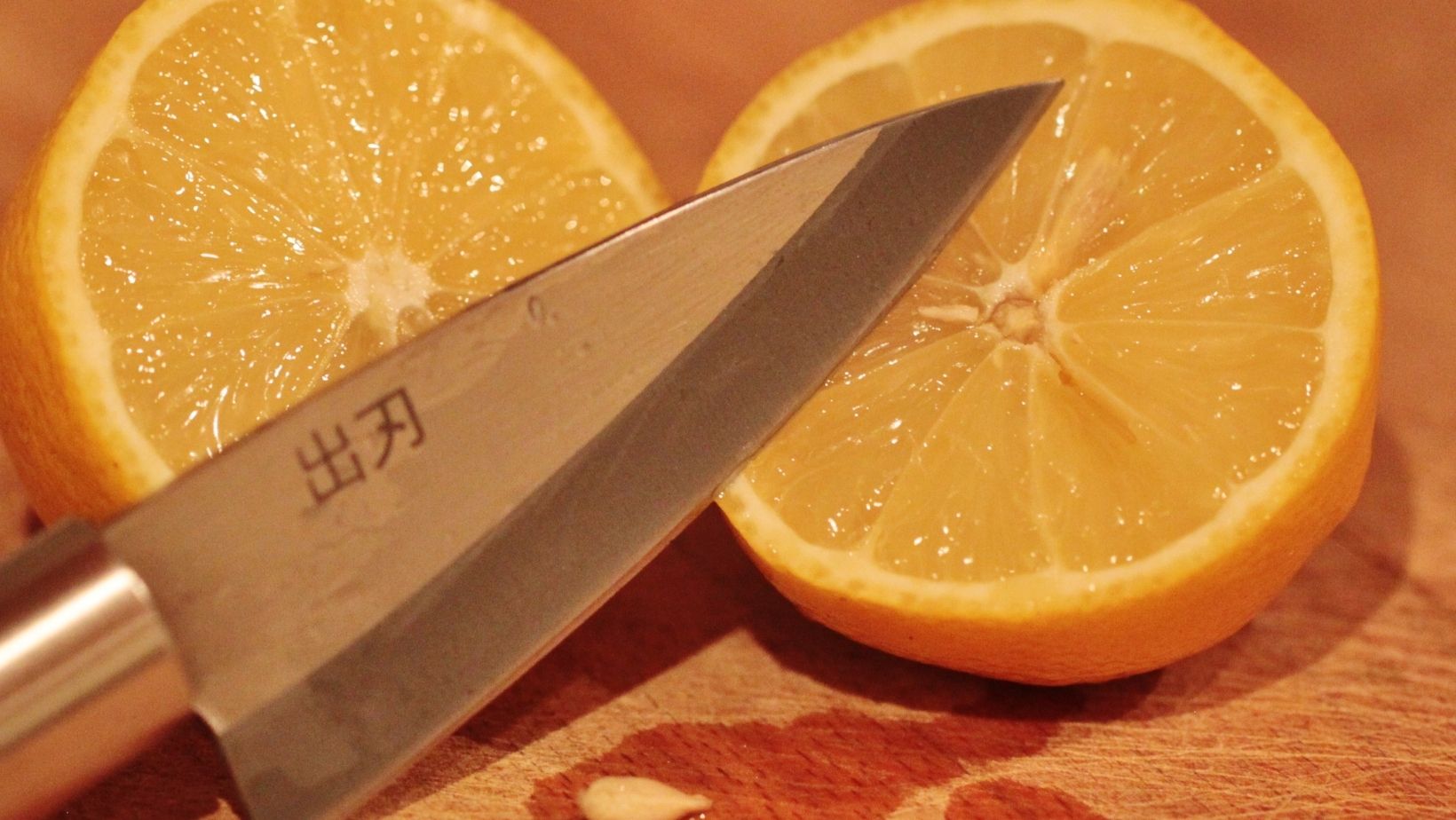
This flexibility makes them a safe choice when buying for someone else.
Everyday versatility in the kitchen
1. One knife for multiple tasks
Gyuto knives are designed to handle a wide range of ingredients. From vegetables to meat and fish, they perform consistently without the need to switch tools.
This simplifies cooking and reduces clutter.
2. Efficient workflow
Because of their blade length and geometry, Gyuto knives allow for faster preparation. The user can move from slicing to chopping without adjusting technique significantly.
3. Consistent results
Clean cuts help preserve the texture and structure of ingredients. This has a direct impact on presentation and cooking outcomes.
Typical use cases include:
- slicing vegetables evenly
- trimming and portioning meat
- chopping herbs efficiently
- preparing fish with precision
Comparison with other knife types
1. Understanding the broader category
Japanese knives include a wide range of blade shapes, each designed for a specific purpose. Some are highly specialized, while others are more versatile.
2. Precision-focused alternatives
Bunka knives are known for their angled tip and excel in detailed cutting tasks. They are often chosen by users who prioritize precision over versatility.
3. Position of Gyuto knives
Gyuto knives sit between these categories, offering both flexibility and accuracy. This balance is what makes them widely recommended as an all-purpose solution.
Maintenance and care
1. Proper cleaning
Gyuto knives should always be washed by hand and dried immediately. This prevents corrosion and preserves the blade.
2. Cutting surface
Using wood or soft plastic cutting boards helps maintain the edge. Hard surfaces should be avoided.
3. Sharpening routine
Regular honing and occasional sharpening are necessary to keep the knife performing at its best.
Basic care guidelines:
- avoid dishwashers
- store safely to protect the edge
- keep the blade dry
- use proper sharpening tools
Market trends and user behavior
We see a clear shift toward informed purchasing decisions. Buyers are no longer choosing knives based on brand recognition alone but are focusing on function and long-term value.
At SharpEdge, this is reflected in how customers approach the selection process. Many research blade types in advance and look for tools that match their cooking habits.
This change supports the growing popularity of Gyuto knives, which offer a balance of performance and usability.
We also observe that customers at SharpEdge increasingly prioritize durability and precision over convenience, which aligns with the characteristics of Gyuto knives.
Practical advantages in real use
1. Better control
The thinner blade allows for more precise movements, especially when working quickly.
2. Reduced effort
Less resistance during cutting means less force is required, making preparation easier.
3. Improved consistency
Uniform cuts lead to more even cooking results, which is important for both taste and presentation.
These advantages become more noticeable over time, especially for users who cook frequently.
Conclusion
Gyuto knives represent a practical solution for modern cooking needs. They combine versatility, precision, and efficiency in a single tool, which makes them particularly suitable as a gift.
We see that cooking enthusiasts are moving toward quality-driven choices. Gyuto knives fit naturally into this shift, offering long-term value and consistent performance.
For anyone serious about cooking, a well-made knife is not optional. It is a tool that shapes the entire experience.