
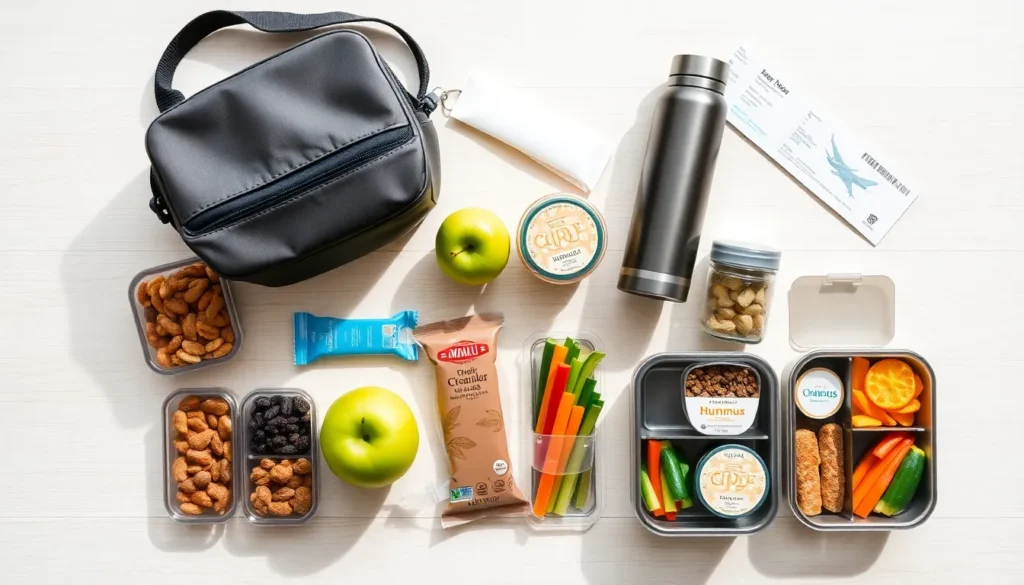

The best travel food can make or break a trip. Whether someone is boarding a 12-hour flight, driving across the country, or hiking through remote trails, the right snacks and meals keep energy levels stable and moods positive. Poor food choices lead to sluggishness, hunger-induced irritability, and wasted money on overpriced airport fare. Smart travelers know that packing the best travel food saves time, money, and digestive distress. This guide covers everything from shelf-stable snacks to healthy options that actually taste good, plus practical tips for keeping it all fresh.
Table of Contents
ToggleKey Takeaways
- The best travel food provides sustained energy through protein, fiber, and healthy fats while preventing the sugar crash from candy and processed snacks.
- Non-perishable snacks like nuts, jerky, and low-sugar granola bars form the foundation of smart travel food packing.
- Packing your own travel food saves significant money—a family of four can easily spend over $100 on overpriced airport snacks.
- Fresh options like hard-boiled eggs, cheese, and vegetables with hummus stay fresh for hours with an insulated bag and ice pack.
- Know TSA rules before packing: solid foods pass through security, but liquids over 3.4 ounces (including hummus and nut butter) must be checked or bought after screening.
- Check international food import regulations before traveling abroad, as countries like Australia and New Zealand have strict restrictions on produce, meat, and dairy.
Why Choosing the Right Travel Food Matters
Travel food affects more than just hunger. It impacts energy, mood, and even sleep quality during long journeys. A candy bar might provide a quick sugar rush, but the crash that follows leaves travelers tired and cranky.
The best travel food provides sustained energy without causing digestive issues. Foods high in protein and fiber keep blood sugar stable. This matters especially on planes, where cabin pressure and low humidity can worsen bloating and dehydration.
Cost is another factor. Airport food prices are notoriously inflated, a simple sandwich can cost $15 or more. Packing travel food in advance saves significant money over a week-long trip. A family of four can easily spend $100+ on airport snacks alone.
Travel food also provides comfort during stressful moments. Delayed flights, missed connections, and long layovers feel less frustrating with familiar, satisfying snacks on hand. The right travel food turns a potential disaster into a manageable inconvenience.
Non-Perishable Snacks for Long Journeys
Non-perishable snacks form the backbone of any travel food strategy. They don’t require refrigeration, survive being tossed in a bag, and last for days or even weeks.
Nuts and Seeds
Almonds, cashews, pumpkin seeds, and sunflower seeds offer protein and healthy fats. They’re calorie-dense, which means a small handful provides lasting energy. Pre-portioned bags prevent overeating.
Dried Fruit
Mangoes, apricots, and cranberries satisfy sweet cravings without the sugar crash of candy. Look for varieties without added sugar. Pair dried fruit with nuts for a homemade trail mix.
Jerky
Beef, turkey, or salmon jerky delivers serious protein in a compact package. It’s one of the best travel food options for carnivores. Check sodium content if salt intake is a concern.
Crackers and Rice Cakes
These provide a satisfying crunch and pair well with individual nut butter packets. Whole grain versions offer more fiber and staying power.
Granola Bars
Not all granola bars qualify as healthy, many contain as much sugar as candy bars. Look for options with at least 5 grams of protein and less than 10 grams of sugar. KIND, RXBars, and Larabars are solid choices.
Dark Chocolate
A small amount of dark chocolate (70% cacao or higher) provides antioxidants and satisfies dessert cravings. It travels well in cooler weather but can melt in summer heat.
Healthy Options to Keep You Energized
Healthy travel food doesn’t mean boring travel food. Plenty of nutritious options taste great and provide steady energy throughout a journey.
Fresh Fruit
Apples, oranges, and bananas travel well for short trips. They don’t require cutting or preparation. Bananas bruise easily, so pack them on top of other items.
Vegetables and Hummus
Carrot sticks, celery, and bell pepper slices stay fresh for several hours at room temperature. Individual hummus cups provide protein and make vegetables more satisfying.
Hard-Boiled Eggs
Eggs are protein powerhouses. Hard-boiled eggs keep for about two hours unrefrigerated, or longer with an ice pack. Pre-peel them for convenience.
Cheese
Hard cheeses like cheddar and gouda last longer without refrigeration than soft cheeses. String cheese and individually wrapped portions are convenient for travel food needs.
Overnight Oats
Prepare oats in a small mason jar the night before travel. They provide complex carbohydrates and fiber. Add nut butter or chia seeds for extra protein.
Protein Balls
Homemade protein balls made from oats, nut butter, honey, and protein powder are excellent travel food. They’re customizable and cost less than store-bought alternatives.
The best travel food combines protein, healthy fats, and complex carbohydrates. This combination provides energy without the spike-and-crash pattern of simple sugars.
Tips for Packing and Storing Travel Food
Packing travel food properly prevents spoilage, mess, and TSA confiscations. A few simple strategies make a big difference.
Use Reusable Containers
Hard-sided containers protect delicate items from being crushed. They also reduce plastic waste from single-use packaging. Bento-style boxes work well for organizing multiple snacks.
Invest in a Quality Insulated Bag
Insulated lunch bags keep perishables cold for 4-6 hours with ice packs. This extends the range of travel food options significantly.
Know TSA Rules
Solid foods pass through security without issue. Liquids over 3.4 ounces, including hummus, nut butters, and yogurt, must go in checked luggage or be purchased after security. Frozen items are allowed if completely solid at the checkpoint.
Pack Smart
Place heavier items at the bottom of bags. Wrap anything that might leak in plastic bags. Keep frequently accessed snacks in an outside pocket.
Consider Destination Rules
International travelers should check food import regulations. Many countries restrict fresh produce, meat, and dairy. Australia and New Zealand have particularly strict rules.
Label Everything
For longer trips, label containers with dates. This prevents eating spoiled travel food and helps with organization.