
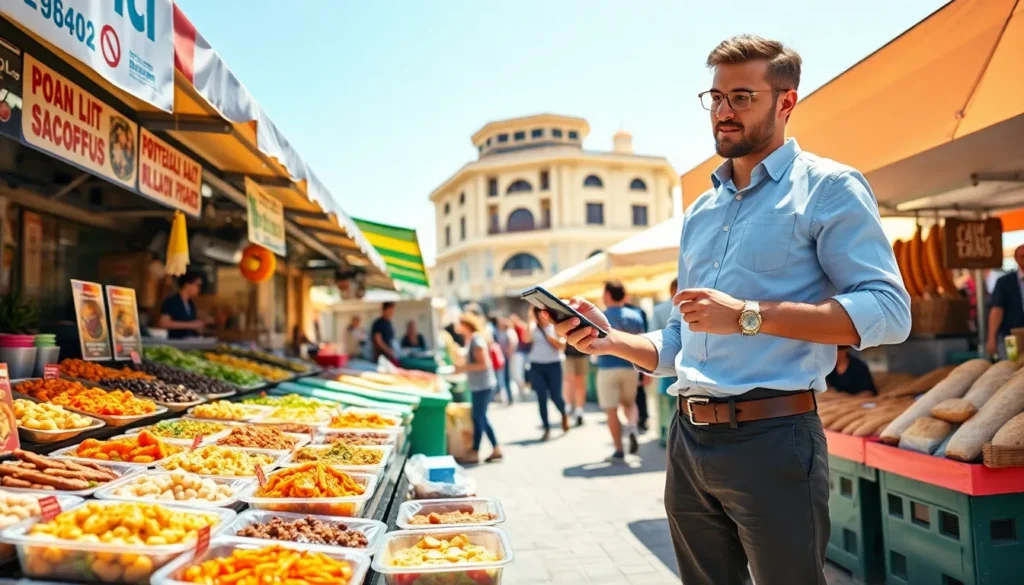

Travel food tips can transform an ordinary trip into a memorable culinary journey. Food shapes how travelers experience new cultures, connect with locals, and create lasting memories. Yet many people struggle with what to eat, where to find safe options, and how to stick to a budget abroad.
This guide covers practical strategies for eating well during any trip. Readers will learn how to research local dishes, pack the right snacks, find safe street food, handle dietary restrictions, and manage food costs. These travel food tips apply whether someone is backpacking through Southeast Asia or taking a weekend getaway to a neighboring city.
Table of Contents
ToggleKey Takeaways
- Research local cuisine before your trip using food blogs, apps, and social media to find authentic dishes and avoid tourist traps.
- Pack protein-rich snacks like nuts and granola bars that travel well without refrigeration to save money and stay energized.
- Choose street food vendors with long lines of locals and watch for fresh cooking—high heat kills most harmful bacteria.
- Prepare for dietary restrictions by learning key phrases in the local language and carrying allergy translation cards.
- Eat where locals eat and make lunch your main meal out to stretch your travel food budget without sacrificing quality.
- Book accommodations with kitchen access to maintain control over ingredients and save money on meals abroad.
Research Local Cuisine Before You Go
Smart travelers research local cuisine before they pack their bags. This preparation helps them identify must-try dishes, find reputable restaurants, and avoid tourist traps that serve overpriced, mediocre food.
Start by reading food blogs written by locals or long-term expats. These writers know which neighborhood spots serve authentic dishes and which places cater only to tourists. Travel food tips from people who actually live in a destination carry more weight than generic guidebook recommendations.
Food-focused apps like Yelp, TripAdvisor, and Google Maps provide reviews with photos. Look for restaurants with consistent ratings over time rather than places with a handful of five-star reviews. High review volume often indicates reliability.
Social media platforms offer real-time insights. Search Instagram hashtags for your destination plus “food” or “eats.” YouTube videos show what dishes actually look like and how locals eat them. TikTok has become a goldmine for quick restaurant recommendations in major cities.
Make a short list of three to five dishes you want to try. Learn their names in the local language. This knowledge helps travelers order confidently and shows respect for the local culture. Restaurant staff often appreciate when visitors attempt to pronounce dish names correctly.
Check if your destination has food markets, food halls, or night markets. These spots let travelers sample multiple dishes in one location. They also tend to be cheaper than sit-down restaurants.
Pack Smart Snacks for the Journey
Long flights, train rides, and bus journeys test anyone’s patience. Smart snack packing prevents hunger-induced bad moods and saves money on overpriced airport food.
Choose snacks that travel well without refrigeration. Nuts, dried fruit, granola bars, and beef jerky stay fresh for days. They don’t crush easily and won’t make a mess in luggage. These travel food tips especially help families with children who need frequent snacks.
Protein-rich options keep hunger at bay longer than sugary snacks. A handful of almonds or a protein bar provides sustained energy. Avoid candy and chips that cause energy spikes followed by crashes.
Consider customs regulations when packing food across international borders. Most countries prohibit fresh fruits, vegetables, and meat products. Sealed, commercially packaged snacks usually pass inspection without issues. Check destination-specific rules before packing anything perishable.
Bring an empty reusable water bottle through security. Fill it at water fountains after passing checkpoints. Staying hydrated during travel helps maintain energy and reduces jet lag symptoms.
Pack a few familiar snacks for the destination itself. These come in handy during long day trips, hikes, or when restaurants close unexpectedly. Having backup food prevents desperate decisions at convenience stores where healthy options are scarce.
Navigate Street Food Safely
Street food offers some of the most authentic and affordable eating experiences anywhere in the world. But travelers need to approach it wisely to avoid getting sick.
Look for vendors with high turnover. Long lines of locals signal fresh food and quick inventory rotation. Empty stalls may serve items that have been sitting for hours. Popular spots also indicate that the food tastes good, locals know their own cuisine best.
Watch how vendors handle food. Do they use gloves or tongs? Do they separate raw ingredients from cooked items? Clean cooking stations suggest good hygiene practices. Trust your instincts. If something looks or smells off, walk away.
Stick to items cooked fresh in front of you. High heat kills most bacteria and parasites. Avoid pre-made salads, cut fruit sitting in open air, and anything lukewarm. These travel food tips prevent most food-borne illnesses.
Start slow with street food, especially in destinations with very different cuisines. Let your stomach adjust over a day or two before going all-in on adventurous options. Building up gradually reduces the risk of digestive issues.
Carry hand sanitizer and use it before eating. Many street food situations don’t offer places to wash hands. This simple habit prevents the most common cause of traveler’s stomach problems.
Manage Dietary Restrictions While Traveling
Travelers with allergies, intolerances, or dietary preferences face extra challenges. But good preparation makes eating abroad manageable and enjoyable.
Learn how to explain dietary restrictions in the local language. Translation apps help, but printed cards work better in busy restaurants. Allergy translation cards clearly state what someone cannot eat. Many websites offer free downloadable versions for common allergies.
Research which local dishes naturally fit dietary needs. Many cuisines have traditional vegetarian, vegan, or gluten-free options. Thai cuisine offers rice-based dishes. Indian food includes many lentil and vegetable preparations. Japanese cuisine features rice and fresh fish.
Contact restaurants ahead of time for important meals. Email or call to confirm they can accommodate specific requirements. High-end restaurants usually handle special requests well. Smaller family-run spots may have limited flexibility.
Book accommodations with kitchen access when possible. Preparing some meals independently gives complete control over ingredients. Local grocery stores and markets sell fresh produce, proteins, and staples that let travelers cook safely.
Pack emergency backup food. Protein bars, instant oatmeal packets, or other shelf-stable items prevent desperate situations. These travel food tips provide peace of mind for anyone with serious dietary concerns.
Join online communities for travelers with similar restrictions. Reddit forums and Facebook groups share restaurant recommendations, hidden gems, and warnings about destinations that present challenges.
Budget Your Food Expenses Wisely
Food costs can consume a travel budget quickly. Smart planning stretches money further without sacrificing good eating experiences.
Set a daily food budget before the trip. Research average meal costs at the destination. Apps like Trail Wallet or Trabee Pocket help track spending in real-time. Knowing the numbers prevents overspending.
Eat where locals eat. Tourist-heavy areas charge premium prices for average food. Walk a few blocks away from major attractions. Prices drop and quality often improves. These travel food tips apply everywhere from Paris to Bangkok.
Make lunch the main meal when dining out. Many restaurants offer lunch specials or set menus at lower prices than dinner. The food quality stays the same. This strategy works especially well in Europe and upscale Asian restaurants.
Visit grocery stores and markets for breakfast and snacks. Local supermarkets reveal what people actually eat daily. Fresh bread, cheese, fruit, and yogurt cost a fraction of restaurant prices. Many travelers enjoy morning picnics in parks or scenic spots.
Splurge strategically on one or two memorable meals. Budget eating throughout the trip creates room for a special dining experience. That rooftop restaurant or famous local institution becomes more meaningful when travelers save specifically for it.
Avoid hotel breakfast unless it’s included free. Hotel restaurants typically charge inflated prices. A nearby café or bakery serves better food for less money. The walk also helps travelers discover their neighborhood.