
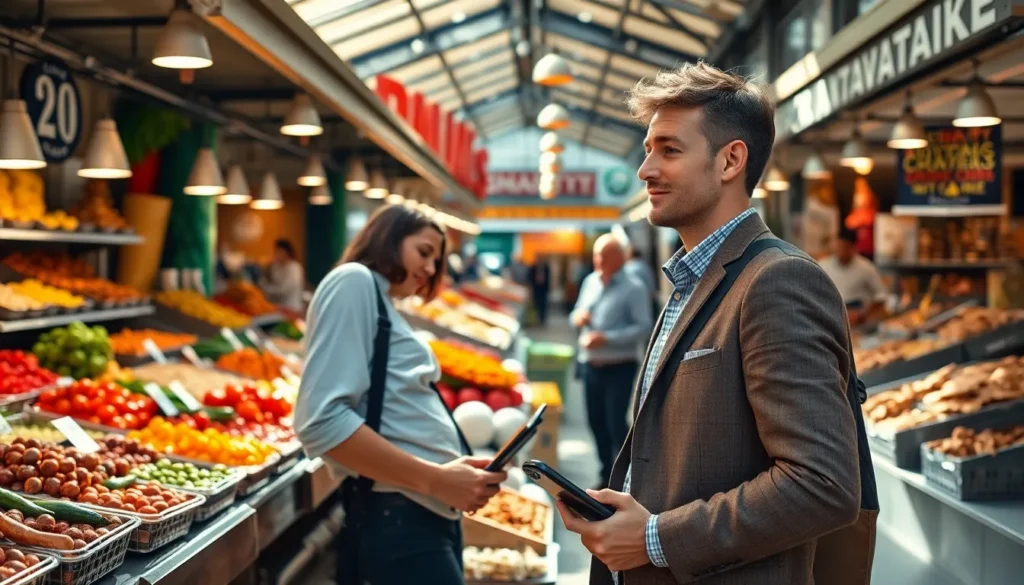

A travel food guide can transform an ordinary trip into a memorable culinary journey. Food connects travelers to local culture, history, and people in ways that museums and landmarks simply cannot. Yet many travelers struggle to find great meals abroad, they end up at tourist traps, overpay for mediocre dishes, or miss hidden gems entirely.
This travel food guide breaks down practical strategies for eating well on any adventure. From pre-trip research to street food safety, authentic dining spots, and budget-friendly tips, these insights help travelers make smarter food choices. Whether someone plans a weekend getaway or a month-long expedition, knowing how to eat well makes every destination more rewarding.
Table of Contents
ToggleKey Takeaways
- A travel food guide helps you discover authentic local cuisine while avoiding tourist traps and overpriced meals.
- Research signature dishes, seasonal ingredients, and local food markets before your trip to eat with confidence.
- Choose street food stalls with long lines of locals and high turnover for fresher, safer meals.
- Walk a few blocks away from tourist centers to find better quality food at lower prices.
- Eat your biggest meal at lunch to take advantage of set menus and significant discounts.
- Stretch your food budget by combining market picnics, street food, and one memorable splurge meal.
Research Local Cuisine Before You Go
Smart travelers research local cuisine before boarding their flight. A solid travel food guide starts with assignments. Knowing what dishes define a region helps visitors order with confidence and avoid disappointing meals.
Start by identifying signature dishes. Every destination has them. Japan has ramen and sushi. Mexico offers tacos al pastor and mole. Italy serves regional pastas that vary dramatically from north to south. Learning these specialties creates a culinary checklist for the trip.
Food blogs and YouTube channels provide visual references that help travelers recognize authentic preparations. Reading reviews from locals, not just tourists, reveals where residents actually eat. Apps like Google Maps show restaurant ratings, but filtering by local reviewers often yields better results.
Seasonal ingredients matter too. Visiting Spain during tomato season means better gazpacho. Traveling to Maine in summer means fresh lobster at peak quality. A travel food guide that accounts for timing helps travelers experience ingredients at their best.
Language preparation pays off as well. Learning basic food vocabulary in the local language makes ordering easier. Knowing that “piccante” means spicy in Italian or that “ma la” describes Sichuan’s numbing heat prevents unwanted surprises. Even a few key phrases demonstrate respect and often lead to better service.
Local food markets deserve research attention. Markets showcase regional products and offer affordable tastings. They also reveal what locals actually buy and cook at home. A morning market visit often teaches more about food culture than any restaurant meal.
Navigate Street Food Safely
Street food offers some of the best eating experiences anywhere. It’s cheap, authentic, and often delicious. But it requires some basic precautions. A reliable travel food guide addresses safety without encouraging unnecessary fear.
Watch the crowds first. Long lines of locals signal quality and high turnover. High turnover means fresher food. If a stall sits empty while others nearby draw crowds, skip it.
Observe hygiene practices. Does the vendor handle money and food with the same hands? Are raw and cooked ingredients separated? Is the cooking surface clean? These visual checks take seconds but prevent problems.
Choose cooked-to-order items over pre-made foods sitting at room temperature. A freshly grilled satay stick carries less risk than a pre-assembled sandwich that’s been out for hours. Heat kills most bacteria, so piping hot food is generally safer.
Water and ice deserve attention. In countries with questionable tap water, skip drinks with ice from unknown sources. Sealed bottled water remains the safest choice. Fresh fruit juices taste amazing but may contain contaminated water or ice.
Start slow with unfamiliar cuisines. A travel food guide should mention that digestive systems need adjustment time. Eating lighter meals initially helps the stomach adapt to new ingredients, spices, and preparation methods. Diving straight into the spiciest local specialty on day one often backfires.
Carrying basic medications provides peace of mind. Antidiarrheal tablets and rehydration salts take minimal space but prove invaluable if street food adventures go wrong.
Find Authentic Dining Experiences
Tourist areas rarely offer the best food. Restaurants near major attractions cater to visitors who won’t return, which reduces their incentive to excel. A smart travel food guide directs diners away from these zones.
Walk a few blocks from tourist centers. Prices drop and quality often rises. Restaurants that depend on local regulars must deliver consistent value. They can’t survive on one-time tourist visits alone.
Ask hotel staff where they eat, not where they recommend to guests. Concierges often suggest safe, upscale options. But asking a housekeeper or security guard about their favorite lunch spot yields different results. These suggestions typically lead to authentic, affordable meals.
Look for restaurants with menus in only the local language. This indicates a local customer base. Laminated menus with photos in six languages usually signal tourist-oriented pricing and quality.
Timing affects authenticity too. Eating at local meal times, often later in Spain, earlier in Germany, surrounds diners with residents rather than tourists. The atmosphere changes, and so does the food. Kitchens perform better during rush periods when cooks work at their practiced rhythm.
Food tours offer another option. Quality food tours, led by locals, introduce travelers to neighborhoods and dishes they’d never find alone. They provide context, history, and often access to family-run establishments that welcome tour guests but don’t advertise.
Social media hashtags help locate trending spots. Searching location-specific food tags on Instagram reveals where locals photograph their meals. These visual recommendations often highlight newer restaurants that haven’t appeared in traditional travel food guide publications yet.
Budget Tips for Eating While Traveling
Great travel food doesn’t require a large budget. Some of the best meals cost very little. Strategic choices stretch dining dollars without sacrificing quality.
Eat the big meal at lunch. Many restaurants offer lunch specials or set menus at significant discounts compared to dinner prices. The food comes from the same kitchen, prepared by the same cooks. Only the price differs. In countries like Spain, France, and Italy, lunch menus deliver remarkable value.
Markets and grocery stores provide budget-friendly options. Buying local cheese, bread, cured meats, and fruit creates a picnic that rivals restaurant meals. This approach also introduces travelers to products they can’t find at home.
Street food remains the ultimate budget option in most destinations. A bowl of pho in Vietnam, tacos in Mexico, or pad thai in Thailand costs a fraction of restaurant prices. These dishes often taste better than their upscale counterparts because street vendors specialize in single items.
Accommodations with kitchens enable meal preparation. Cooking breakfast saves money for more interesting lunch and dinner options. Even basic cooking, pasta, eggs, simple salads, reduces daily food expenses substantially.
Happy hours and early bird specials exist worldwide. Bars and restaurants discount food and drinks during off-peak hours. These promotions attract locals who know the value, and travelers benefit by following their lead.
Water costs add up quickly. Carrying a refillable bottle saves money in countries with safe tap water. In other destinations, buying large bottles from grocery stores costs less than individual bottles from convenience stores or restaurants.
A travel food guide should emphasize quality over quantity. Spending more on one memorable meal and economizing on others often satisfies more than spreading budget evenly across mediocre options.