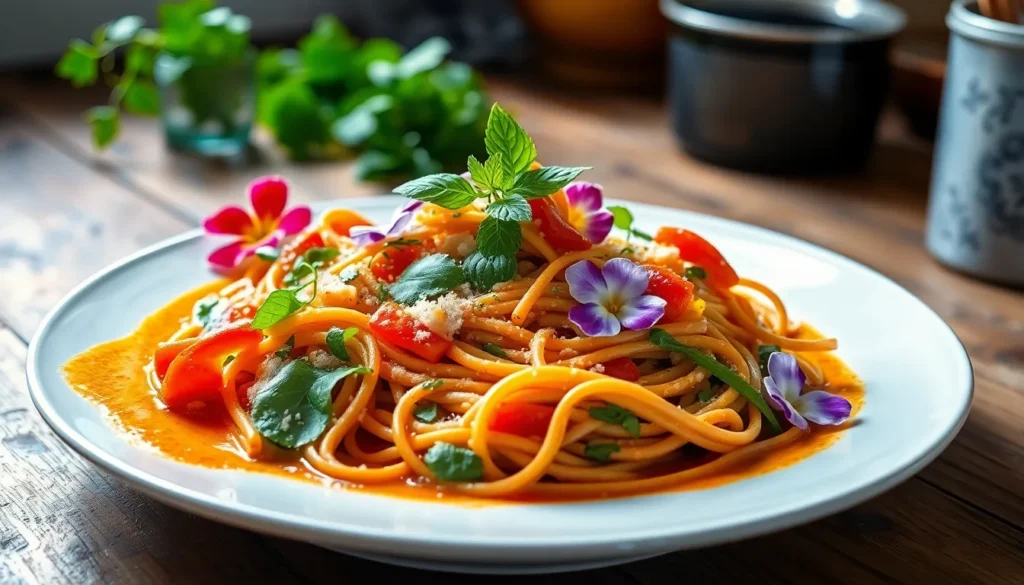

In a world where culinary boundaries blur and flavors collide, fusion cuisine photography emerges as a vibrant art form that captures the delicious chaos. Imagine a plate where spicy Thai curry meets classic Italian pasta, all framed in a way that makes your taste buds dance and your Instagram followers drool. It’s not just food; it’s a visual symphony that tells a story of culture, creativity, and culinary rebellion.
Understanding Fusion Cuisine Photography
Fusion cuisine photography captures the essence of diverse culinary traditions, emphasizing creativity and cultural narratives. This art form appeals to both food enthusiasts and social media audiences by showcasing visually distinct dishes.
Definition and Importance
Fusion cuisine photography represents the blend of flavors, techniques, and presentations from various culinary backgrounds. It plays a significant role in promoting cultural appreciation and culinary innovation. This photography style highlights not just the aesthetics of food but also its storytelling power. Each dish illustrates a unique experience, inviting viewers to explore a world of taste and tradition. As a result, chefs and food creators use this medium to connect with audiences on deeper levels.
Key Elements of Composition
Composition in fusion cuisine photography involves several key elements that enhance visual appeal. Lighting serves as a critical factor; natural light often brings out food colors and textures vibrantly. The arrangement of ingredients impacts perspective; placing items strategically can lead to more dynamic images. Color contrasts capture attention; using bright garnishes against neutral plates adds visual interest. Additionally, incorporating props fosters context; utensils or fabrics can enrich the narrative surrounding the dish. Each of these elements contributes to creating captivating compositions that resonate with viewers.
Techniques for Capturing Fusion Cuisine

Capturing fusion cuisine requires attention to detail and a deep understanding of visual storytelling. Successful images convey the unique blend of flavors and cultures embedded in each dish.
Lighting and Color Considerations
Natural lighting enhances the flavors depicted in fusion cuisine photography. Soft daylight creates inviting images while revealing the vibrant colors of ingredients. High-contrast lighting can highlight textures and intricate details, adding depth. By experimenting with different light sources, photographers achieve distinct moods that reflect the dish’s essence. Color theory plays a crucial role in composition. Complementary colors create visual harmony, while contrasting hues draw attention to key elements. Maintaining balanced lighting and strategic color choices ensures a cohesive presentation.
Styling Tips for Plating
Plating serves as an art form in itself, impacting the overall aesthetic of fusion cuisine. Begin with a clean plate to emphasize the dish’s elements. Arrange components thoughtfully, allowing each ingredient to shine. Layering creates visual interest and showcases the dish’s complexity. Use garnishes for a finishing touch, adding pops of color and enhancing appeal. Embrace negative space to prevent clutter, allowing the eye to rest and focus on the main attractions. Incorporating natural elements, such as herbs or edible flowers, can elevate the presentation further.
Popular Fusion Cuisine Styles

Fusion cuisine offers a creative playground where diverse culinary traditions blend seamlessly. Consider two notable styles: Asian-Mediterranean and Latin-Asian.
Asian Mediterranean Fusion
Asian-Mediterranean fusion showcases bright flavors and fresh ingredients. Dishes often feature elements such as lemongrass infused tzatziki or spicy ginger hummus. This combination creates an exciting palate that reflects cultural diversity. One popular dish includes sushi rolls with Mediterranean fillings like feta cheese and olives. Chefs highlight vibrant colors and textures, enhancing visual appeal. Capturing this type of cuisine through photography emphasizes natural light that brings out the freshness of ingredients. Attention to details like plating techniques also ensures an engaging presentation.
Latin Asian Fusion
Latin-Asian fusion combines bold spices with unique textures. Creative dishes often include tacos filled with Korean barbecue or ceviche with a hint of wasabi. Such innovative pairings captivate adventurous eaters. Photography of this cuisine focuses on contrasting colors, featuring bright salsas alongside rich, savory proteins. The vibrant arrangement of ingredients plays a significant role in storytelling. To effectively capture these dishes, photographers utilize dynamic angles and close-up shots. This approach showcases the intricate details and harmony of diverse culinary influences.
Challenges in Fusion Cuisine Photography
Fusion cuisine photography presents unique challenges that require photographers to navigate various elements skillfully.
Balancing Flavors Visually
Creating a visual representation of flavors demands a keen eye for color and composition. Photographers must capture the essence of different culinary traditions while ensuring that images remain harmonious. Dish arrangements should reflect the flavors without overwhelming the viewer. For example, bright greens of herbs can contrast with earthy tones of spices effectively. Incorporating diverse textures also enhances visual interest, making each component speak for itself. Emphasizing the unique aspects of fusion dishes through careful styling contributes to an overall balanced image. Proper lighting accentuates these contrasts, making the dish delectable and inviting to the audience.
Dealing with Cultural Sensitivities
Understanding cultural backgrounds is crucial in fusion cuisine photography. Photographers should respect the origins of each dish to avoid misrepresentation. Engaging with cultural elements authentically enriches the storytelling aspect of the images. For example, using traditional serving ware can enhance authenticity and respect towards the culinary heritage. Additionally, researching cultural significance helps ensure that the presentation aligns with each cuisine’s values. Collaborating with chefs or cultural experts can provide insights into which elements resonate positively with audiences. Prioritizing these sensitivities fosters appreciation and promotes a deeper connection between fusion cuisines and their respective cultures.
Conclusion
Fusion cuisine photography is more than just capturing beautiful images of food. It’s an art form that tells stories and celebrates the rich tapestry of culinary traditions. By skillfully blending cultures through visual narratives, photographers can elevate the dining experience and foster a deeper appreciation for diverse cuisines.
The techniques and stylistic choices discussed empower photographers to create striking images that resonate with audiences. As they navigate the challenges of this unique genre, embracing cultural sensitivities and collaborating with culinary experts will enhance the authenticity of their work. Ultimately, fusion cuisine photography invites everyone to explore and enjoy the vibrant world of culinary innovation.