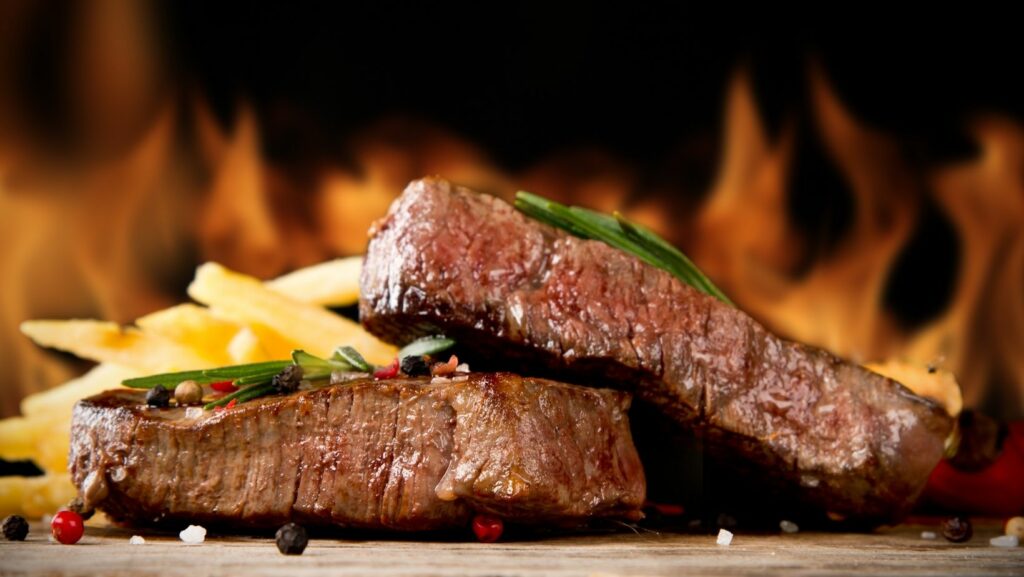
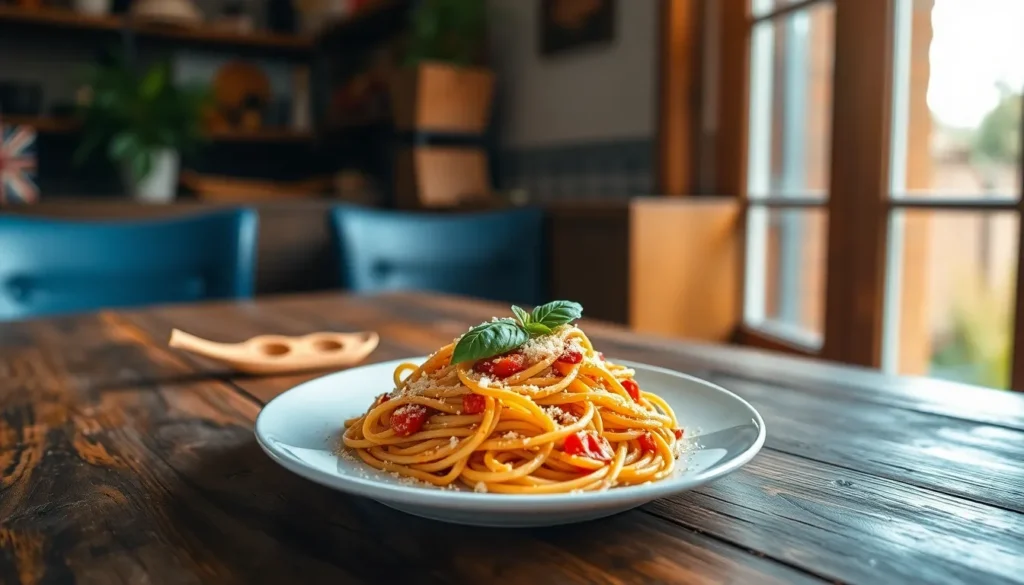

In the world of food photography, lighting is the secret sauce that turns a simple dish into a mouthwatering masterpiece. Imagine snapping a photo of a perfectly plated pasta, only for it to look more like a sad blob than a culinary delight. Without the right lighting, even the most delectable meals can fall flat.
Understanding Food Photography Lighting
Lighting plays a vital role in food photography. It can elevate a simple dish into a stunning visual experience.
Importance of Lighting in Food Photography
Good lighting enhances color and texture in food. Effective lighting highlights freshness and details, making dishes more appetizing. Natural light often yields exceptional results, showcasing the true essence of ingredients. Without proper lighting, photos can appear flat and uninviting, diminishing a meal’s appeal. Photographers recognize that different lighting techniques can evoke varied moods, thus impacting viewers’ perceptions. Mastering lighting is crucial for capturing both professional and mouth-watering images.
Types of Lighting Sources
Various lighting sources exist for food photography, each with unique characteristics. Natural light remains popular for its soft and flattering quality. Artificial lights, such as softboxes, offer consistent illumination, regardless of the time or weather. LED panels provide versatility and can adjust intensity and color temperature seamlessly. Flash can create dramatic effects, but it requires careful handling to avoid harshness. Reflectors, though often overlooked, help channel light and soften shadows, enhancing images. Understanding these sources allows photographers to make informed choices that best suit their artistic vision.
Natural Lighting
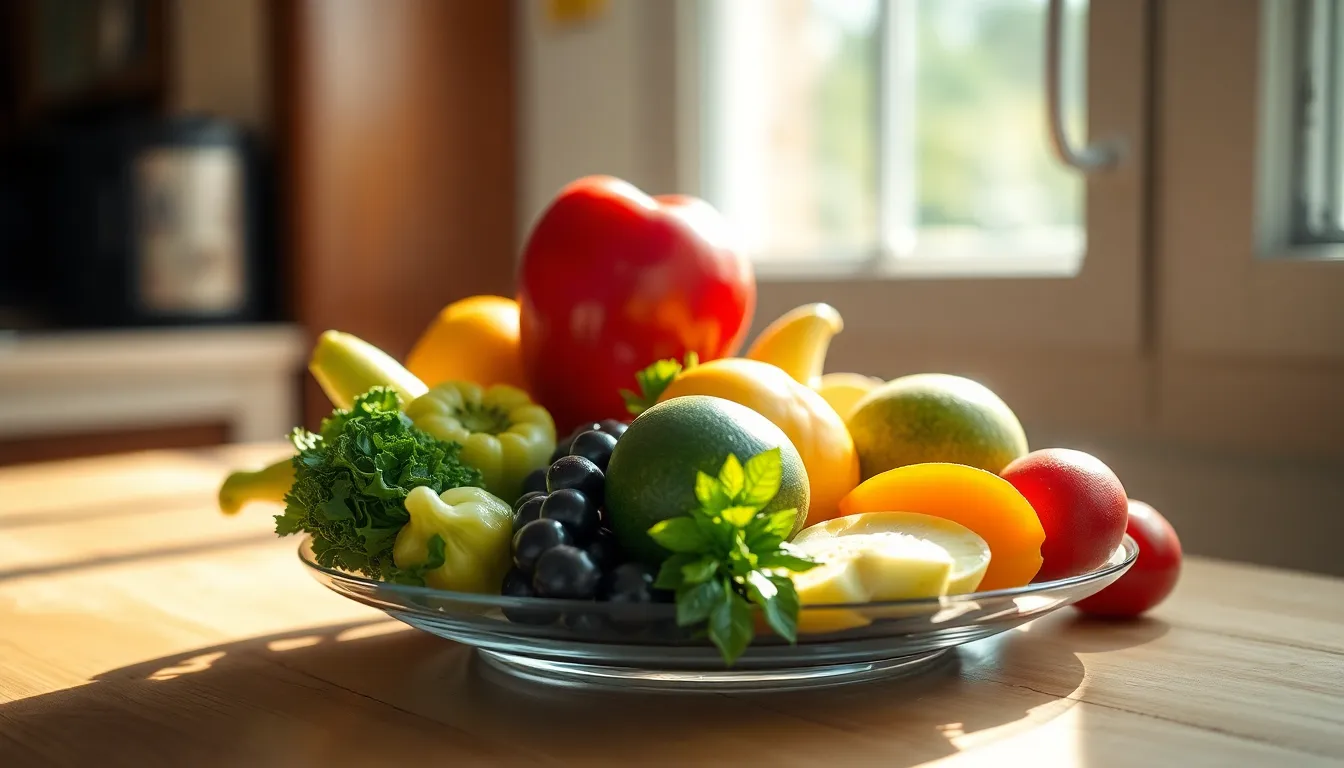
Natural light plays a vital role in food photography by enhancing colors and textures naturally. This lighting creates a soft ambiance that sets an inviting tone for food images.
Advantages of Natural Light
Natural light offers multiple benefits for food photography. It provides a soft, diffuse quality that flatters dishes, making them appear fresh and appetizing. Natural light captures true colors effectively, revealing the vibrancy of fruits and vegetables. Flexibility is another advantage; availability varies throughout the day, allowing experimentation with different moods. Cost-effectiveness is significant; using sunlight eliminates the need for expensive equipment. Lastly, natural light enhances shadows and highlights, adding depth and dimension to photos.
Tips for Using Natural Light
Using natural light effectively requires some strategic planning. Ideally, shoot near windows where indirect sunlight filters through, avoiding harsh glare that can distort colors. Timing matters; the golden hour—shortly after sunrise or before sunset—offers warm, gentle light. Utilize reflectors to bounce light onto dishes, softening shadows and enhancing visibility. Experiment with angles to discover how different sources impact the image, finding unique perspectives that highlight texture and detail. Adjust the camera settings to ensure proper exposure, preventing overexposure or underexposure.
Artificial Lighting

Artificial lighting plays a pivotal role in food photography, allowing photographers to maintain control over their environment. This control enables consistent results regardless of external conditions.
Types of Artificial Lighting
Photographers often choose from various types of artificial lighting. Softboxes create diffused, even light that softens shadows. LED panels provide bright and adjustable illumination, making them versatile for different setups. Ring lights, favored for their uniform circular light, reduce shadows around food. Additionally, spotlights offer targeted lighting, which highlights specific details. Each type offers unique characteristics suited for various culinary subjects.
Pros and Cons of Artificial Lighting
Artificial lighting presents both advantages and drawbacks. Consistent illumination is a key benefit, ensuring reliable quality across multiple shoots. Photographers can manipulate light intensity and direction, tailoring it to their needs. Conversely, artificial lighting can sometimes appear harsh, leading to unflattering images. It also requires setup time and additional equipment, increasing complexity. Evaluating these factors helps photographers make informed decisions about their lighting choices.
Lighting Techniques
Lighting techniques play a significant role in enhancing food photography. Different approaches can highlight the best features of dishes, creating appealing images.
Backlighting and Side Lighting
Backlighting involves placing the light source behind the food, creating a vibrant glow that enhances colors and textures. This technique works well with translucent ingredients like fruits and jellies, allowing their natural beauty to shine. On the other hand, side lighting imparts depth and dimension by casting shadows on one side. It brings out details in textures, making the food appear more three-dimensional. Combining these techniques can produce stunning effects, inviting viewers to appreciate the culinary art.
Using Reflectors and Diffusers
Reflectors serve to bounce light onto the subject, softening shadows and filling in details. Using white or silver reflectors enhances brightness and contrast, while gold reflectors add warmth. Diffusers, such as soft fabrics or specialized materials, soften harsh light, creating a gentle glow. Placing diffusers in front of a light source minimizes glare and creates a more even ambiance. Both tools enable photographers to control lighting characteristics, promoting professional-quality images.
Conclusion
Mastering food photography lighting is essential for anyone looking to elevate their culinary imagery. Whether using natural light for its soft ambiance or artificial sources for consistent results, understanding how to manipulate light can make all the difference. Techniques like backlighting and side lighting add depth while tools such as reflectors and diffusers help refine the final image. By exploring various lighting methods and experimenting with different setups, photographers can capture mouth-watering visuals that truly showcase the beauty of food. With the right lighting approach, every dish can become a stunning visual narrative that captivates viewers.