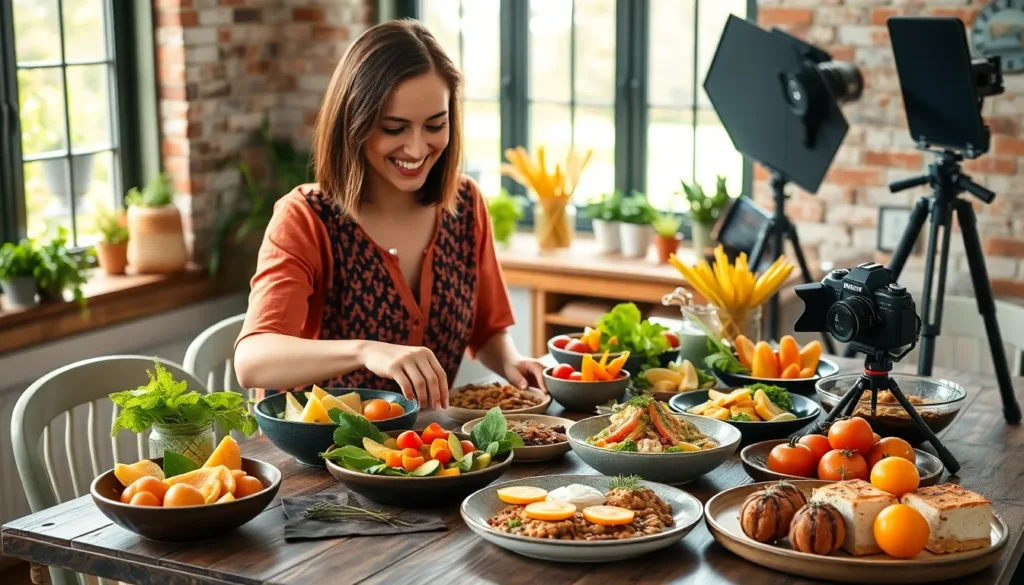

In a world where everyone’s a food critic armed with a smartphone, the art of food photography has become a deliciously lucrative business. Imagine turning mouthwatering dishes into visual masterpieces that make taste buds tingle before the first bite. With the right skills and a sprinkle of creativity, anyone can transform their passion for food into a thriving photography venture.
Overview Of Food Photography Business
The food photography business thrives on creating visually captivating images that attract audiences across various platforms. Many photographers capitalize on the growing trend of sharing culinary experiences online. Passion for food serves as a strong foundation for this business. Mastering techniques like lighting, composition, and styling enhances the visual appeal of dishes.
Clients such as restaurants, food brands, and cookbooks often seek high-quality images that reflect their culinary artistry. Effective marketing plays a crucial role in attracting potential clients. Utilizing social media showcases portfolios, engages followers, and builds brand presence.
Pricing in food photography can vary based on experience, location, and project scope. Entry-level photographers may charge between $100 and $200 for basic shoots, while established professionals command upwards of $500 for their expertise. Understanding these market rates helps photographers set competitive prices.
Networking within the food industry offers additional opportunities. Attending food festivals, connecting with local chefs, and partnering with food bloggers create valuable relationships. Word-of-mouth referrals remain a powerful marketing tool in this business.
Continuous learning is vital for success in food photography. Staying updated with trends in food styling, photography techniques, and editing software ensures a competitive edge. Engaging in online courses, workshops, or tutorials promotes skill enhancement.
Overall, the food photography business combines creativity with technical expertise. Success hinges on delivering enticing visuals that resonate with clients and their audiences. Enthusiasm for food and dedication to mastering photography can lead to a rewarding career in this dynamic field.
Essential Equipment For Food Photography
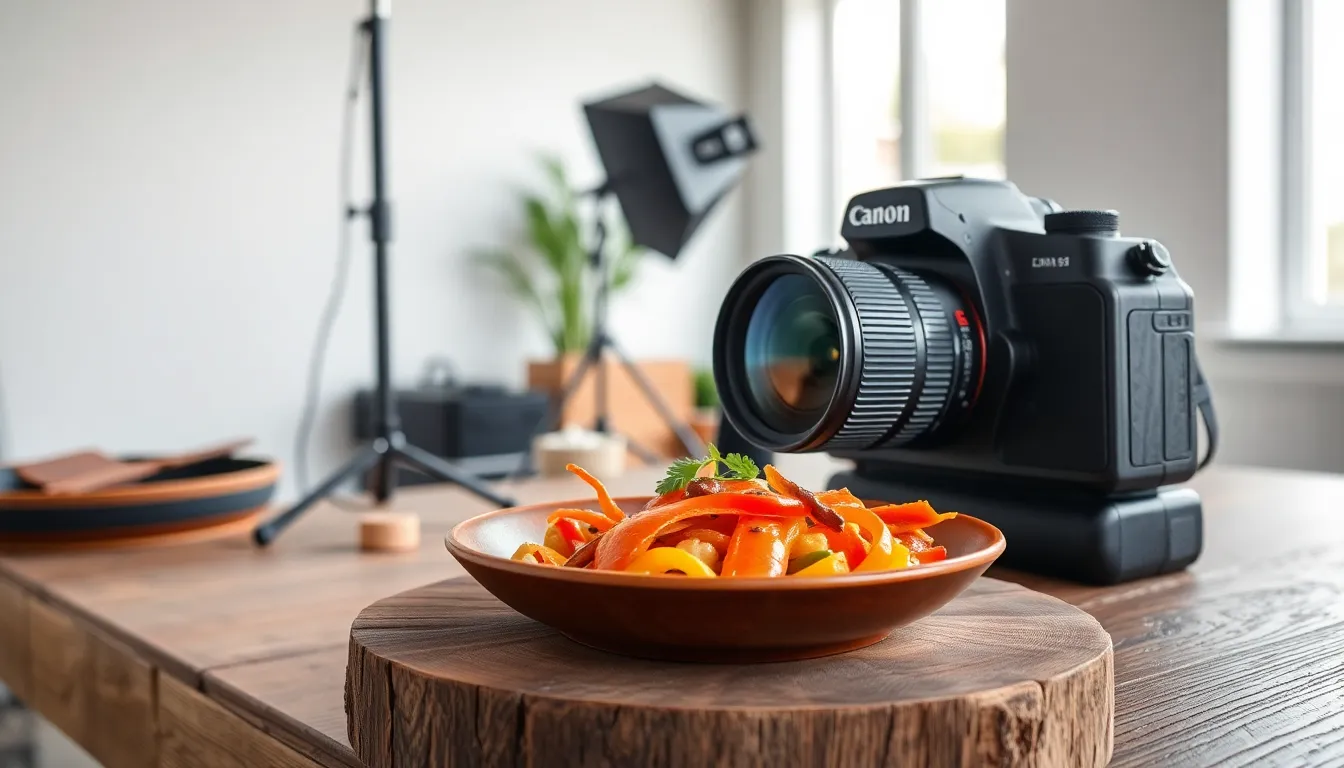
Having the right equipment significantly impacts the quality of food photography. Investing in essential tools ensures capturing mouthwatering images that attract viewers.
Cameras And Lenses
A quality camera is paramount for food photography. DSLRs or mirrorless cameras remain popular choices among photographers for their versatility and image quality. Full-frame sensors capture more detail and perform better in low light. Lenses also play a vital role; prime lenses provide sharper images and beautiful background blur. A 50mm or 85mm lens is often preferred due to its natural perspective. Macro lenses allow photographers to focus on intricate details, highlighting textures and ingredients. Opting for higher-quality equipment enhances the ability to convey the dish’s appeal effectively.
Lighting Solutions
Proper lighting transforms food photography by creating depth and enhancing colors. Natural light often yields the best results, so positioning near a window can illuminate dishes beautifully. Utilizing reflectors helps bounce light, preventing harsh shadows. Artificial lighting can supplement natural light, especially during darker months. Softboxes or ring lights provide even illumination and minimize glare. LED lights offer adjustable brightness and are energy-efficient. Choosing the right lighting solution is crucial for showcasing the visual allure of food.
Techniques For Capturing Stunning Food Photos
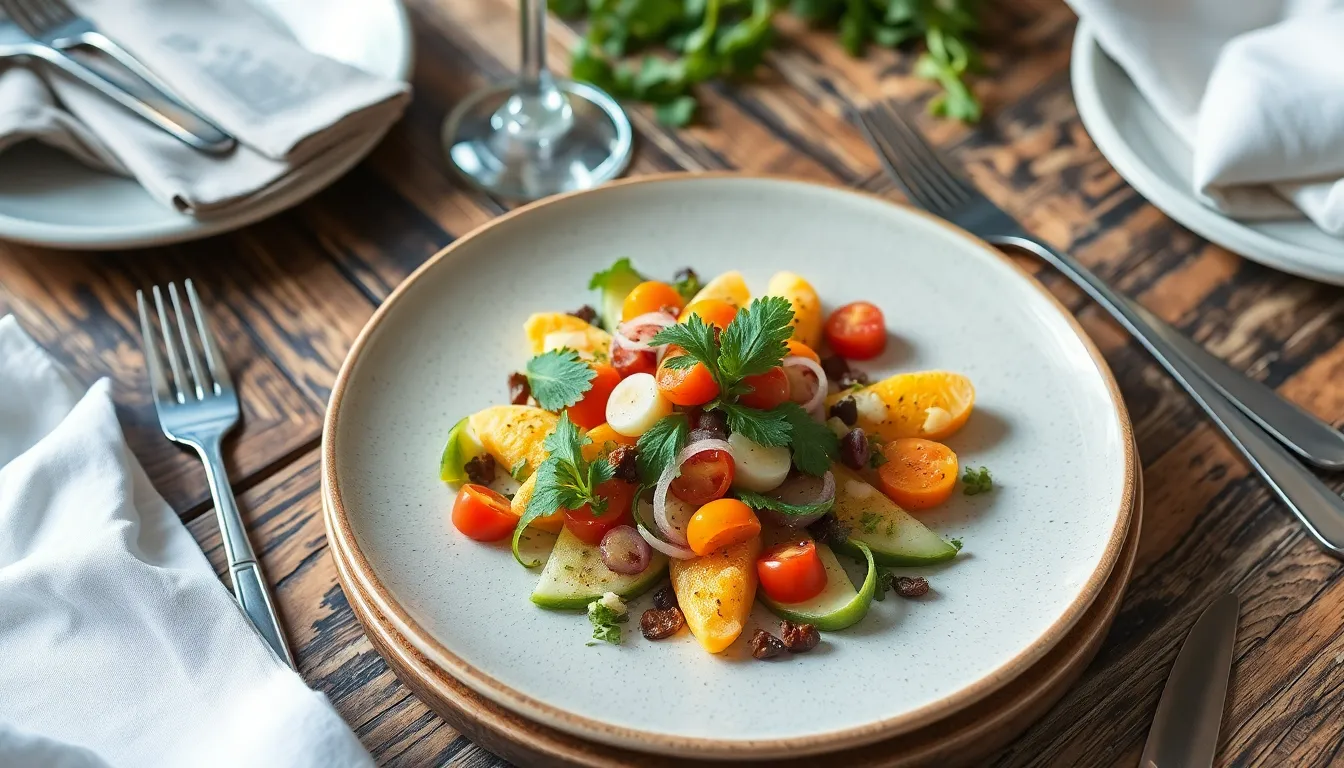
Captivating food photography hinges on several key techniques that enhance visual appeal and attract attention.
Styling And Composition
Styling plays an essential role in food photography. Colors, textures, and height variations create an engaging visual story. Use fresh ingredients to add vibrancy and contrast; greenery, for example, can enhance the overall aesthetic. Composition matters too; the rule of thirds helps frame the dish effectively. Capture images from various angles—flat lays work well for showcasing a table spread, while side shots highlight heights and layers. Additionally, props like utensils or textiles can complement the food without overshadowing it. Fresh elements paired with thoughtful arrangements draw viewers in and elevate the overall image.
Editing And Post-Processing
Editing refines food photos, enhancing their appeal. Programs like Adobe Lightroom and Photoshop help adjust exposure, contrast, and saturation, bringing images closer to their true beauty. It’s crucial to maintain authenticity—over-editing can lead to unrealistic representations of dishes. Focus on sharpening details; this emphasizes textures like crisp vegetables or moist cakes. Color correction brings harmony to the image, ensuring that the food looks appetizing. Lastly, cropping can remove distractions and focus attention on the dish. Effective post-processing transforms good photos into stunning visuals that entice potential clients.
Building Your Food Photography Portfolio
Constructing a compelling food photography portfolio requires careful curation of work that showcases skills and creativity. Begin by selecting a diverse range of dishes, ensuring each photograph highlights different techniques and styles. Focus on variety; include images of appetizers, main courses, desserts, and beverages to attract a broader audience.
Employ professional-quality images in the portfolio, emphasizing clarity and visual appeal. Capture each dish in natural lighting for authentic colors and textures. Consistency in style will help establish a recognizable brand identity; choosing similar backgrounds, props, and editing styles will unify the portfolio.
Adding captions or descriptions to each photo enhances engagement. Explain the story behind each dish or the technique used in capturing it. This approach lends insight into the photographer’s thought process and fosters a connection with the viewer.
Engage with potential clients and the food community by showcasing the portfolio on social media platforms. Instagram, Pinterest, and personal websites serve as effective channels for displaying work. Utilizing relevant hashtags and collaborating with food bloggers or restaurants can increase visibility.
Updating the portfolio regularly remains vital. Incorporating seasonal dishes and trending styles keeps the portfolio fresh and relevant. Continuous refinement, based on feedback from peers or clients, can further elevate the portfolio’s quality.
Participating in food photography competitions or exhibitions may also offer exposure opportunities. Receiving recognition can enhance credibility and attract new clients. Developing a strong online presence, along with an appealing portfolio, constitutes essential steps toward building a successful food photography business.
Marketing Your Food Photography Business
Marketing plays a pivotal role in establishing and promoting a food photography business. Leveraging various strategies effectively can enhance visibility and client engagement.
Social Media Strategies
Utilizing social media platforms is essential for food photographers. Instagram serves as a visual hub, allowing users to showcase portfolios through striking food images. Facebook provides opportunities for targeted advertising and interaction within food communities. Pinterest can drive traffic to personal websites by sharing captivating visuals linked to blogs or tutorials. Consistency in posting visually appealing content keeps audiences engaged and encourages sharing. Engaging with followers through comments or direct messages reinforces connections and builds a loyal fanbase.
Networking And Collaborations
Networking within the food industry opens doors to valuable opportunities. Attending food festivals and culinary events helps photographers meet potential clients and collaborators. Partnering with food bloggers often leads to cross-promotional benefits and broader reach. Establishing relationships with local restaurants can result in referrals and collaborations, enhancing visibility. Engaging with other professionals through online forums or groups fosters community support and knowledge sharing. These connections contribute not only to business growth but also to creative inspiration.
Conclusion
The food photography business offers a unique blend of creativity and technical skill that can lead to a fulfilling career. With the right approach to mastering techniques and building a strong portfolio, photographers can capture the essence of culinary delights.
Staying updated with trends and continuously enhancing skills ensures a competitive edge in this dynamic field. Effective marketing strategies and networking within the industry are crucial for attracting clients and growing a brand.
For those passionate about food and photography, this business presents endless opportunities to turn artistic vision into a profitable venture. Embracing the journey with enthusiasm and dedication can yield rewarding results in the world of food photography.