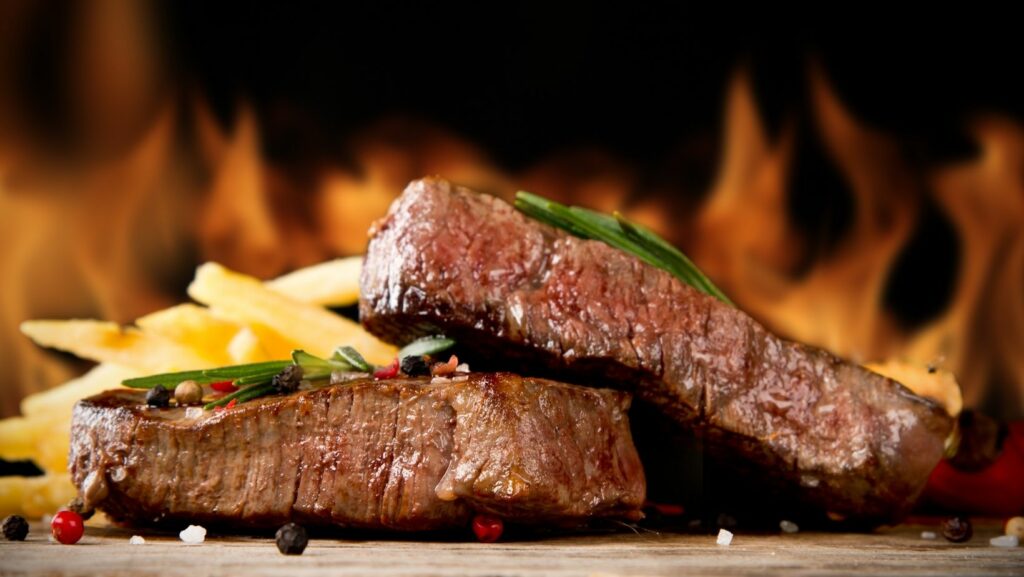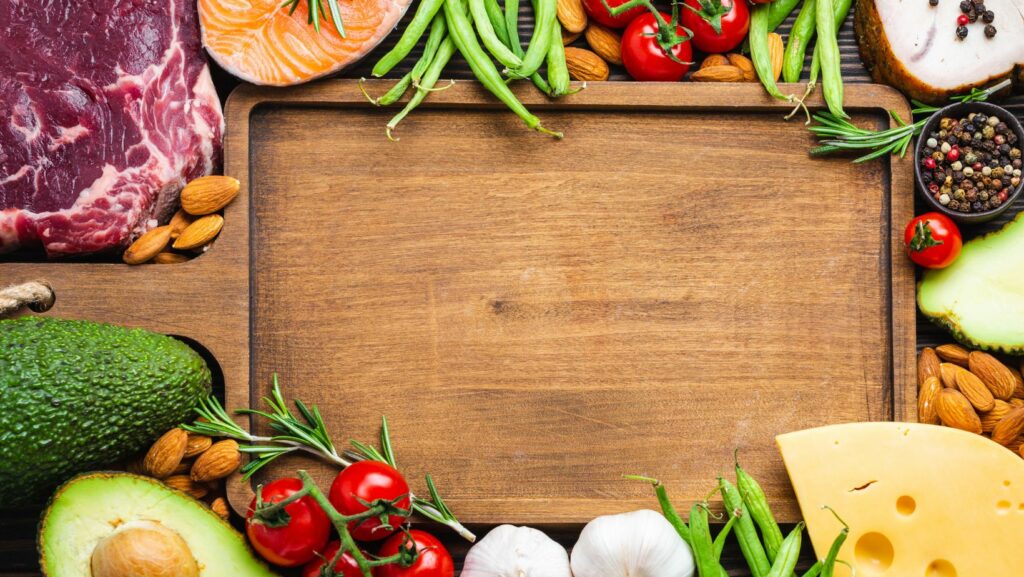
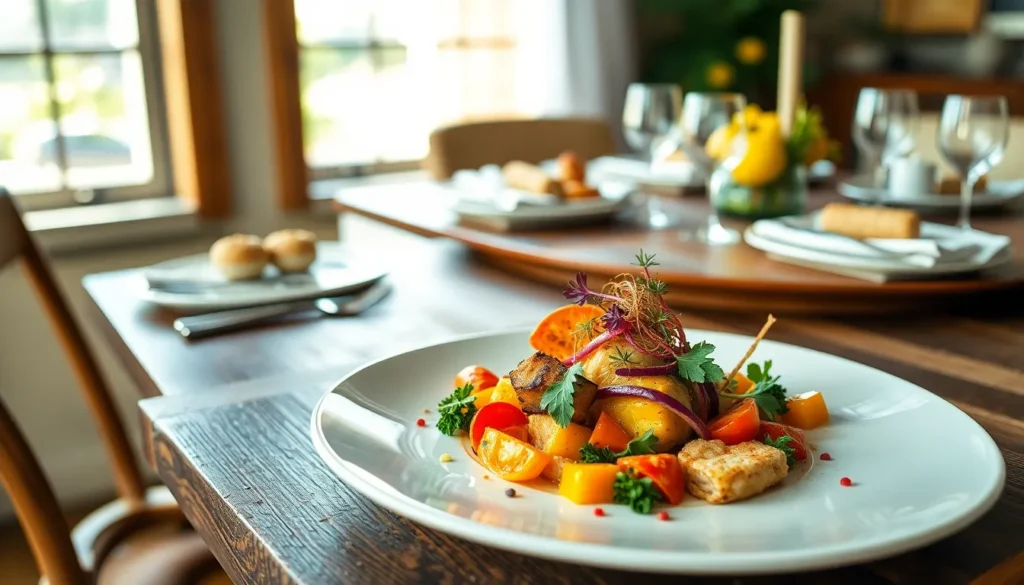

In a world where social media feeds are overflowing with mouthwatering dishes, chic food photography has become an art form. It’s not just about snapping a quick pic of that avocado toast; it’s about creating a visual feast that leaves viewers drooling and clicking “like” faster than you can say “foodie.” With the right techniques, anyone can elevate their food shots from mundane to magazine-worthy.
What Is Chic Food Photography?
Chic food photography showcases culinary creations with style and elegance. This photography genre elevates food beyond mere sustenance, turning it into an art form that stimulates the senses. Photographers focus on composition, lighting, and color to create images that evoke emotion and invite viewers to savor the experience visually.
Attention to detail is paramount in chic food photography. Each element, from the dishware to the garnish, plays a vital role in the overall aesthetic. Selective backgrounds and props often complement the food, enhancing the visual story and creating a cohesive look. The arrangement of food can emphasize texture and form, making the image more appealing.
Lighting techniques significantly impact the mood of food images. Natural light, when used effectively, provides a soft glow that highlights colors and details without harsh shadows. Artificial light sources can also create dramatic effects, adding depth and contrast to the photographs.
Color palettes frequently guide the viewer’s experience. Warm hues can elicit comfort, while cooler tones lend sophistication. Consistently using a defined color scheme throughout a series of images fosters a signature style that builds brand identity for chefs or food bloggers.
A focus on storytelling enhances chic food photography. Capturing a moment, such as a person savoring a dish or hands reaching for a meal, invites emotional engagement. Combining these elements creates images that appeal to both aesthetics and the viewer’s desire for connection.
Choosing the right angle adds variety to food photography. Overhead shots can capture the entirety of a dish, while close-ups highlight intricate details. By experimenting with perspectives, photographers can discover unique ways to represent food, turning a simple meal into an enticing visual masterpiece.
Essential Elements of Chic Food Photography

Chic food photography combines artistry and technique to showcase culinary creations. Several key components contribute to an eye-catching image, enhancing the overall appeal.
Composition Techniques
Effective composition forms the backbone of stunning food photography. Using the rule of thirds helps create balanced images, drawing viewers’ attention to the main subject. Placing elements off-center allows for natural flow. Negative space brings focus to the food, creating a minimalist aesthetic. Using leading lines directs the viewer’s gaze toward the dish. Surrounding food with supporting elements, such as utensils or ingredients, adds context and depth. Additionally, varying angles—like overhead shots or close-ups—brings freshness to each photo.
Styling Tips
Styling transforms simple dishes into visual masterpieces. Selecting the right props enhances the overall narrative, providing texture and contrast. Choosing complementary colors emphasizes the food’s vibrancy. Plates and bowls should suit the dish’s theme; rustic ceramics for comfort foods or sleek glass for elegant presentations. Fresh herbs or garnishes can elevate the visual appeal and provide a pop of color. In addition, layering textures invites interest; using woven tablecloths or wooden boards adds dimension to the scene.
Lighting Considerations
Lighting plays a pivotal role in chic food photography. Natural light often yields the best results, creating a soft, inviting atmosphere. Positioning the dish near a window maximizes the light, enhancing the food’s colors and details. Avoiding harsh shadows can keep the focus on the subject. Softboxes or reflectors can help mimic natural light indoors, providing a balanced exposure. Experimenting with the time of day offers different moods; golden hour brings warmth while midday light is bright and crisp. Remember, the right lighting can transform an ordinary meal into an extraordinary image.
Popular Trends in Chic Food Photography

Chic food photography thrives on aesthetic choices that reflect current trends. Two significant areas shaping this visual art form are color palettes and prop selection.
Color Palettes
Vibrant color palettes enhance food imagery by evoking emotions and creating visually appealing compositions. Bold, contrasting colors often draw attention, while muted tones can convey elegance. Earthy hues paired with fresh ingredients suggest organic and wholesome vibes. Seasonal colors, like autumnal reds and warm oranges, can create a cozy atmosphere. Combining complementary colors adds a striking element, encouraging viewers to engage more deeply. Ensuring color consistency across various dishes helps maintain a unified aesthetic, making food presentations feel curated and intentional.
Prop Selection
Thoughtful prop selection elevates chic food photography by adding layers of meaning and context. Natural materials, such as wood and ceramics, bring warmth and authenticity to images. Elegant flatware can enhance visual storytelling and highlight the dining experience. Textures, like linen napkins or textured surfaces, introduce depth to compositions. Choosing props that complement the dish, rather than overpowering it, keeps the focus on the food. Seasonal or thematic props, reflecting cultural elements or events, enrich the narrative. Ultimately, strategic prop use helps create compelling images that resonate with viewers.
Tips for Capturing Chic Food Photography
Capturing chic food photography requires attention to detail and a keen eye for aesthetics. By mastering specific techniques, photographers can elevate their food images significantly.
Camera Settings
Adjusting camera settings is essential for achieving clarity and vibrancy. Set the aperture between f/2.8 and f/5.6 to create a pleasing depth of field, which helps the subject stand out. Use a low ISO setting, around 100 to 400, to avoid graininess. Opt for a shutter speed of 1/125 or faster to freeze motion when necessary. Focus on the food rather than the background to keep the image sharp. Experimenting with these settings can yield striking results that capture the essence of the dish.
Post-Processing Techniques
Post-processing enhances the final output, making images pop. Utilize software tools like Lightroom or Photoshop for adjustments. Start by correcting exposure and contrast to bring out colors. Adjust saturation to make hues vibrant without appearing unnatural. Cropping can improve composition, allowing for a tighter focus on the food. Applying subtle filters can unify color tones and add style. These techniques refine the image and can transform a good photograph into a standout masterpiece.
Conclusion
Chic food photography is a powerful medium that transforms everyday meals into stunning visual narratives. By mastering essential techniques like composition and lighting, anyone can elevate their food imagery to new heights. Embracing trends in color palettes and thoughtful prop selection adds depth and context to each shot.
With practice and creativity, photographers can capture not just food but the emotions and stories behind every dish. Whether for personal enjoyment or social media engagement, chic food photography invites viewers to experience culinary artistry in a whole new way. The journey to creating visually captivating images is rewarding and inspires others to appreciate the beauty of food.