

Imagine transforming your kitchen into a fragrant spice bazaar without ever leaving your home. DIY spices are not just a fun project; they’re a way to elevate your culinary game to a whole new level. Why settle for bland when you can create your own signature blends that will have your taste buds dancing like nobody’s watching?
Understanding DIY Spices
Creating DIY spices transforms a kitchen into a flavorful haven. Making spice blends allows for personalized flavor profiles that enhance culinary creations.
What Are DIY Spices?
DIY spices refer to homemade seasoning blends crafted from various herbs and spices. These blends often combine common ingredients like garlic powder, paprika, and black pepper. Chefs and home cooks enjoy experimenting with different combinations to suit specific dishes. For instance, curry powder includes turmeric, cumin, and coriander. Each DIY blend offers unique tastes, offering versatility for a wide range of recipes.
Benefits of Making Your Own Spices
Making homemade spices provides numerous advantages. Freshly concocted blends guarantee higher quality and flavor compared to store-bought alternatives. Customization allows for adjustments based on personal preferences or dietary needs. Furthermore, preparing DIY spices often proves cost-effective compared to purchasing pre-packaged options. Nourishing creativity flourishes through experimenting with ingredients, leading to culinary innovation. Additionally, control over additives and preservatives ensures healthier choices in cooking.
Essential Tools for DIY Spices
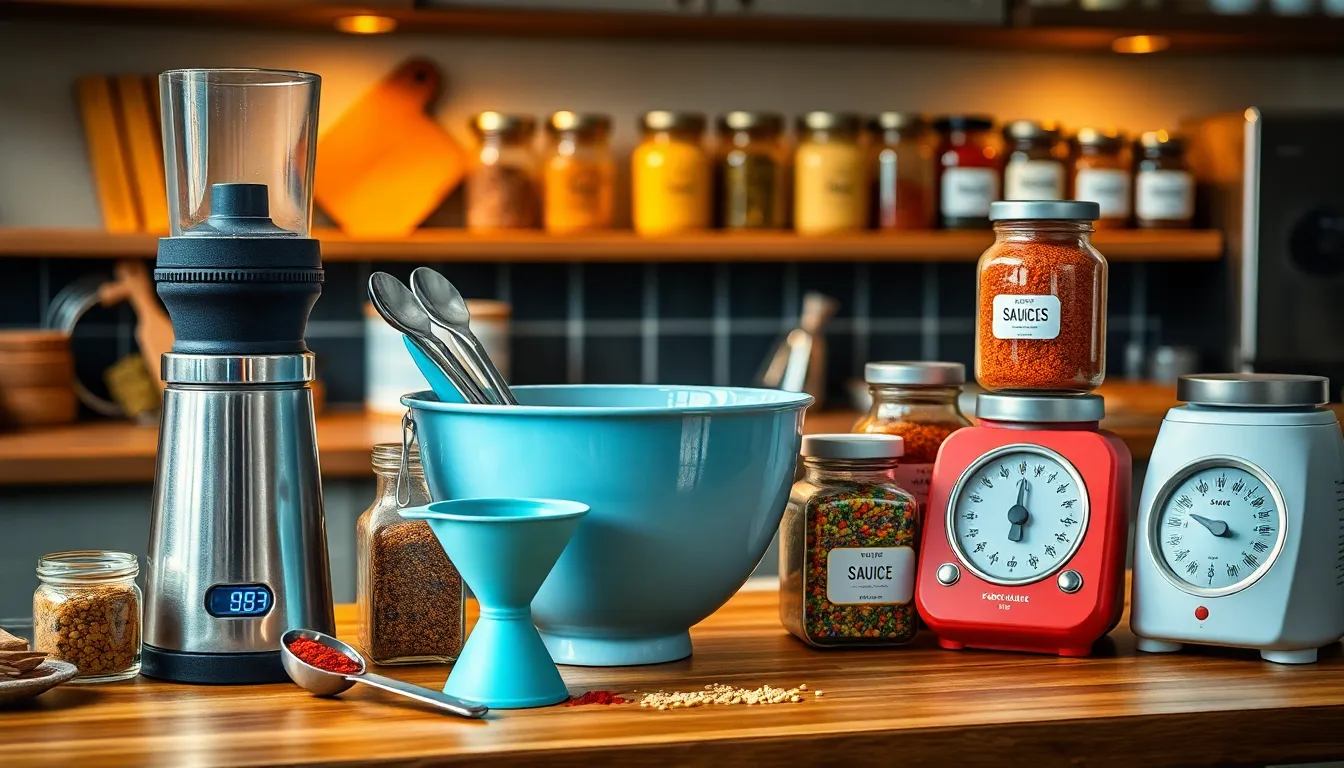
Creating DIY spices involves specific tools that streamline the process. Using the right equipment and containers enhances the experience.
Must-Have Equipment
Essential equipment includes a spice grinder, which transforms whole spices into fine powders. A measuring spoon set ensures precise quantities for consistent flavors. Utilizing a mixing bowl aids in combining various spice elements effectively. A funnel simplifies transferring spice mixtures into containers without mess. Lastly, a digital scale allows for accurate measurement of larger batches, ensuring consistency in every creation.
Recommended Containers
Choosing the right containers preserves the freshness of DIY spices. Glass jars are optimal, offering airtight seals and transparency for easy identification. Spice tins with clear lids provide functionality while maintaining visibility of contents. Using labeled containers helps in organizing spices and tracking usage dates. Lastly, consider dark containers that protect against light exposure, preserving the quality of spices for longer periods.
Popular DIY Spice Recipes
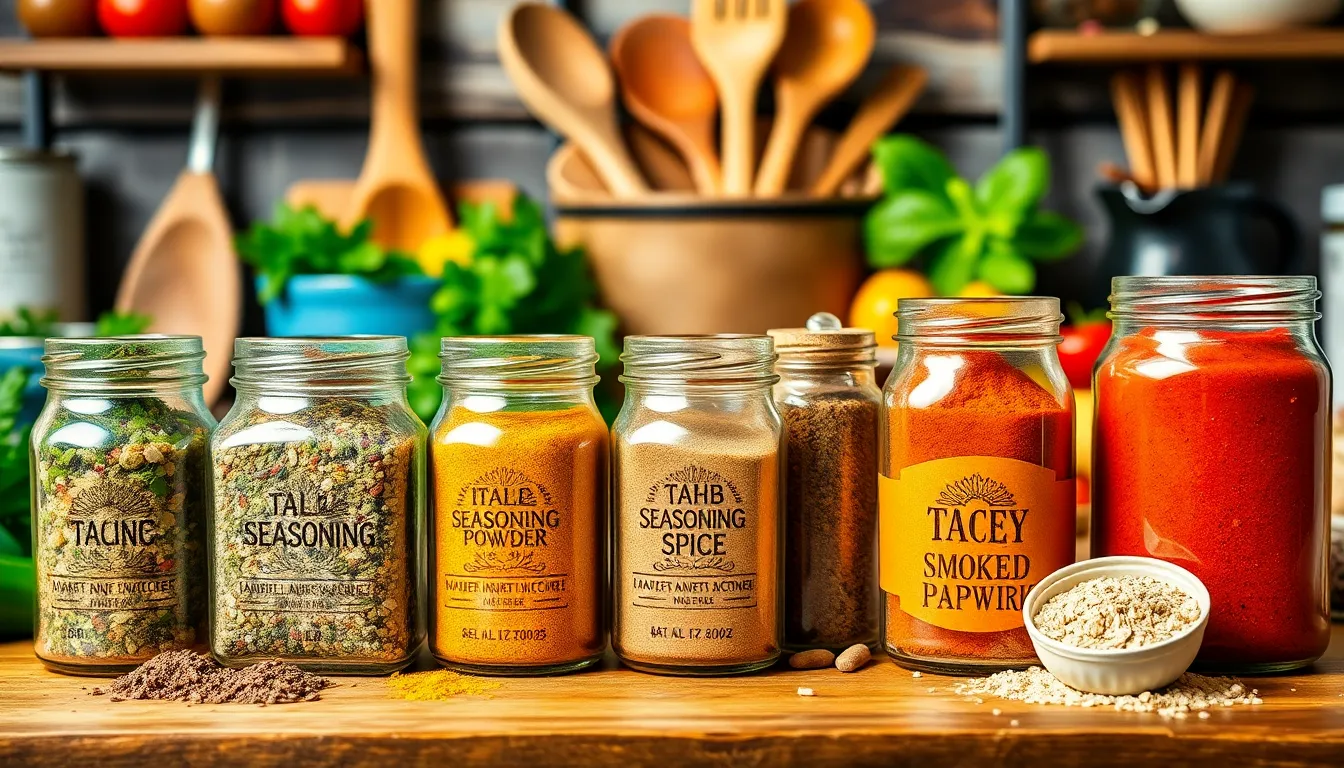
Exploring popular DIY spice recipes can inspire creativity in the kitchen. These recipes enable unique flavors for various dishes.
Spice Blends to Try
- Italian Seasoning: Combine equal parts of dried basil, oregano, thyme, and rosemary for an aromatic blend perfect for pasta sauces.
- Taco Seasoning: Mix chili powder, cumin, garlic powder, onion powder, and paprika to create a zesty seasoning that complements tacos and burritos.
- Curry Powder: Use turmeric, cumin, coriander, and fenugreek for a spice mix that adds warmth and depth to curries and stews.
- Pumpkin Pie Spice: Blend cinnamon, nutmeg, ginger, and allspice for a delightful addition to pies, lattes, and baked goods.
Unique Single Spices
- Smoked Paprika: This spice imparts a rich, smoky flavor, enhancing meat dishes or vegetable roasts.
- Sumac: Featuring a tangy lemony taste, sumac elevates salads, grilled meats, and even popcorn.
- Ground Cardamom: With its distinct, floral aroma, cardamom works well in both sweet and savory dishes, such as desserts and curries.
- Za’atar: A Middle Eastern spice blend made from thyme, sesame seeds, and sumac, za’atar adds a nutty, fresh taste to oils or breads.
Tips for Effective Spice Making
Creating DIY spices involves simple yet impactful steps. Focus on quality ingredients and proper storage to achieve flavorful and lasting spice blends.
Choosing Quality Ingredients
Select fresh herbs and whole spices to enhance flavor potency. Involve seasonally sourced items for the best quality. Look for vibrant colors and strong aromas, as these indicate freshness. Purchase from local suppliers or specialty stores to ensure higher standards. Grinding whole spices right before use yields maximum flavor potential. Explore organic options to avoid additives and pesticides. Check ingredient labels to ensure no fillers are included. Prioritize sourcing from trusted brands that focus on quality assurance. Freshly toasted spices can significantly elevate the overall taste.
Proper Storage Techniques
Utilize airtight containers to maintain spice freshness. Dark glass jars prevent light exposure, which can degrade quality. Store spices in a cool, dry place to avoid moisture, which creates clumping. Label containers with names and dates to keep track of freshness. Rotate older blends to ensure spices are used before they lose potency. Avoid storing spices above the stove, where heat can accelerate deterioration. Reseal containers tightly after each use to minimize air exposure. Periodically check for any signs of spoilage, such as loss of aroma or color.
Creative Ways to Use DIY Spices
DIY spices offer versatility in culinary applications. Using these blends elevates flavors in both cooking and baking.
In Cooking and Baking
Cooks often enhance dishes with DIY spices, tailoring flavors to fit personal preferences. Italian seasoning brightens pasta sauces, while taco seasoning adds zest to meats and veggies. For baked goods, pumpkin pie spice brings warmth to desserts. Seasoning blends can spotlight specific ingredients, like smoked paprika on roasted vegetables. Custom spice mixes encourage experimentation, allowing chefs to create signature dishes that impress guests. Each blend amplifies the dish’s natural flavors, making meals memorable.
In Homemade Gifts
DIY spices serve as delightful homemade gifts. Presenting personalized spice jars showcases creativity and thoughtfulness. Recipients appreciate unique blends tailored to their culinary tastes. Packaging spices in attractive containers enhances the overall appeal. Spice mixes offer versatility, suiting different cooking styles or favorite cuisines. Including a recipe card with usage suggestions adds a special touch. Such gifts not only share flavors but also inspire cooking adventures, creating lasting memories in the kitchen.
Conclusion
Creating DIY spices is a rewarding journey that brings personal flair to every dish. By experimenting with unique blends and quality ingredients, cooks can unlock a world of flavor while ensuring healthier meals. With the right tools and storage methods, homemade spices can enhance culinary creations and elevate cooking experiences.
Moreover, these spice blends offer an opportunity for creativity and innovation in the kitchen. Whether for personal use or as thoughtful gifts, DIY spices can inspire culinary adventures that delight the senses. Embracing this craft not only enriches meals but also fosters a deeper connection to the art of cooking.