


Traveling isn’t just about the sights; it’s about the bites! Imagine savoring a plate of steaming pasta in Italy or indulging in spicy street tacos in Mexico. Traditional dishes abroad offer a delicious passport to culture, history, and the quirks that make each destination unique.
Overview of Traditional Dishes Abroad
Exploring traditional dishes abroad reveals unique flavors and cooking methods that reflect each region’s cultural identity. One can find vibrant markets in Thailand, where street vendors serve aromatic pad thai and spicy green curry. Authentic French cuisine shines through rich boeuf bourguignon and delicate ratatouille, offering a taste of history and artistry.
To sample India’s diversity, travelers often enjoy spicy biryani and flavorful samosas, which highlight regional ingredients and spices. Each dish tells a story, connecting people to their heritage and landscape. Notably, sushi in Japan emphasizes fresh seafood, showcasing meticulous preparation and presentation.
In Spain, tapas encourage communal dining, allowing people to savor various small plates like patatas bravas and jamón ibérico. Brazil’s feijoada serves as a hearty reminder of the country’s colonial past, blending African, Portuguese, and Indigenous influences into a beloved national dish. Each cuisine not only satisfies hunger but also fosters an appreciation for local customs.
Travelers encounter the basics of traditional dishes that often merge historical significance with contemporary tastes. Discovering these culinary treasures creates lasting memories. Engaging with local dining traditions, whether through bustling street food stalls or family-run restaurants, enhances the overall travel experience. Each bite gains significance as an expression of regional pride and creativity.
Regional Specialties
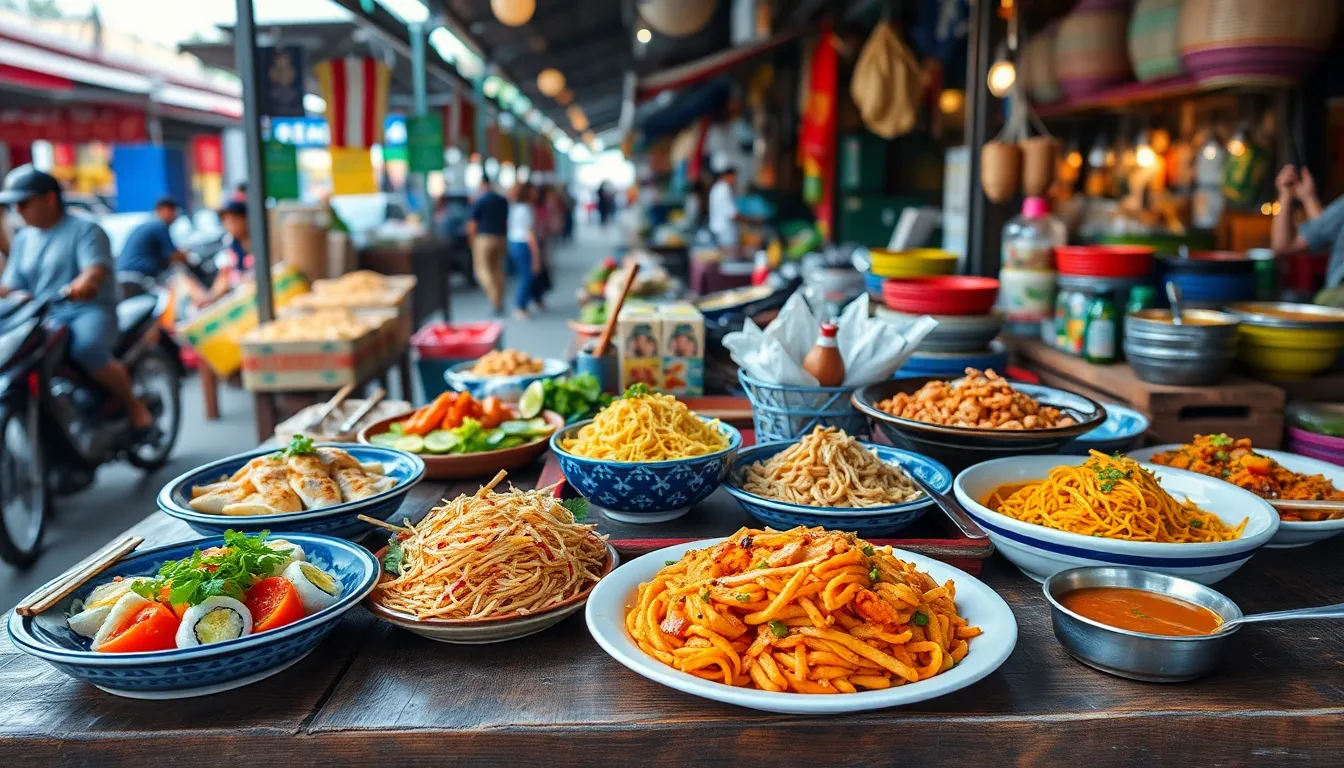
Exploring regional specialties offers a deeper connection to local cultures through cuisine. Each region brings unique flavors and traditions to the table.
Asian Delicacies
Southeast Asia boasts vibrant street food scenes. Pad Thai, with its sweet and savory combination, stands out in Thailand. Vietnamese pho, aromatic and hearty, warms both body and soul. In Japan, sushi reflects precision in its presentation, highlighting fresh seafood. Indian curry presents a complex blend of spices, each varying by locality, showcasing cultural diversity across the nation. Every dish emphasizes the importance of ingredients sourced locally, creating memorable and authentic dining experiences.
European Cuisine
Europe offers diverse culinary experiences steeped in history. Italy shines with pasta dishes like carbonara and pesto. France captivates with its rich sauces and staple dishes such as coq au vin. In Spain, tapas encourage sharing and socializing over small plates of jamón and patatas bravas. Greece embraces fresh ingredients in its moussaka and spanakopita, highlighting traditional Mediterranean flavors. Every meal connects food with culture, enhancing the culinary journey through its heritage.
Latin American Favorites
Latin America bursts with zest in its traditional fare. Tacos, especially in Mexico, vary widely, featuring fresh ingredients and bold flavors. Brazilian feijoada, a hearty black bean stew, reflects the country’s blend of cultures. In Argentina, asado showcases barbecue traditions that are celebrated among friends and family. Peru stands out with ceviche, expertly prepared with lime and local fish. Each dish carries stories of ancestry and pride, inviting travelers to savor every bite.
Cultural Significance

Food serves as a crucial element in understanding cultural values and heritage. Traditional dishes represent history and identity for many communities.
Food and Tradition
Cooking practices reflect a community’s history, beliefs, and social values. Traditional recipes often pass down through generations, preserving unique techniques and flavors. In Italy, pasta-making is an art form that unites families during gatherings. Cuisines like sushi in Japan focus on fresh ingredients and meticulous preparation, showcasing a deep respect for nature. Street tacos in Mexico highlight local ingredients while fostering a sense of identity and belonging. Each dish encapsulates stories and experiences, connecting individuals to their cultural roots.
Festivals and Celebrations
Many festivals prominently feature traditional dishes, bringing communities together in celebration. For instance, Diwali in India is incomplete without sharing sweets like gulab jamun. Oktoberfest in Germany celebrates beer and hearty sausages, creating camaraderie among attendees. Local customs often dictate the types of food served during these events. Thanksgiving in the United States highlights turkey and pumpkin pie, symbolizing gratitude and family unity. Festivals not only honor food but also strengthen bonds and create lasting memories among participants.
Cooking Methods and Ingredients
Exploring traditional dishes reveals diverse cooking methods and local ingredients that shape each cuisine. Unique flavors arise from regional produce and techniques passed down through generations.
Local Ingredients Used
Local ingredients define cuisine and shape each dish’s identity. Fresh seafood plays a vital role in coastal regions, particularly in Japan with sushi and Vietnam using fish sauce. In India, spices like cumin and turmeric enhance flavor in every curry. Italy celebrates seasonal produce in pasta dishes, with sun-ripened tomatoes and aromatic basil. Countries such as Mexico showcase native ingredients like corn, beans, and chilies in tacos and mole. Emphasizing local ingredients fosters authenticity, celebrating the region’s agricultural heritage while honoring traditional recipes.
Traditional Cooking Techniques
Cultural identity emerges through traditional cooking techniques. In Thailand, stir-frying and steaming highlight fresh ingredients, creating balance in flavors. Slow-cooking methods feature prominently in Brazilian feijoada, allowing flavors to meld over time. Roasting and baking bring out natural sweetness, seen in French cuisine with ratatouille. Grilling, especially in Argentina, offers a communal experience, where meat is central to family gatherings. Understanding these techniques enriches appreciation for the dishes and the stories behind them, showcasing culinary diversity across borders.
Personal Experiences
Traveling abroad brings unique culinary encounters that enrich experiences. Many travelers share stories of enjoying traditional dishes that connect them deeply to local cultures.
Travel Stories
Exploring vibrant street food markets in Bangkok often leads to discovering authentic pad thai. Tourists recount the excitement of visiting a family-run trattoria in Florence to savor homemade pasta. Unforgettable memories frequently stem from enjoying fresh sushi in a Tokyo izakaya, where each bite highlights local craftsmanship. Furthermore, travelers share delight in finding hidden gems, such as a small taqueria in Mexico City serving mouthwatering street tacos. Each journey offers a canvas of flavors, providing insight into the soul of each destination.
Memorable Meals
Meals become memorable when they offer more than just nourishment. Dining on rich boeuf bourguignon in a cozy Parisian bistro immerses visitors in French culinary tradition. Savoring spicy biryani at a bustling food stall in Delhi showcases India’s vibrant flavors. Gastronomic adventures in Spain often revolve around sharing tapas with friends, creating a communal dining experience. In addition, enjoying a traditional Brazilian feijoada during a local festival fosters connections to the region’s cultural history. Each dish tells a story and contributes to unforgettable travel experiences.
Conclusion
Experiencing traditional dishes abroad goes beyond mere sustenance. It’s about immersing oneself in the rich tapestry of local cultures. Each meal tells a story reflecting the history and identity of a place. Whether it’s the communal joy of sharing tapas in Spain or the intricate preparation of sushi in Japan, these culinary experiences foster a deeper connection to the destination.
Travelers often find that sharing a meal can create lasting memories and friendships. As they savor the flavors of a region, they also embrace its traditions and values. This exploration of food not only enhances their journey but also enriches their understanding of the world. Embracing local cuisine is truly a gateway to cultural appreciation and unforgettable adventures.