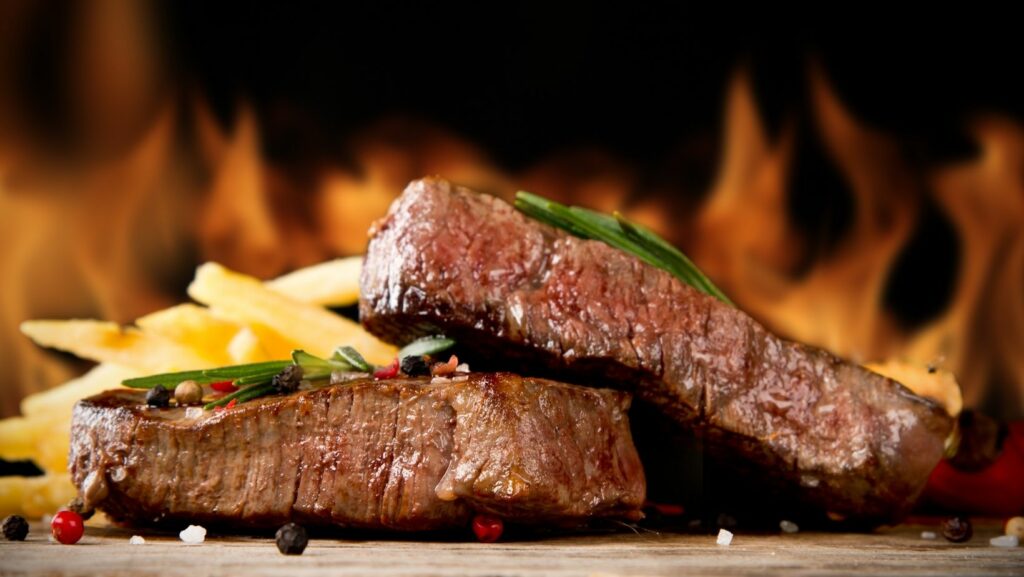


Food styling isn’t just about making dishes look pretty; it’s a delicious art form that can turn a mundane meal into a feast for the eyes. Picture this: a perfectly drizzled sauce, vibrant colors dancing on the plate, and that one sprig of parsley that’s just begging for its close-up. It’s like giving your food a makeover before it hits the Instagram runway.
What Is Food Styling?
Food styling refers to the art of presenting food in an aesthetically pleasing manner. It involves various techniques that enhance the visual appeal of meals, ensuring that they appear appetizing and inviting. Attention to detail plays a vital role in creating stunning dishes that catch the eye.
Techniques in food styling include the use of color contrasts, strategic arrangement, and thoughtful garnish selections. Colors impact how people perceive food, with vibrant hues often drawing more attention. Various garnishes like herbs or edible flowers add finishing touches that elevate dishes visually.
The plating process comprises multiple elements such as texture, shape, and portion size. Texture matters; incorporating different textures can create depth. Shapes can also influence perception; curved lines often evoke feelings of comfort, while angular presentations signal modernity.
Lighting significantly affects the final outcome of food styling. Natural light enhances colors and textures, making food look fresher. Soft shadows can add dimension, while harsh lighting might detract from the overall appeal.
Food stylists often use props and backgrounds to complement the food. Selecting dishes, utensils, and linens that align with the meal’s theme becomes essential. These elements provide context and can enhance storytelling through imagery.
In recent years, the rise of social media has increased the importance of food styling. Visually appealing images are more likely to be shared, making engaging food presentation a valuable skill for chefs and home cooks alike. Mastering food styling can transform everyday meals into impressive culinary creations that leave a lasting impression.
The Importance of Food Styling
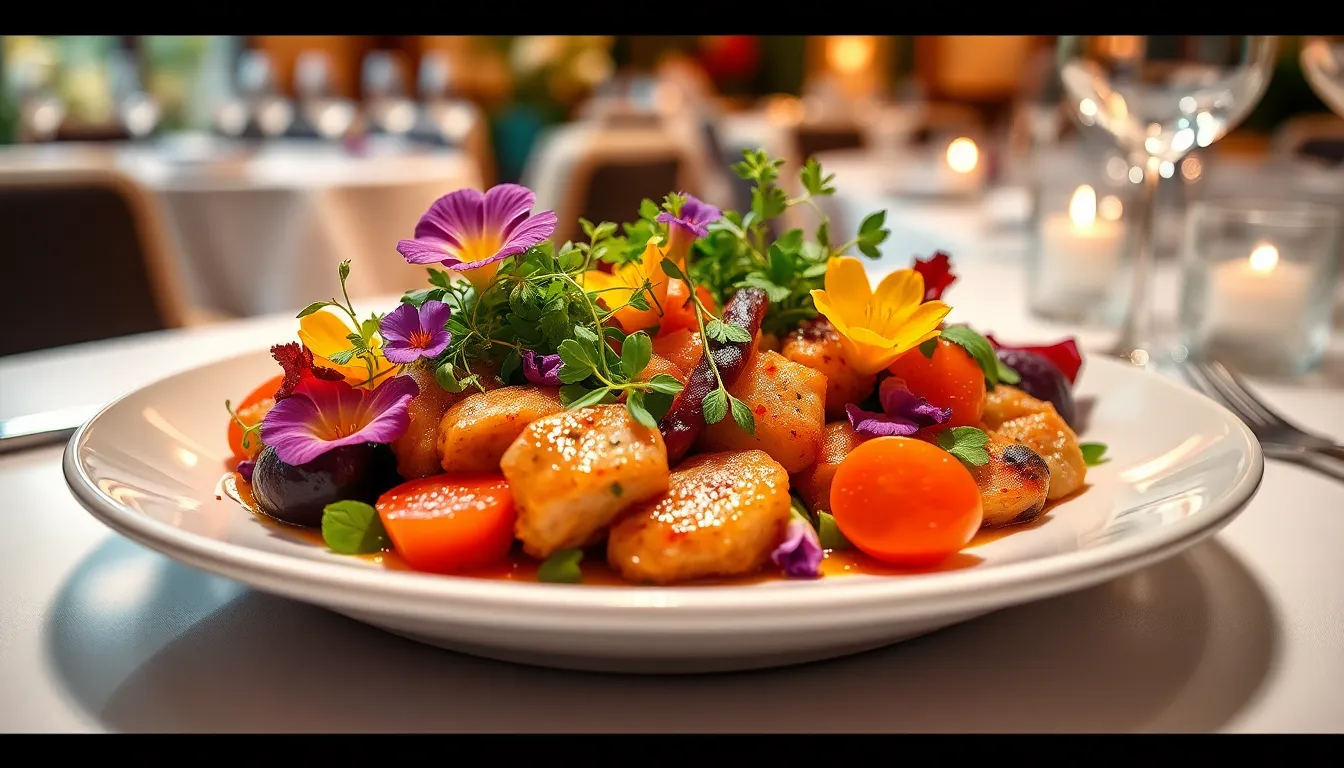
Food styling holds significant value in both culinary art and consumer engagement. Effective presentation can elevate a dish and attract attention.
Enhancing Visual Appeal
Visual appeal serves as a key component in food styling. Using color contrasts grabs attention and entices viewers. Plating techniques include strategic arrangement that highlights the dish’s best features. Vivid garnishes such as herbs or edible flowers provide additional flair. Textures play an important role in creating depth, while the shape of the plate can influence perception. Each element contributes to a dish’s overall aesthetic, making it more inviting and memorable.
Influencing Consumer Behavior
Consumer behavior often correlates with food presentation. Studies indicate that visually appealing dishes can lead to increased sales. First impressions matter; eye-catching meals capture potential buyers’ interest. When food looks good, it creates an emotional connection. Social media platforms amplify this effect, as enticing images lead to shares and engagement. Engaging presentation transforms a dish from ordinary to extraordinary, making it essential in contemporary dining experiences.
Techniques and Tools for Food Styling
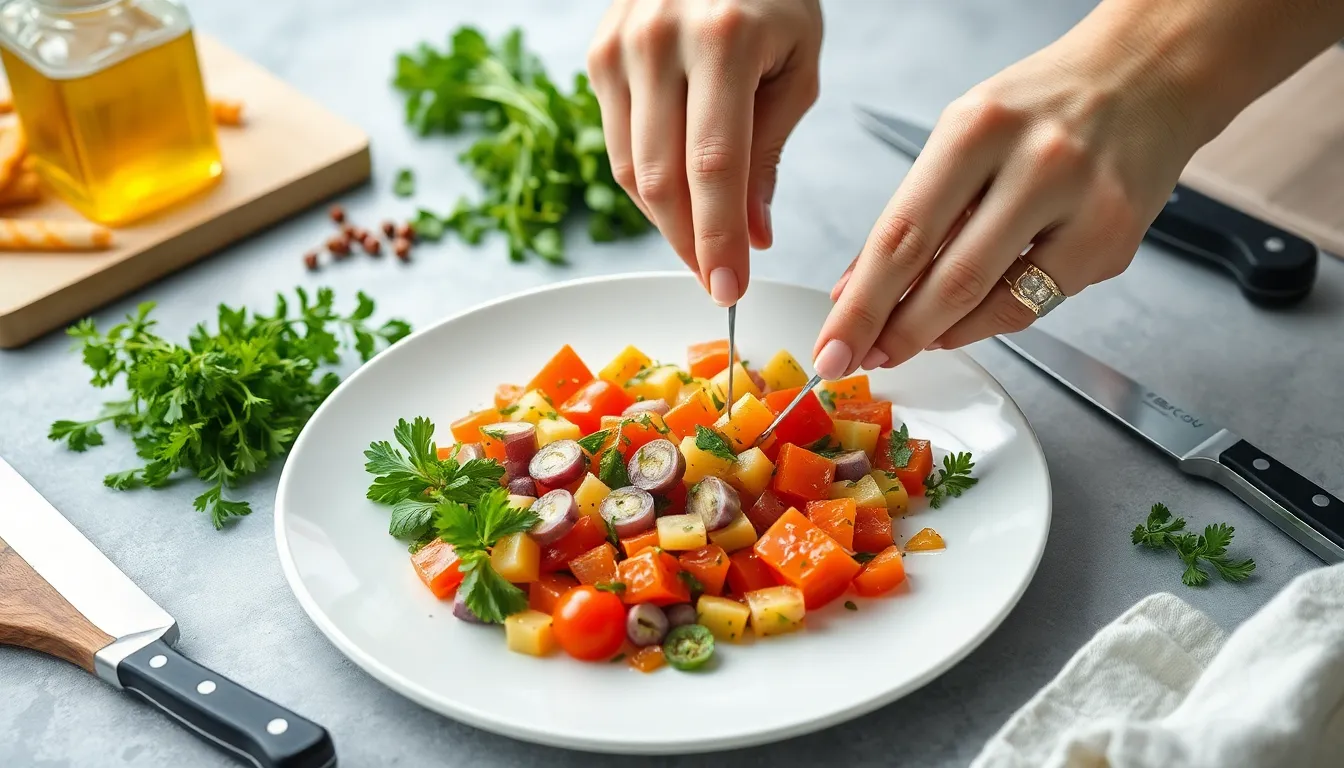
Food styling incorporates various techniques and tools to enhance visual appeal. Understanding these elements elevates presentation quality.
Basic Principles of Food Styling
Key principles guide effective food styling. Utilize contrasting colors to create visual interest. Arranging food in an appealing manner showcases portions and textures. Considering height adds dimension, while negative space prevents clutter. Selecting garnishes such as fresh herbs or microgreens enhances color and freshness. Texture variety plays a crucial role; combining crunchy and creamy elements creates a dynamic look.
Essential Tools and Props
Several tools streamline the food styling process. A sharp knife ensures clean cuts, while tweezers offer precision when placing small garnishes. Use a food injector for adding sauces artistically, enhancing sauces’ visual impact. Different platters and serving ware provide context and elevate style; choose plates that complement the dish without overpowering it. Additional props like cloths, cutting boards, and backdrops help frame the food, creating a complete composition. Opting for natural light leads to better color representation, vital for appealing food images.
Trends in Food Styling
Food styling trends continue to evolve, showcasing creativity and innovation. Minimalist approaches emphasize simplicity, allowing the food to shine without distractions. Clean backgrounds and strategic use of negative space create a sense of elegance. Neutral colors provide a calm backdrop while highlighting the dish’s vibrant hues. Focusing on fewer elements draws attention to texture and form, ensuring that each component has significance.
Cultural influences also shape food styling trends, reflecting diversity in cuisines and practices. Traditional plating methods often undergo modern reinterpretations while preserving cultural significance. Each culture’s unique ingredients and presentation styles lend authenticity to dishes. For instance, Asian cuisines frequently incorporate vibrant colors and intricate garnishes, creating visually stunning presentations. Meanwhile, Mediterranean styles may favor rustic arrangements, using natural light to enhance freshness. These influences enrich the visual narrative, inviting food enthusiasts to explore global flavors through engaging presentations.
Conclusion
Food styling is more than just making dishes look good; it’s about creating an experience that captivates the senses. By mastering the art of presentation, individuals can turn ordinary meals into visual delights that resonate with audiences. The techniques discussed not only enhance the aesthetic appeal but also influence how food is perceived and enjoyed.
As culinary trends evolve, food styling continues to play a pivotal role in connecting people with their meals. Whether through minimalist designs or culturally inspired presentations, the creativity involved invites everyone to explore and appreciate the beauty of food. Embracing food styling can elevate everyday cooking into an extraordinary journey, making each meal a feast for the eyes as well as the palate.