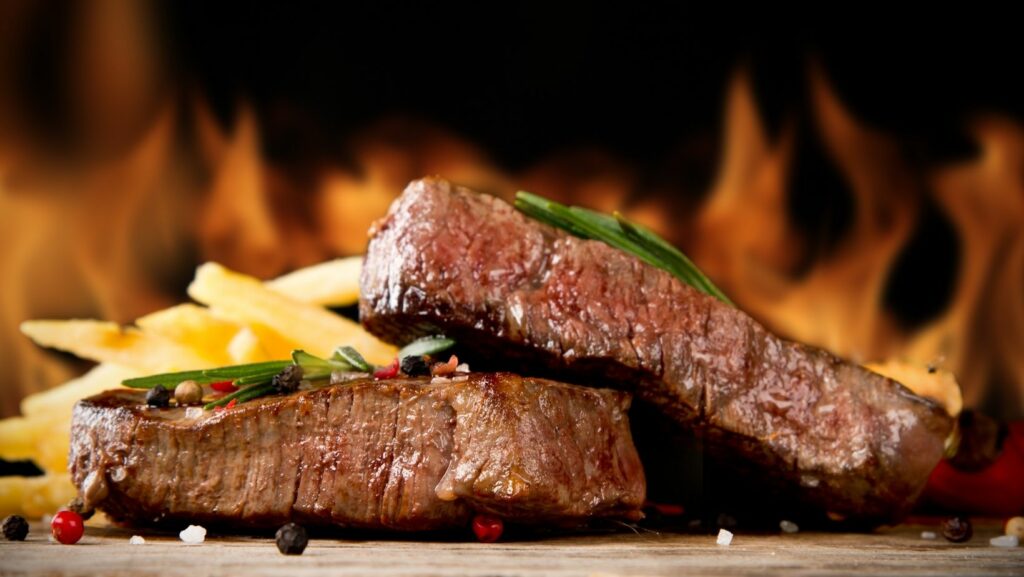
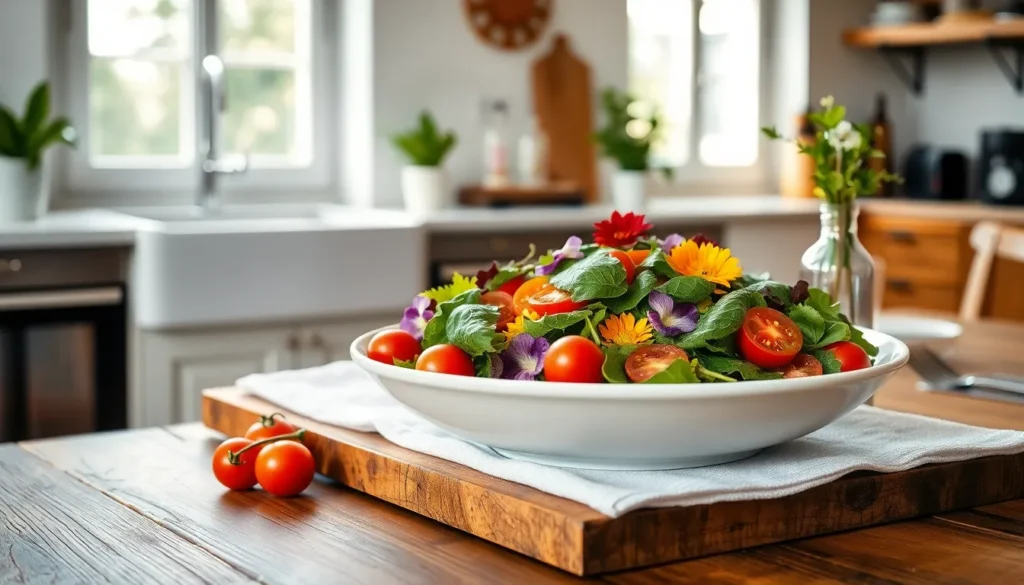

In a world where everyone’s a food critic and Instagram is the new menu, mastering food photography techniques is no longer just a hobby—it’s a necessity. Imagine capturing that perfect cheese pull or the vibrant colors of a fresh salad, making your followers drool with envy. It’s not just about snapping a quick pic; it’s about turning your culinary creations into mouthwatering masterpieces that demand attention.
Understanding Food Photography Techniques
Mastering food photography techniques is vital for creating visually appealing images that draw attention online. This section delves into essential techniques that enhance food photography.
The Importance of Composition
Composition plays a key role in food photography. It guides viewers’ eyes through the image, highlighting the dish’s most appealing features. A strong focal point, such as a vibrant ingredient or a beautifully plated dish, keeps attention. Rule of thirds often benefits composition; placing the subject off-center creates interest. Negative space enhances focus, allowing the food to stand out. Layering elements adds depth, making images more inviting. Finally, experimenting with different angles leads to unique perspectives that better showcase the dish.
Balancing Light and Shadow
Light and shadow create mood and dimension in food photography. Natural light typically offers the best results; it produces soft and appealing tones. Overcast days provide diffused light, reducing harsh shadows and bright spots. Adjusting the position of light sources can dramatically change the scene. Side lighting often highlights textures, whereas backlighting creates a glowing effect. Using reflectors helps bounce light, softening shadows and enhancing detail. Managing contrast ensures that the image maintains vibrancy without appearing flat. Proper control of light and shadow elevates food photography and captivates viewers.
Essential Equipment for Food Photography
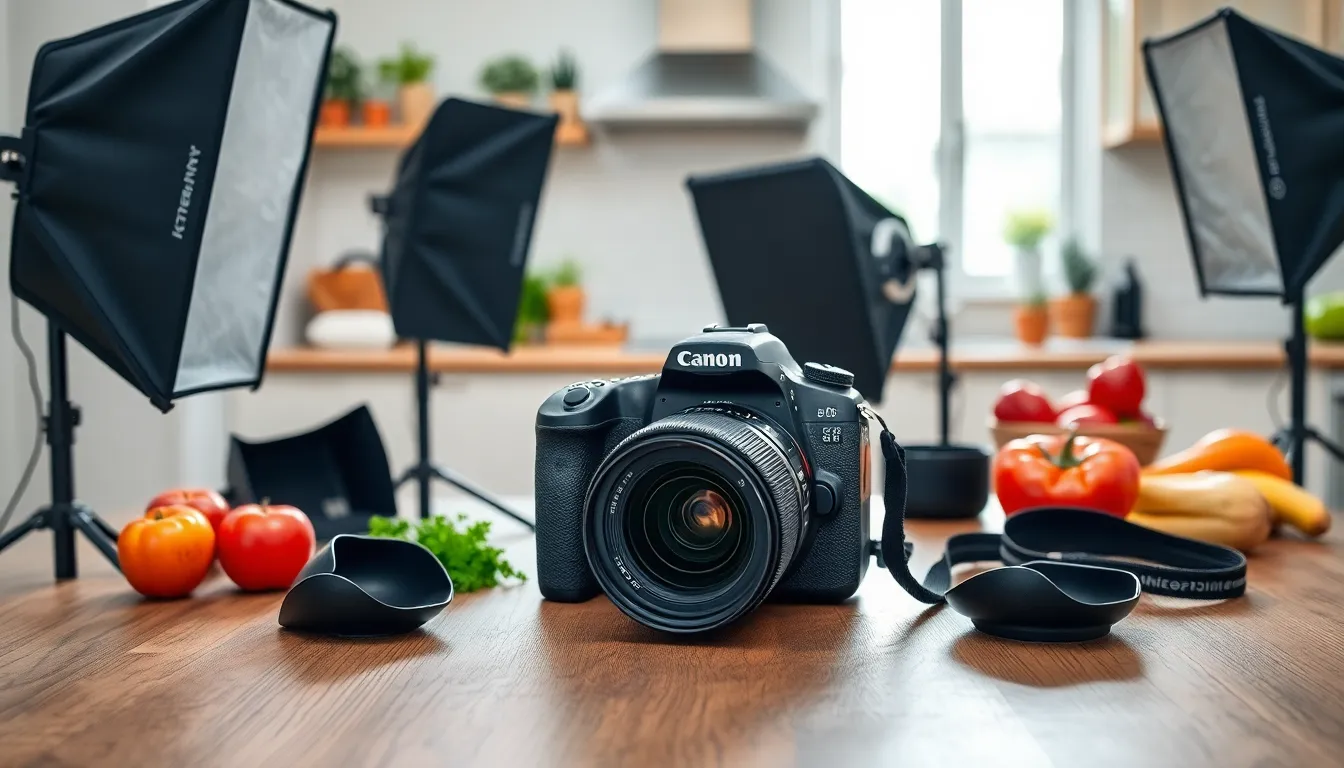
Essential equipment plays a crucial role in achieving stunning food photography. The right tools can transform ordinary images into captivating visuals.
Cameras and Lenses
Cameras determine image quality significantly. DSLRs and mirrorless cameras provide superior control and image resolution. Lenses also impact the final image; a 50mm lens captures sharp details, while a macro lens excels in close-ups. Both allow for depth of field manipulation, enhancing the overall aesthetic. Additionally, many photographers opt for prime lenses for their clarity and lower distortion. Investing time in selecting the right camera and lens pays off in creating appealing food images.
Lighting Tools and Accessories
Lighting tools shape the mood and quality of food photographs. Natural light offers soft, diffused effects, ideal for showcasing textures. However, not all shooting environments provide sufficient natural light. In such cases, portable LED lights and softboxes can rectify this, helping to illuminate dishes effectively. Reflectors enhance lighting diversity, bouncing light onto darker areas of the frame. Light diffusers soften harsh shadows, creating a more balanced image. Each of these accessories contributes uniquely to achieving stunning results in food photography.
Styling Food For the Camera
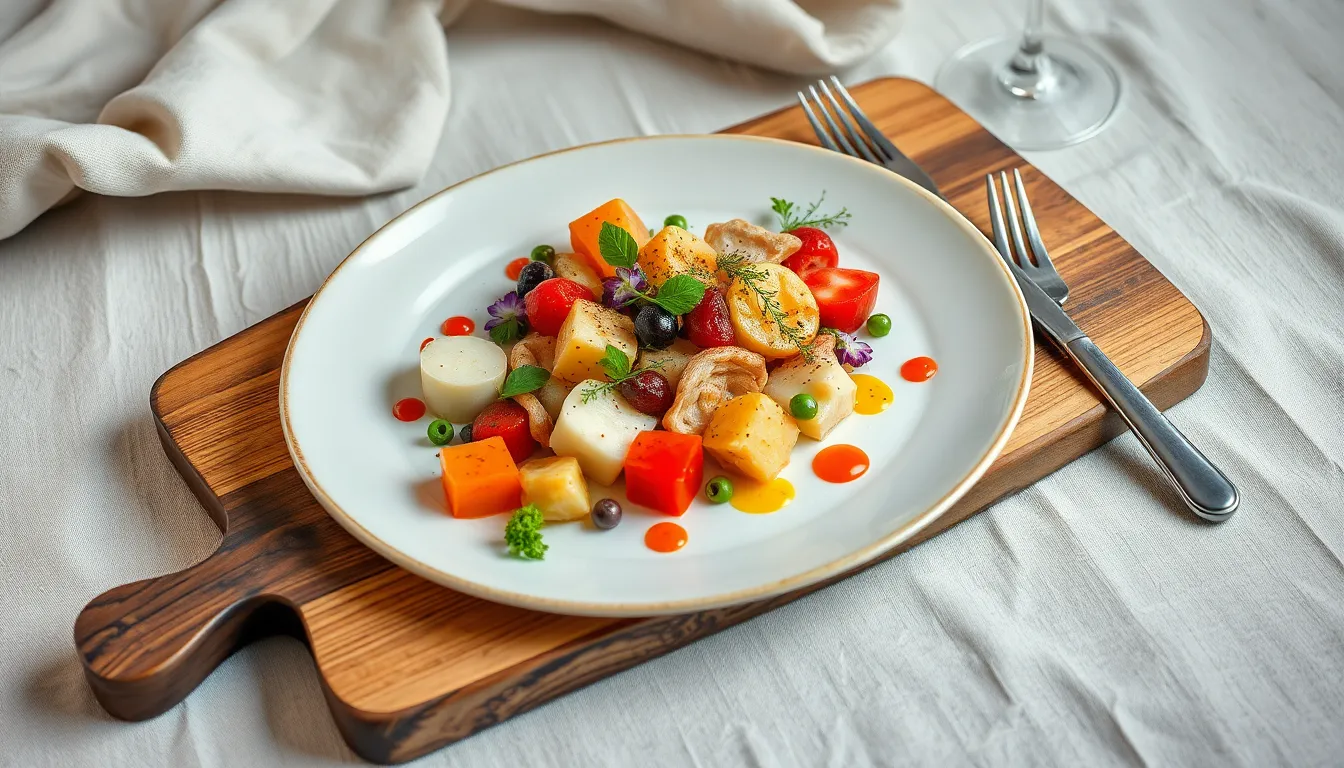
Styling food enhances its visual allure, making it more appealing for photography. Thoughtful styling captures the essence of the dish and entices viewers.
Choosing the Right Props
Props significantly influence a food photograph’s overall aesthetic. Select tableware that complements the food’s colors and overall vibe. Rustic wooden boards or sleek marble surfaces can elevate images. Glassware, cutlery, and napkins should harmonize with the dish and theme. Natural textures, such as linen or clay, can add depth. Avoid overcrowding the frame with too many objects; simplicity often yields the most striking compositions.
Creating Visual Appeal
Visual appeal hinges on color, texture, and arrangement. Use vibrant ingredients to create contrast against neutral backgrounds. Layering elements adds interest to the frame and invites viewers in. Placing items at different heights creates dimension and draws attention to key components. Incorporating garnishes not only enhances aesthetics but also shows attention to detail. Thoughtful spacing ensures each element has its moment, maintaining a clean and inviting look.
Post-Processing Tips for Food Images
Post-processing enhances food images significantly. Begin with cropping to create a balanced and focused composition, emphasizing the dish’s most enticing elements. Adjusting exposure levels brightens the overall image, making colors pop while revealing textures.
Sharpening selections boosts clarity. Subtle sharpening effects can accentuate important details, such as glistening sauces or intricate garnishes. Color correction ensures that hues appear vibrant and true to life, captivating viewers.
Experimenting with contrast introduces depth and richness. Increased contrast can highlight the interplay of light and shadow, making the dish more dynamic. Using software tools like Adobe Lightroom or Photoshop can streamline these edits effectively.
Applying filters selectively can add a unique touch. Consistency in filter usage maintains a cohesive look across a series of food images, ensuring that the visual story remains unified. Saturation adjustments also play a critical role in amplifying food colors, enticing potential diners.
Consider using a vignette effect to guide the viewer’s focus toward the dish. A subtle darkening of the image’s edges draws attention to the center, where the food resides. This technique creates a sense of intimacy, making the dish feel more inviting.
Finalizing images often involves adding a touch of clarity. Increasing clarity can enhance texture details, like the crispness of vegetables or the creaminess of cheese. Saving images in high-resolution formats ensures quality is maintained across various platforms.
Each step in post-processing contributes to creating a stunning food photograph. These techniques, when applied thoughtfully, transform ordinary images into eye-catching culinary art, effectively engaging viewers and elevating the presentation of dishes.
Conclusion
Mastering food photography techniques can elevate any culinary creation into a visual masterpiece. By focusing on composition lighting and styling it’s possible to create images that not only attract attention but also engage viewers. The right equipment and thoughtful post-processing further enhance the overall quality of food images.
With practice and creativity anyone can transform their food photography skills. Whether sharing on social media or promoting a culinary venture stunning images can make all the difference. Embracing these techniques will lead to captivating photos that celebrate the beauty of food and entice viewers to savor every bite.