

Backpacking can feel like a culinary adventure—if your idea of adventure involves instant noodles and granola bars. But it doesn’t have to be that way! With a dash of creativity and a sprinkle of clever hacks, anyone can turn their backpack into a gourmet kitchen on the go. Imagine savoring delicious meals under the stars instead of choking down bland snacks.
Essential Backpacking Food Hacks
Choosing the right food can elevate any backpacking trip. Opt for dehydrated meals that require only water, simplifying meal prep and minimizing pack weight.
Consider vacuum-sealed bags to store individual meal portions, which will help maintain freshness and keep food compact. Pack snacks like nuts and dried fruit in reusable containers, offering an energy boost without taking up much space.
Repackaging bulk items into smaller bags enhances organization and reduces the overall weight. Use a wide-mouthed water bottle for both drinking and cooking, streamlining hydration and meal preparation.
Employ a lightweight camp stove for versatile cooking options. Prepare quick-cooking grains like couscous or quinoa that only require boiling water for a nutritious meal in minutes.
Incorporate spices into your pack to enhance flavors. Small containers of salt, pepper, and your favorite seasoning blend can transform any meal from bland to tasty.
Utilize fruits like apples and oranges that travel well without refrigeration. These options provide natural sugars and vitamins, offering healthy snacks during hikes.
Prepare a meal plan before the trip to avoid overpacking and wasting food. Check local regulations on food storage, especially in bear country, ensuring safety and responsible camping practices.
Consider using a portable espresso maker for coffee lovers. Bringing quality coffee can significantly enhance the morning experience while camping.
Meal Planning Tips
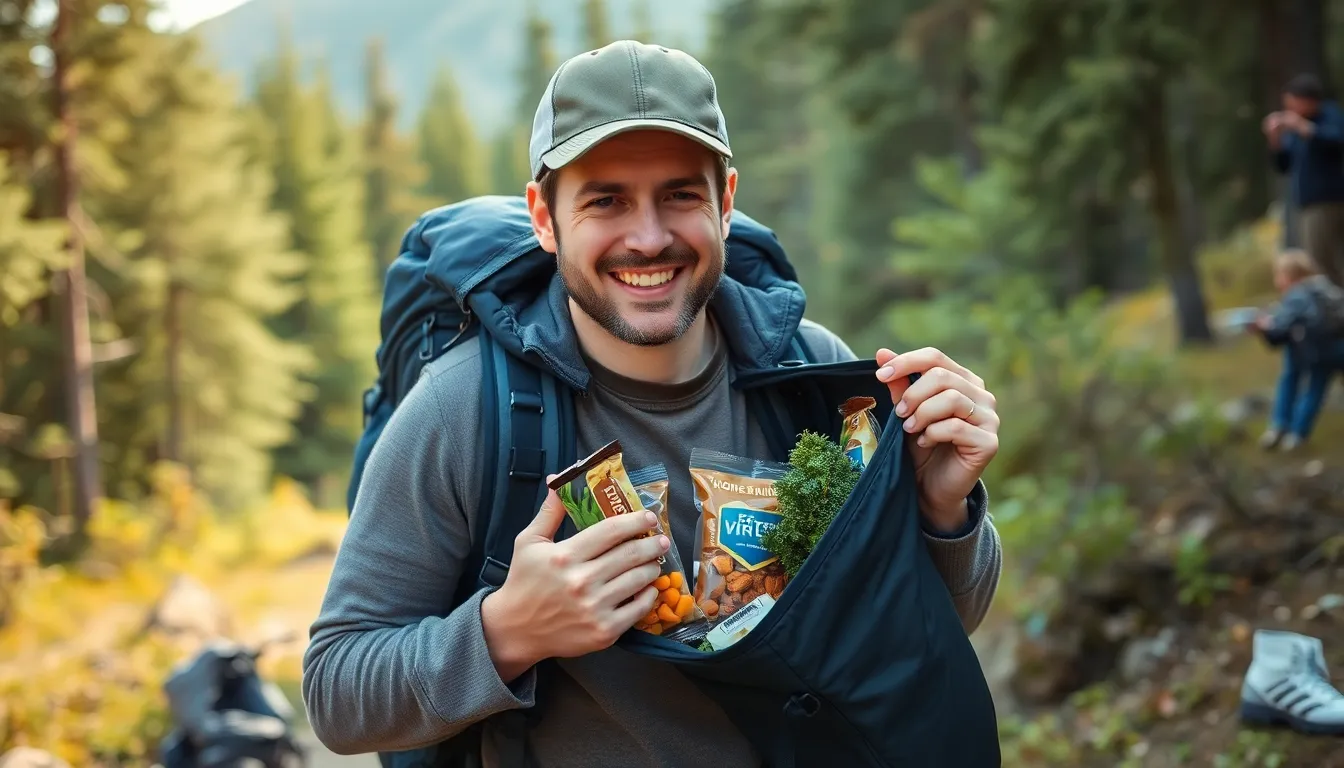
Effective meal planning enhances the backpacking experience. By making smart ingredient choices, backpackers can enjoy nutritious and flavorful meals while minimizing weight.
Choosing Lightweight Ingredients
Opt for dehydrated vegetables and fruits, as their low moisture content minimizes weight. Instant rice and quinoa are excellent choices for quick cooking. Select energy-dense foods like nuts, seeds, and nut butter, which provide sustained energy without adding bulk. Consider packing protein bars, as they offer a convenient and lightweight option for on-the-go nourishment. Whole grain crackers deliver crunch and are easy to complement with cheese or hummus. Favor vacuum-sealed bags for packing items tightly and reducing air exposure. Such strategies contribute to lighter loads without sacrificing quality.
Balancing Nutrition and Weight
Focus on combining carbohydrates, proteins, and fats to create balanced meals while maintaining lightweight. Carry whole foods like oats and legumes, which add fiber and essential nutrients. Use dried legumes for their protein content and light weight. Incorporate healthy fats from products like olive oil to boost caloric intake without significant weight. Prioritize nutrient-dense fruits such as apples and oranges that travel well. Plan meals around optimal caloric needs to sustain energy during rigorous activities. By balancing nutrition and weight, backpackers ensure they remain fueled throughout their adventures.
Cooking and Preparation Hacks
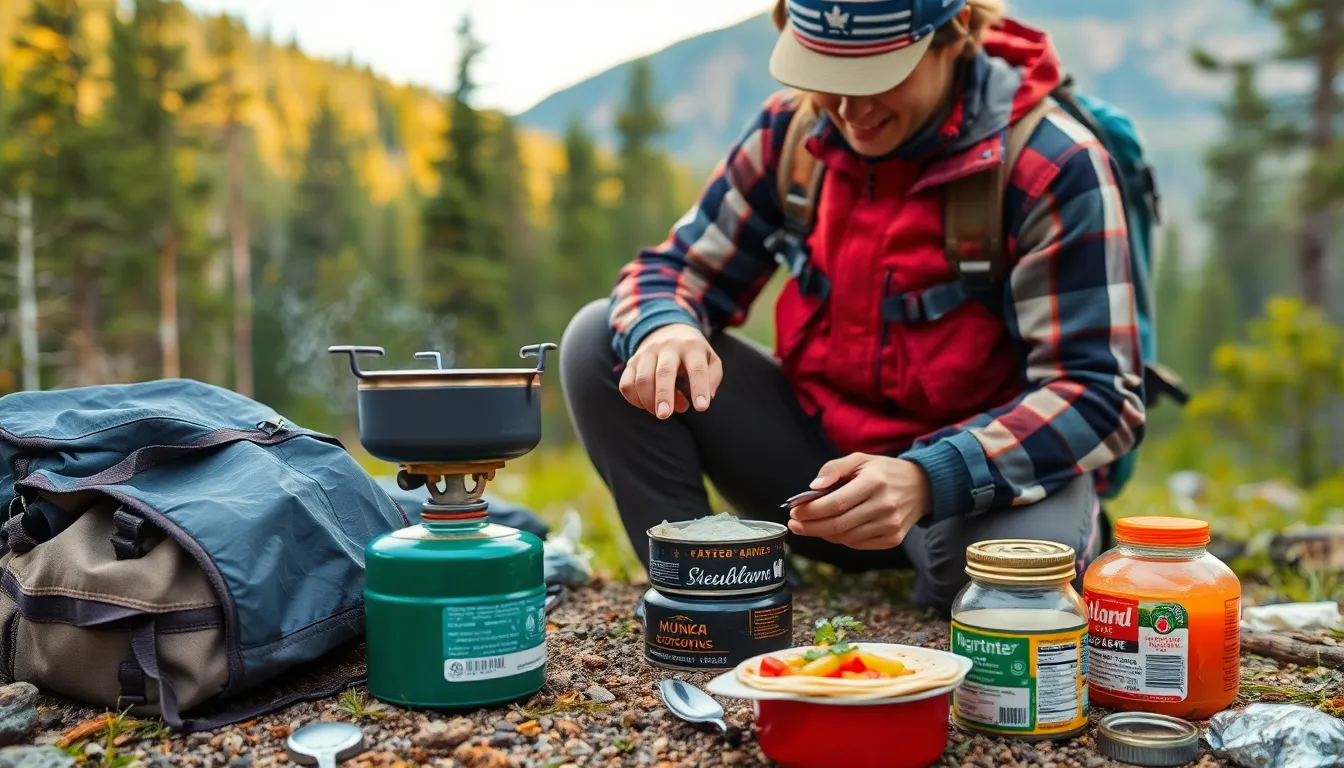
Creative cooking hacks can enhance backpacking meals. Consider using techniques that save time and energy while delivering delicious flavors.
No-Cook Meal Ideas
No-cook meals offer convenience without compromising on taste. Options include wraps using tortillas filled with nut butter, honey, and banana slices. Cold pasta salads made from pre-cooked pasta, olive oil, and sun-dried tomatoes provide a satisfying option. Canned chickpeas mixed with pre-chopped vegetables and dressing serve as a protein-packed, ready-to-eat meal. Energy balls, made with oats, honey, and nut butter, offer a sweet snack without cooking. Dried fruits, protein bars, and trail mix add further nutrition without requiring preparation.
Quick Cooking Methods
Quick cooking methods can save time during meal prep. Using instant rice or quinoa allows for minimal cooking time and easy hydration. A lightweight stove heats water rapidly for meal rehydration. Foil packets can cook vegetables or fish efficiently over a campfire. To enhance meals, freeze-dried meals simply require boiling water. Compact campfire grills can also elevate grilling options for more diverse meals. Pack a lightweight pot or pan for versatile cooking capabilities.
Storage and Preservation Techniques
Effective storage and preservation techniques significantly impact backpacking meals. By implementing smart strategies, backpackers can enjoy fresh and flavorful food throughout their trips.
Keeping Food Fresh
Use vacuum-sealed bags for storing meals. This technique removes air, extending freshness and preventing freezer burn. Choose meals with low moisture content since they remain stable during transport. Incorporate silica gel packets to absorb excess moisture in containers. Pack fruits like apples and oranges that resist degradation well. Snacks in resealable bags maintain their crunch during the journey. Additionally, store items in insulated bags to help regulate temperature during hikes.
Avoiding Spoilage
Select non-perishable items like nuts, jerky, and dried fruits to avoid spoilage. Choose high-fat foods like cheese or butter that fare well in cooler conditions. Incorporate spices not only to flavor meals but also to inhibit bacterial growth. Make meal plans that prioritize shorter shelf-life items first. Refrigerate perishables when possible, even while on the trail, using a small cooler. For longer trips, break meals into smaller portions to limit exposure to air and contaminants. Avoid unnecessary exposure to sunlight, as it can accelerate spoilage.
Easy Snack Ideas
Backpackers can enjoy nutritious and satisfying snacks by incorporating simple ideas that require minimal preparation. These snacks provide energy and convenience, perfect for on-the-go fueling during hikes.
Homemade Energy Bars
Homemade energy bars combine nutritious ingredients for a delicious and energy-packed treat. Oats, nut butters, and honey form a solid base. By adding seeds, dried fruits, or dark chocolate, backpackers enhance flavor and texture. Once mixed, shape the ingredients into bars and refrigerate until firm. Cutting them into portions makes for easy packing. Choosing to make these bars at home allows for control over ingredients and flavors, ensuring a healthy and energizing snack without excessive additives.
Trail Mix Combinations
Trail mix offers endless combinations that cater to individual tastes. Nuts, seeds, and dried fruits create a balance of protein and natural sweetness. Adding dark chocolate or yogurt-covered treats provides an indulgent touch. Backpackers can also include grain-based cereals or pretzels for extra crunch. Mixing these elements in reusable containers ensures easy access during hikes and keeps snacks fresh. Crafting personalized trail mixes allows for creativity while meeting specific dietary needs.
Conclusion
Backpacking food doesn’t have to be monotonous or uninspired. With a bit of creativity and the right hacks, it’s possible to enjoy a variety of delicious meals on the trail. By focusing on meal planning and utilizing lightweight ingredients, backpackers can fuel their adventures without the burden of excess weight.
Incorporating simple cooking methods and effective storage techniques ensures that meals remain fresh and flavorful. Snacks that are easy to prepare and carry can provide the energy needed for long hikes. Embracing these food hacks can transform a backpacking trip into a delightful culinary experience, making every meal a memorable part of the journey.