
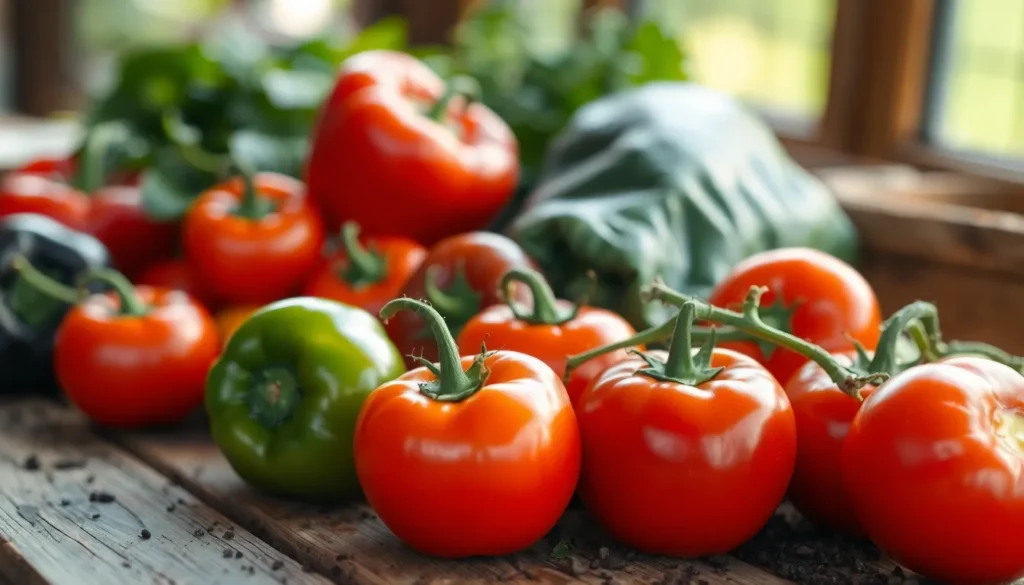

In a world where kale chips and quinoa bowls reign supreme, organic food photography has become the secret sauce for capturing the hearts—and stomachs—of food lovers everywhere. It’s not just about snapping pretty pictures; it’s about showcasing the vibrant colors and textures that make organic produce pop like a confetti cannon at a health food party.
What Is Organic Food Photography?
Organic food photography captures the essence of fresh, natural ingredients. It emphasizes vibrant colors and rich textures that make organic produce appealing. Photographers aim to showcase the quality and authenticity of ingredients, which resonate with health-conscious consumers.
Highlighting the unique attributes of organic foods sets this style apart from traditional food photography. Each image pays attention to detail, showcasing the imperfections of fruits and vegetables that signify freshness. Including elements like soil or rustic props enhances the organic aesthetic, providing context and storytelling depth.
Natural lighting plays a crucial role in organic food photography. It illuminates the freshness of the ingredients and highlights their textures. Photographers often prefer shooting outdoors or near windows to harness soft, diffused light. This technique ensures the images remain true to life, reflecting the essence of organic produce accurately.
In addition, composition contributes significantly to the effectiveness of organic food photography. Balancing elements within the frame captures the viewer’s attention effectively. Utilizing negative space can draw focus to a single ingredient, making it stand out.
Considering these factors leads to images that entice and appeal to culinary enthusiasts. Organic food photography stands as a vital tool for brands aiming to connect with an audience that prioritizes health and sustainability. The market demand for enticing food visuals continues to rise, making this photography style increasingly important for showcasing organic foods.
Importance Of Organic Food Photography
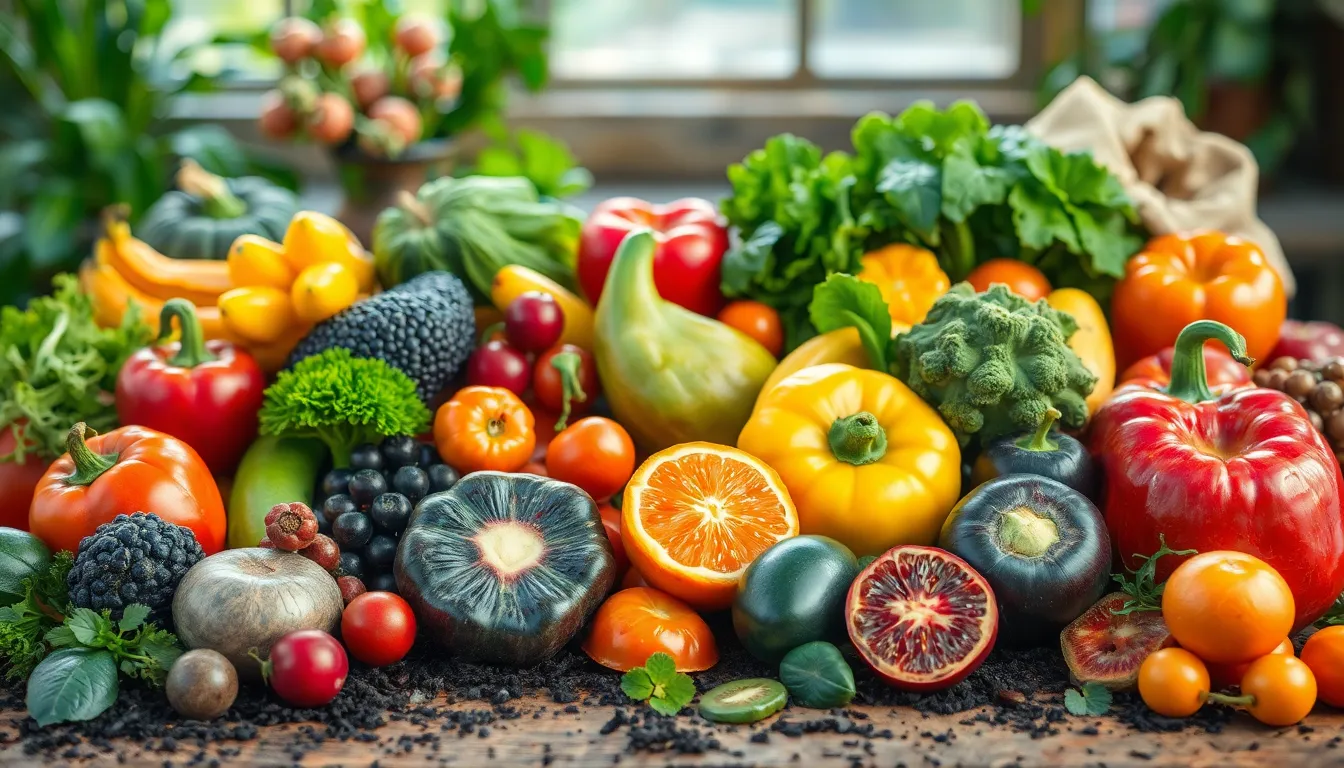
Organic food photography plays a crucial role in attracting health-conscious consumers. It focuses on emphasizing the vivid colors and textures of organic produce.
Visual Appeal
Strong visual appeal draws in food lovers. Capturing vibrant colors enhances the natural beauty of fruits and vegetables. Highlighting unique textures showcases freshness and quality, enticing potential buyers. Using rustic props and soil accents creates an inviting, authentic atmosphere. Each photograph should tell a story that resonates with the audience. Additionally, balanced compositions and creative angles further engage viewers. Natural lighting brings out the true essence of organic ingredients, elevating their visual impact.
Health and Sustainability Message
The health and sustainability message resonates in organic food photography. It emphasizes eco-friendly practices by showcasing whole, unprocessed foods. Authentic representation of organic ingredients communicates their nutritional benefits effectively. Highlighting imperfections reminds viewers that nature isn’t always perfect, reinforcing an appreciation for real food. Brands align themselves with health-conscious consumers by using organic food visuals. This connection builds trust and loyalty among the audience seeking sustainable options. As interest in healthy lifestyles grows, effective imagery captures this focus, leading to increased engagement and sales.
Techniques For Capturing Organic Food
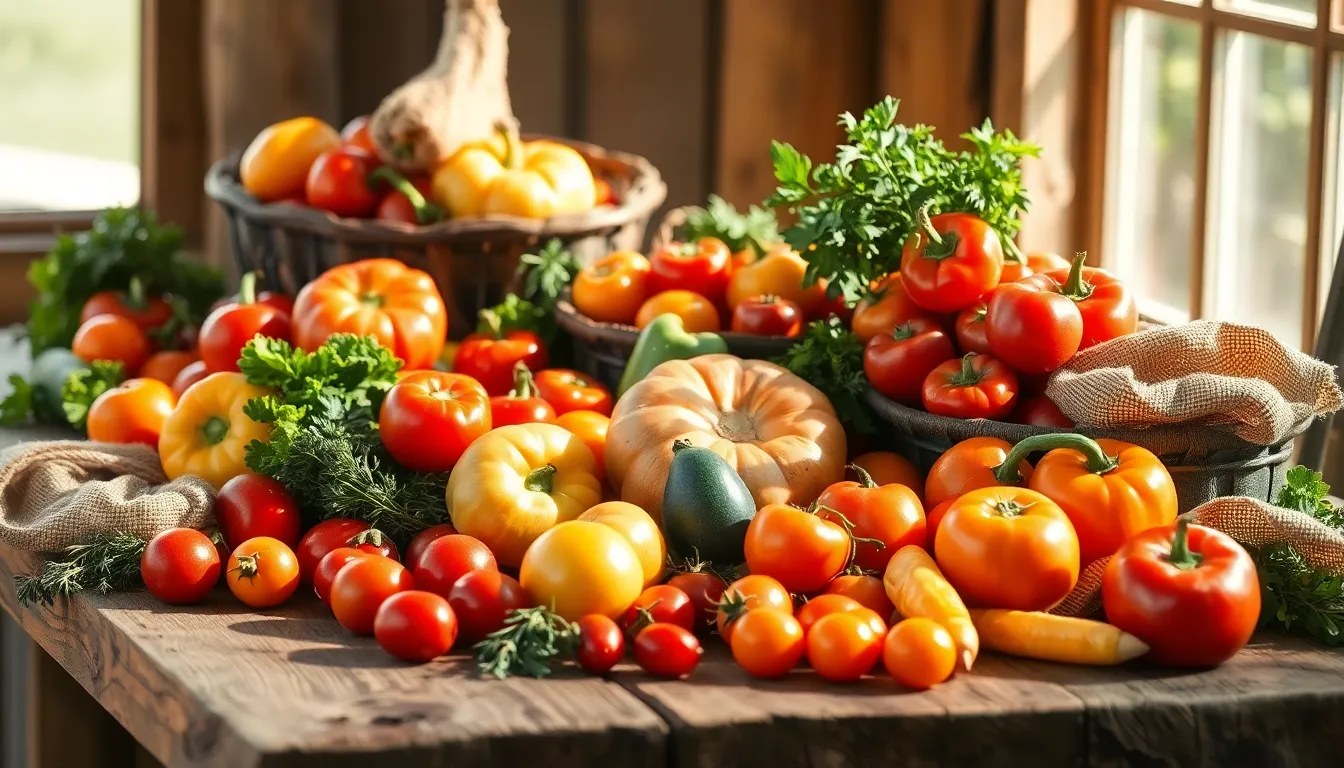
Capturing organic food involves specific techniques that enhance visual appeal and authenticity.
Natural Lighting
Natural lighting plays a pivotal role in organic food photography. Soft sunlight brings out the vibrancy of colors, making produce look fresh and inviting. Shooting during golden hours, shortly after sunrise or before sunset, provides a warm glow that enhances the overall aesthetic. Utilizing window light can also create beautiful highlights and shadows on textured surfaces, emphasizing the unique characteristics of organic ingredients. Avoiding harsh midday sun prevents unwanted shadows and glare, resulting in more balanced images that resonate with viewers.
Props and Styling
Props and styling enhance the storytelling aspect of organic food photography. Using rustic items, like wooden boards or burlap, adds an earthy feel, grounding the images in nature. Fresh herbs, grains, and vegetables serve as perfect accents, complementing the main subject. Implementing varied textures through linen or ceramics creates depth and interest in each shot. Arranging ingredients in a way that appears natural yet intentional promotes a sense of abundance. Experimenting with different color palettes ensures that the organic essence of the food remains at the forefront, inviting viewers into a world of health and sustainability.
Challenges In Organic Food Photography
Organic food photography faces unique challenges that impact its effectiveness. Capturing the essence of fresh ingredients requires skill and creativity.
Overcoming Common Obstacles
Lighting presents a significant hurdle in organic food photography. Natural light often varies, requiring adaptability to achieve desired results. Photographers frequently encounter low light situations, making it essential to find creative solutions. Using reflectors can help enhance brightness and improve texture visibility. Inconsistent colors may arise during the shooting process, necessitating post-processing adjustments to maintain integrity. Some photographers also struggle with achieving the right composition. Practicing different arrangements of elements allows the discovery of what works best for each shot.
Maintaining Authenticity
Authenticity stands as a cornerstone of effective organic food photography. Capturing the true essence of organic products means showcasing both beauty and imperfections. Signs of freshness, such as soil or slight blemishes, should feature prominently. These details resonate with health-conscious consumers seeking real food experiences. Incorporating natural props enhances storytelling elements while reinforcing a sense of place. Avoid overly polished images that detract from the organic narrative; instead, focus on honest representations. Striking a balance between aesthetic appeal and authenticity helps forge connections with viewers eager for genuine depictions of organic produce.
Tips For Aspiring Photographers
Focus on natural lighting. Soft sunlight, especially during golden hours, enhances vibrancy. Seek outdoor settings or proximity to large windows for the best exposure.
Experiment with various angles. High or low perspectives showcase textures effectively. Capture ingredients from different viewpoints to find the most compelling compositions.
Use props intentionally. Rustic items like wooden boards or fresh herbs enrich the story. Select complementary colors to enhance the produce’s natural beauty.
Incorporate negative space. This technique highlights individual ingredients, creating a balanced image. Avoid clutter that detracts from the main subject.
Embrace imperfections. Authenticity resonates with health-conscious consumers. Showcase the natural flaws of organic produce to build trust and connection.
Keep backgrounds simple. Clean surfaces maintain focus on the food. A minimalistic approach accentuates the freshness and quality of organic ingredients.
Pay attention to composition. Use rules such as the rule of thirds to guide placement. Experiment with layering items to add depth and interest to the photo.
Test various editing styles. Light filters and color adjustments can enhance vibrancy while maintaining authenticity. Ensure edits do not detract from the natural look of ingredients.
Practice consistently. Familiarity with equipment and techniques improves skill. Regular shooting sessions help develop a unique style over time.
Conclusion
Organic food photography plays a crucial role in connecting brands with health-conscious consumers. By emphasizing the vibrant colors and unique textures of organic produce, photographers create engaging visuals that resonate with audiences. The focus on authenticity and natural imperfections fosters trust and loyalty among consumers seeking sustainable options.
Effective use of natural lighting and thoughtful composition enhances the overall appeal of these images. Incorporating rustic props and storytelling elements adds depth and context, making each photograph more inviting. As the demand for organic food continues to grow, mastering this photography style will be essential for brands aiming to stand out in a competitive market.