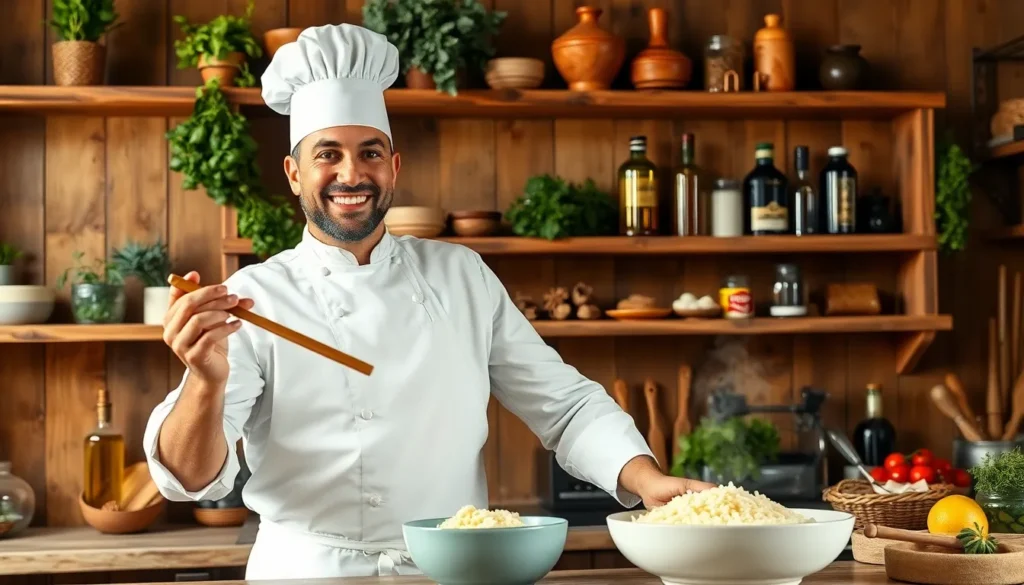

Italian food TV shows are a delicious feast for the senses, blending mouthwatering dishes with captivating storytelling. From the bustling streets of Rome to the sun-kissed coasts of Sicily, these shows whisk viewers away on a culinary adventure that’s hard to resist. Who wouldn’t want to learn how to craft the perfect risotto while laughing at the charming antics of a passionate chef?
Italian Food TV Shows
Italian food TV shows captivate audiences with their rich flavors and vibrant stories. They offer viewers an inside look at traditional recipes while showcasing Italy’s culinary culture.
The Rise of Italian Cuisine on Television
Italian cuisine gained significant popularity on television in recent years. Many viewers appreciate the combination of cooking and storytelling. Programs now highlight regional specialties from various parts of Italy, including pasta dishes from Bologna and seafood from Naples. Chefs share their passion for authentic ingredients, making Italian cooking accessible to home chefs. As chefs become television personalities, they draw in larger audiences, transforming culinary skills into entertainment.
Iconic Shows and Hosts
Several shows stand out as icons in the Italian food television landscape. “MasterChef Italia” showcases aspiring cooks competing for the title through rigorous challenges. Celebrity chef Gennaro Contaldo brings charm and warmth to “Two Greedy Italians.” “Cucine da Incubo,” hosted by Alessandro Borghese, focuses on restaurant renovations while emphasizing cooking techniques. Each show features engaging hosts who inspire viewers. Through their expertise, these chefs share knowledge about Italian traditions and creative recipes, enhancing the show’s popularity.
Regional Italian Cuisine in TV Shows
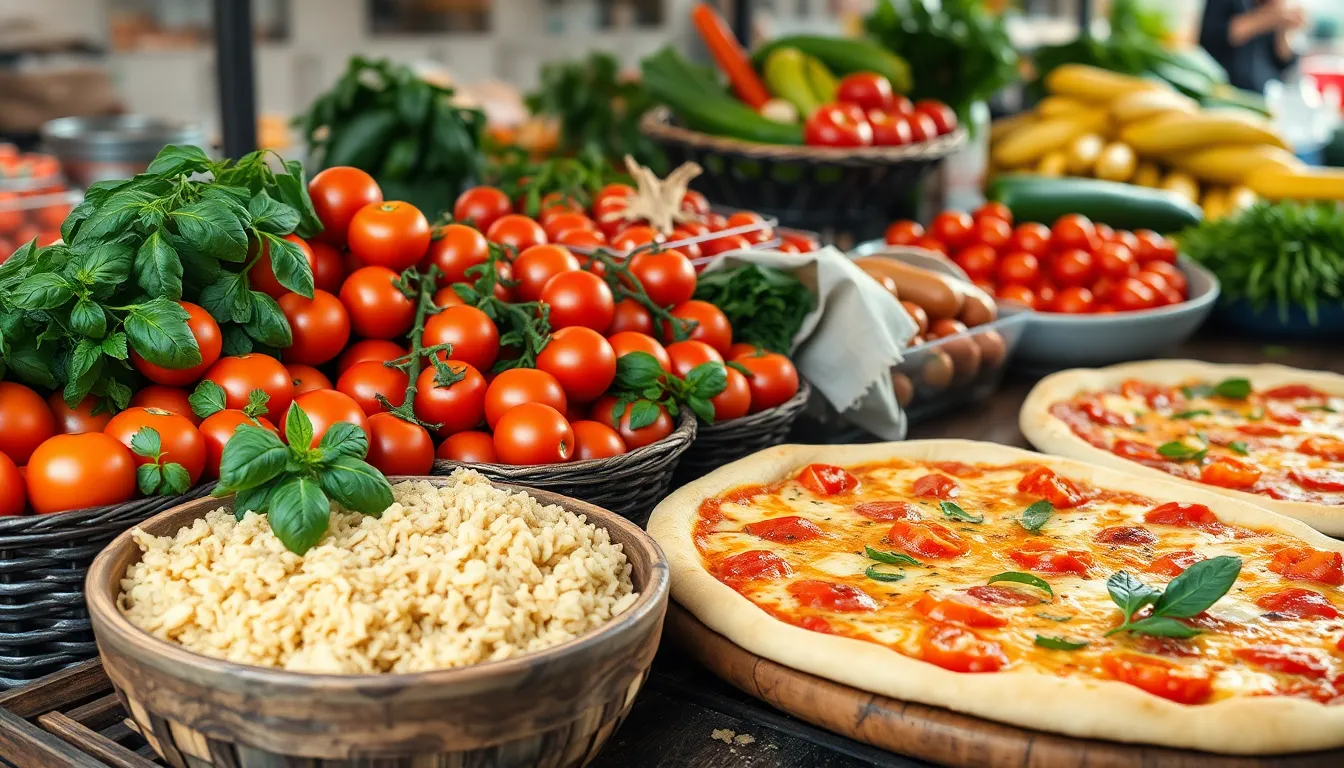
Italian food TV shows reveal the rich diversity found across Italy’s regions. Each area showcases unique ingredients and cooking techniques, making the culinary experience vibrant and varied.
Northern Italy Inspirations
Northern Italy stands out for its creamy risottos and hearty polenta. Venice often highlights seafood dishes infused with local herbs, while Milan features world-renowned saffron risotto. Shows like “Cucine da Incubo” display these culinary delights. Chefs emphasize fresh ingredients sourced from local markets, enhancing the authenticity of each dish. Home cooks gain insight into the art of balancing flavors and textures, enabling them to recreate regional masterpieces in their kitchens.
Southern Italy Flavors
Southern Italy delights with its bold flavors and emphasis on fresh produce. Naples, for instance, celebrates its famous pizza, made with San Marzano tomatoes and mozzarella di bufala. “MasterChef Italia” often features pasta dishes common in this region, such as spaghetti alle vongole. The emphasis on seasonal ingredients makes each recipe a true representation of southern Italian cuisine. Shows engage viewers with stories of family traditions and regional specialties, inspiring them to try authentic recipes reflective of this passionate culinary culture.
Cooking Techniques Highlighted
Italian food TV shows showcase a blend of traditional preparation methods and innovative approaches, enriching viewers’ culinary experiences.
Traditional Methods
Chefs often emphasize traditional techniques passed down through generations. Methods such as slow-cooking sauces and hand-rolling pasta play a crucial role in achieving authentic flavors. They highlight the importance of tools, like pasta machines and wooden spoons, that enhance the cooking process. Many shows feature regional specialties, showcasing how different areas in Italy employ unique techniques. For example, Neapolitan pizza relies on high-temperature wood-fired ovens. Preparing risottos requires constant stirring to achieve the desired creamy consistency.
Modern Twists
Innovative chefs incorporate modern techniques into classic recipes, appealing to contemporary tastes. Techniques like sous-vide cooking and molecular gastronomy emerge, transforming traditional dishes. Chefs experiment with deconstructed pasta, allowing guests to experience familiar flavors in unexpected ways. Seasonal ingredients play a significant role, encouraging chefs to adapt classic recipes for fresh, local produce. Culinary shows also introduce fusion elements, blending Italian cuisine with international flavors. This approach not only modernizes Italian cooking but also keeps it relevant in today’s diverse culinary landscape.
Impact on Global Food Culture
Italian food TV shows significantly shape global food culture. They inspire home cooks by showcasing authentic recipes and cooking techniques that emphasize fresh ingredients.
Influence on Home Cooking
Italian cooking shows empower viewers to embrace culinary skills. Engaging hosts teach essential techniques like hand-rolling pasta and crafting traditional sauces. Numerous home chefs experiment with regional dishes, adapting recipes like risotto or spaghetti alle vongole. These shows foster a connection to Italy’s rich culinary heritage, sparking creativity in home kitchens worldwide. Chefs encourage using seasonal ingredients, reinforcing the importance of freshness and local sourcing. As families gather around the table, they discover the joys of cooking together, inspired by the authentic stories shared in these programs.
Italian Food Trends Worldwide
Trends in Italian cuisine reflect the rising influence of these TV shows globally. Viewers discover unique regional flavors and styles, blending traditional and modern elements in their cooking. For instance, the popularity of wood-fired pizza ovens increases as more enthusiasts try their hand at recreating Neapolitan pizza. Plant-based adaptations of classic Italian dishes also gain traction, proving versatility in Italian cuisine. Additionally, the emphasis on ingredients like olive oil, fresh herbs, and local produce aligns with current health trends, promoting nutritious choices. Food festivals celebrating Italian cuisine emerge as communities engage with the culinary traditions portrayed on screen, further solidifying Italian food’s global impact.
Conclusion
Italian food TV shows have become a vibrant part of culinary culture. Their ability to blend storytelling with cooking not only entertains but also educates viewers about Italy’s rich gastronomic traditions. As chefs share their expertise and passion for authentic ingredients, home cooks are inspired to explore regional specialties and techniques.
The growing popularity of these shows reflects a global appreciation for Italian cuisine. With a focus on fresh, local ingredients and innovative cooking methods, they empower viewers to recreate beloved dishes in their own kitchens. The impact of these programs goes beyond mere entertainment; they foster a deeper connection to Italy’s culinary heritage and inspire a new generation of food enthusiasts.