
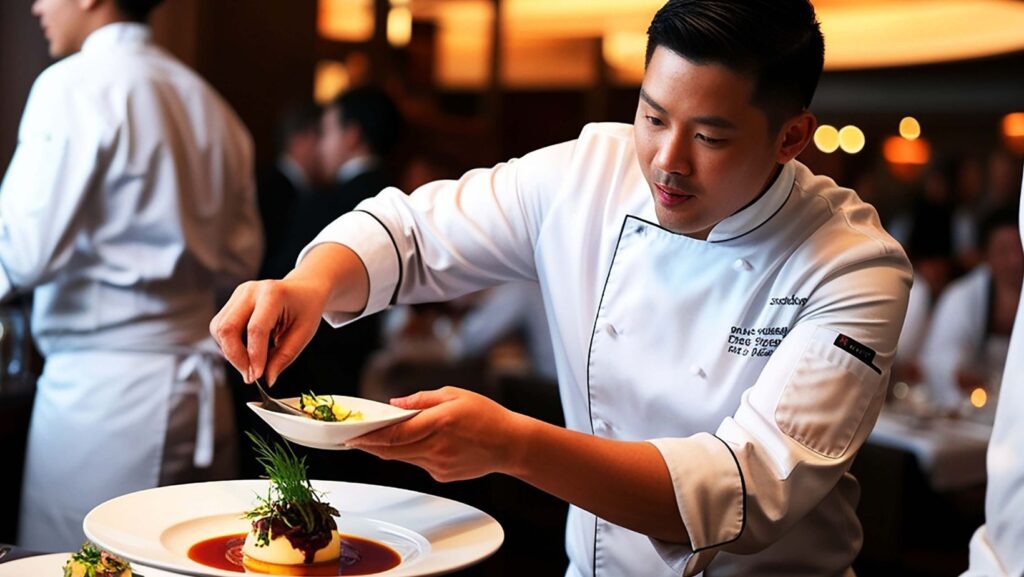

Italian food is often near and dear to so many hearts. People cherish its warm taste and homely meals. However, those responsible for preparing these meals constantly seek ways to enhance them. This endeavor uniquely challenges chefs at Italian restaurants, as they must figure out how to update classic recipes with new ideas while maintaining the integrity of the cuisine. It is this fragile equilibrium that attracts both regulars and curious newcomers. How do these culinary artists honor history but not repeat it? They balance a passion for heritage with a desire to leave a mark.
Honoring Heritage
In Italian kitchens, many cooks begin with classic recipes. These recipes evoke memories of family celebrations and regional pride, accumulated over many years. The process involves generational cooking styles and time-tested combinations. It can take chefs years to master the finer points of sauce making or dough handling. This training guarantees that the legitimate flavors don’t change. The goal is to instill in guests a genuine essence of Italian food culture. Tradition preserves these popular dishes at famed Italian restaurants in Portland, as chefs still prepare them using the same tried-and-true methods.
Experimenting with Ingredients
Though tradition is what most will rely on as a base, innovation often begins with the ingredients. Chefs today pursue locally sourced produce, seafood, and meats whenever possible. This approach supports farmers in the vicinity and ensures freshness. Others toss in more exotic vegetables or grains, shake things up, and make familiar plates just a bit more intriguing. Occasionally, a cook will replace elements with a gluten-free flour or plant-based cheese. These swaps accommodate dietary restrictions while keeping the essence of Italian cuisine.
Adapting Cooking Techniques
A creative cook improvises classical preparation methods. An example of this technique is the replacement of frying by grilling for a lighter outcome. Adding slow-roasting or sous vide cooking to meats and vegetables is also beneficial. Others use herb and spice infusions not regularly seen in Italian food for lightness.
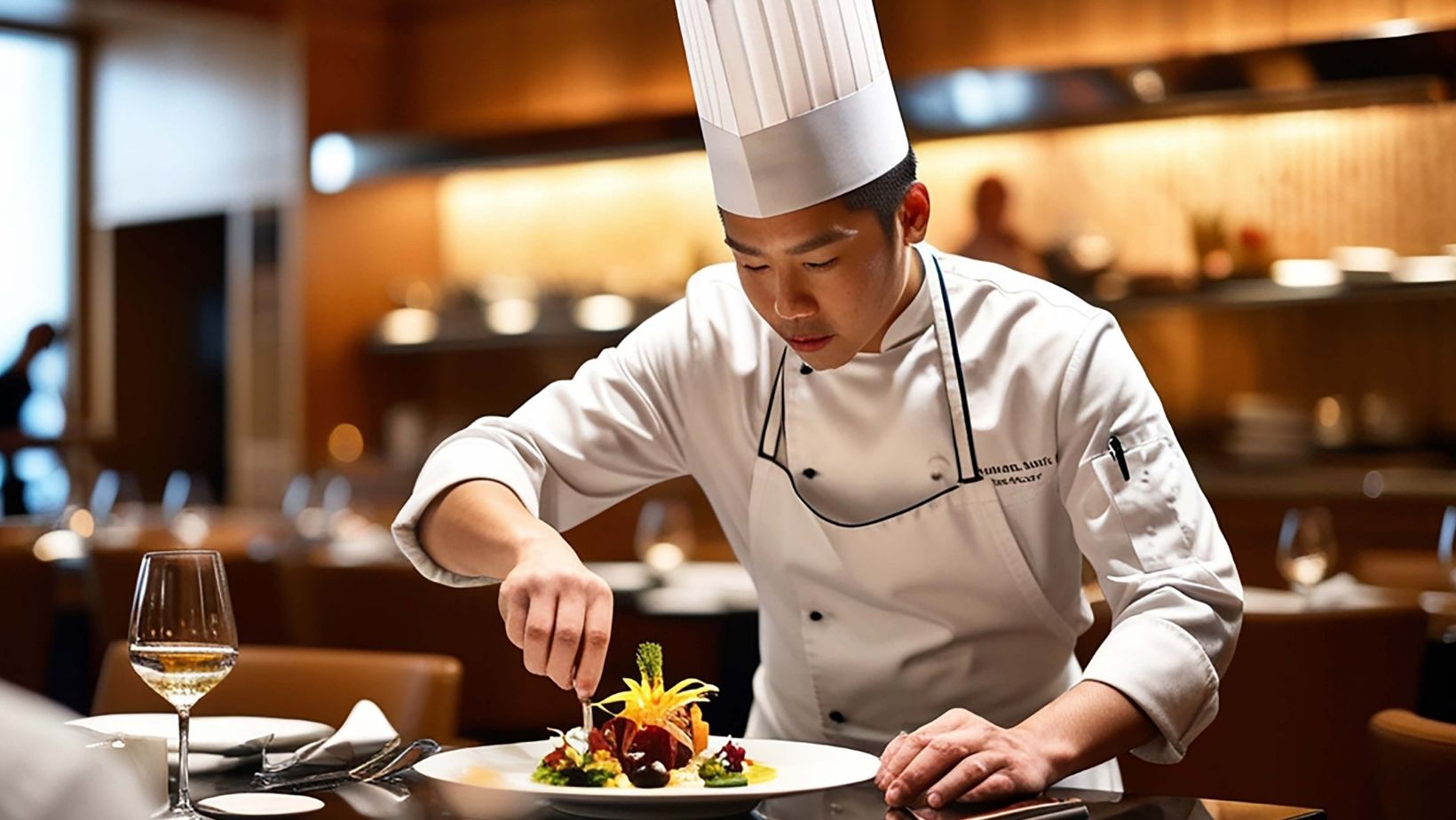
Such techniques enable a relatively modest amount of playfulness, without overtaking the origins of the dish. Careful changes spice up the menu and keep guests interested.
Presenting with Flair
Tasteful presentation is central to modern-day dining. Chefs often serve traditional meals in surprising ways. Instead of tacky rustic plating, some chefs opt for minimalistic arrangements on sleek plates. They sprinkle edible flowers or microgreens on top for a splash of color. These gastronomy artists select garnishes to contrast and emphasize the most important elements of the dish. This level of detail elevates the guests’ experience from merely a meal to an event.
Seasonal Inspiration
The inspiration for many restaurant menus comes with the seasons. Chefs plan their menus based on what is freshest and tastiest in the market. In spring, for example, they might receive tender asparagus or artichokes; in autumn, mushrooms and pumpkins. These ingredients let cooks expand their horizons while remaining relatively close to the realm of tradition. Menu adjustments keep things fresh and entice customers to return.
Listening to Guests
Guest feedback helps inform a chef’s creative process. Over dinner, diners frequently express admiration for both classic and creative dishes. Chefs also take note of which items generate the most buzz or become the largest sellers. They provide important feedback on the perception of new creations; constructive comments on them are always welcome. This feedback informs later menu choices and offers perspective for future experimentation. When chefs think about guest interests, they keep their offerings relevant and enticing.
Balancing Old and New
Blending the old with the new requires patience. Chefs have to tread this line carefully, keeping established ingredients in place while making new additions feel warranted. They pay homage to the origin; a particular process used to develop the dish goes through meticulous trial and error. The result is a menu that pays tribute to the past while making it suitable for modern times. New, innovative offerings breathe life into delicious legacy recipes, catering to all preferences.
Conclusion
At Italian restaurants, chefs succeed by honoring the past while bringing a captivating modern instinct when plating a dish. By choosing innovative preparations and having the ability to change with the times, they make Italian cuisine continue to jump off the page. With this dedication, every meal provides a touch of tradition combined with a dash of surprise. As guests savor these efforts, Italian dining continues to deliver the goods, uniting people in both comfort and exploration.