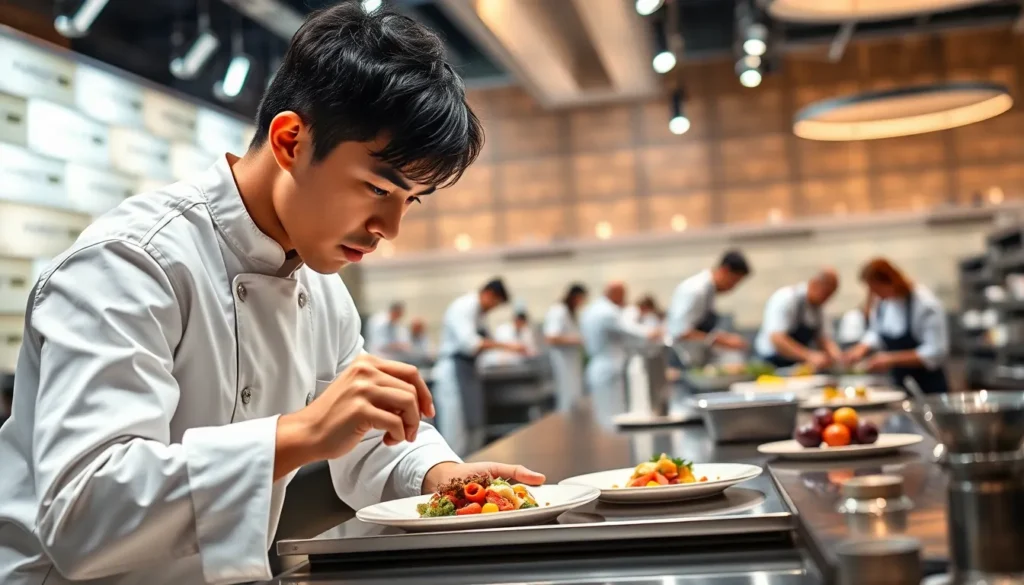

In the world of culinary arts, cooking competitions are the ultimate battlegrounds where creativity meets chaos. Picture this: a group of passionate chefs, armed with nothing but their knives and a sprinkle of madness, racing against the clock to whip up mouthwatering masterpieces. It’s like a high-stakes game of “Chopped” meets a gourmet version of “Survivor,” and the stakes couldn’t be higher.
From amateur cooks hoping to impress the judges to seasoned pros showcasing their skills, these competitions serve up a feast for the senses and a generous side of entertainment. Who knew that a dash of drama and a pinch of rivalry could create such deliciously unforgettable moments? Whether it’s the thrill of the mystery box challenge or the pressure of a timed bake-off, cooking competitions reveal the true essence of culinary passion and the lengths chefs will go to claim the coveted title of champion.
Overview of Cooking Competitions
Cooking competitions serve as exhilarating platforms where culinary talents shine. They encompass a variety of formats, attracting participants from beginner home cooks to seasoned chefs. Participants often face unforeseen challenges, pushing their creativity and skill to the limits, which heightens the excitement.
Judging criteria vary significantly across competitions, focusing on factors like presentation, taste, and originality. Some renowned competitions, such as MasterChef and Top Chef, employ celebrity chefs as judges, adding star power to the evaluations. Viewers engage with the suspense of plate presentations and taste tests, captivated by the immediacy of the decisions made before their eyes.
Mystery box challenges frequently emerge as a staple, where contestants craft dishes using unknown ingredients. Contestants must adapt their cooking strategies on the spot, resulting in unexpected flavor combinations and innovative dishes. Timed bake-offs also test participants’ speed and efficiency while maintaining quality, showing the pressure chefs endure under tight time constraints.
The competitive landscape encourages camaraderie and rivalry alike. Chefs form alliances, but only one can claim victory, creating a charged atmosphere that viewers find compelling. Audience members often become invested in competitors’ journeys, resulting in emotional highs and lows throughout the season.
Culinary arts take center stage as the intricacies of each dish unfold. Cooking competitions not only showcase talent but also serve to inspire aspiring chefs across all levels. They promote culinary diversity, celebrating unique backgrounds and cooking styles that resonate with audiences globally.
Popular Cooking Competitions


Cooking competitions come in various formats, captivating audiences worldwide. These events highlight skills, creativity, and the intensity of culinary challenges.
Reality TV Shows
Reality TV cooking shows dominate the competition landscape. Shows like MasterChef, Top Chef, and The Great British Bake Off feature amateur and professional chefs vying for prestigious titles. Contestants face elimination rounds, which test their abilities under pressure. Judges, often celebrity chefs, evaluate dishes based on taste, presentation, and innovation. Each season introduces unique twists, such as team challenges or mystery ingredients. This format keeps viewers engaged, making these shows immensely popular.
Culinary Contests
Culinary contests encompass a wider variety of events beyond television. Competitions like the World Culinary Olympics and local state fairs showcase diverse cooking styles from contestants worldwide. Chefs participate in categories ranging from baking to savory dishes, with evaluations based on creativity and technical skill. Many contests offer cash prizes and scholarships, incentivizing chefs to showcase their talents. Networking opportunities also arise, helping participants connect with industry experts and expand their culinary careers. These contests celebrate culinary artistry and foster a sense of community among chefs.
Key Elements of Successful Competitions
Successful cooking competitions rely on specific elements that ensure an engaging experience for both contestants and viewers. Two critical factors are judging criteria and contestant skills.
Judging Criteria
Judges assess dishes based on a few key components: presentation, taste, and originality. Presentation evaluates the visual appeal, setting the stage for initial impressions. Taste focuses on flavor balance and execution, making it paramount during evaluations. Originality rewards creative approaches and innovative techniques, showcasing chefs’ unique styles. Competitions often feature celebrity judges, adding credibility and excitement to the judging process. Each of these criteria significantly influences contestants’ strategies, driving them to push their culinary boundaries.
Contestant Skills
Contestants possess a diverse skill set that enhances their performance in competitions. Skills include time management, as contestants often work under tight deadlines. Technical proficiency allows chefs to execute intricate techniques effectively. Creativity becomes crucial, enabling them to innovate with ingredients and presentation. Adaptability stands out as contestants must respond to challenges, often adjusting their recipes on the fly. Such skills not only impact individual success but also enrich the overall competitiveness of each event.
Benefits of Participating in Cooking Competitions
Participating in cooking competitions offers numerous advantages for chefs at every skill level. Exposure to various cooking techniques and diverse culinary styles plays a crucial role in skill development. Contestants often learn new methods by watching their peers and receiving feedback from judges.
Networking opportunities arise as participants connect with fellow chefs, industry professionals, and culinary experts. Building relationships within this community can lead to job opportunities or collaborative projects. Engaging with influential mentors also provides valuable insights into the culinary world.
Boosting self-confidence occurs frequently as contestants face challenges and demonstrate their culinary abilities. Overcoming obstacles in high-pressure situations enhances resilience and prepares chefs for future endeavors. Personal growth often results from navigating both successes and setbacks during competitions.
Public recognition frequently follows participation in notable competitions. Exposure through media coverage and social platforms can elevate a chef’s profile, attracting potential clients or restaurant opportunities. Gaining visibility boosts a chef’s credibility and opens doors to future culinary projects.
Competing fosters creativity as challenges encourage participants to think outside the box. Adapting to surprise ingredients or timed tasks tests problem-solving skills, driving innovative culinary creations. Unique dishes often emerge, showcasing a contestant’s distinct culinary voice.
Furthermore, cooking competitions emphasize the importance of time management. Contestants must efficiently allocate their time to plan, prepare, and present dishes, simulating real-world kitchen environments. Mastering this skill translates to improved performance in professional settings.
Finally, the thrill of competition fuels motivation and passion for cooking. Participants embrace the adrenaline of racing against the clock and striving for excellence. The excitement of cooking competitions propels chefs toward career aspirations, inspiring them to reach new culinary heights.