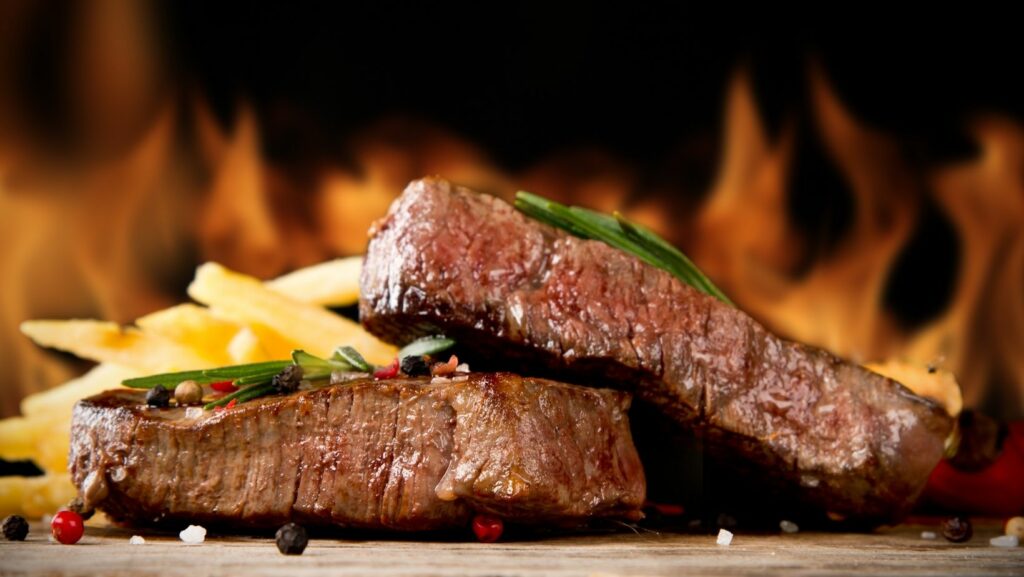
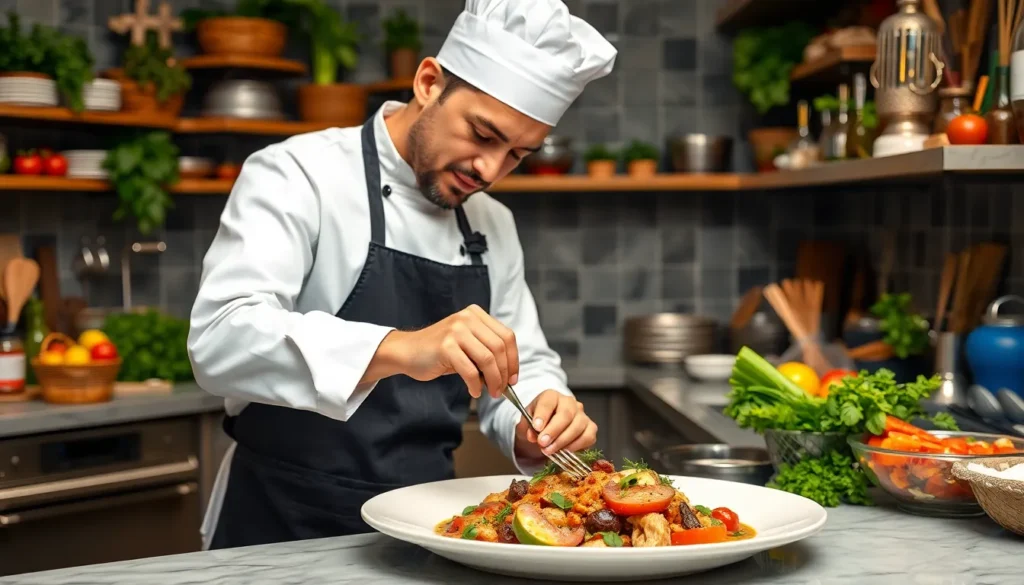

In a world where instant noodles reign supreme and takeout menus dominate dinner decisions, the art of culinary mastery stands as a delicious rebellion. Culinary arts isn’t just about tossing ingredients together; it’s a symphony of flavors, techniques, and a dash of creativity that transforms everyday meals into unforgettable experiences. Imagine whipping up a gourmet dish that not only impresses friends but also makes your taste buds do a happy dance.
Whether you’re a seasoned chef or someone who can barely boil water, diving into the culinary arts opens a treasure chest of skills and knowledge. It’s about more than just cooking; it’s about crafting memories, exploring cultures, and maybe even picking up a few kitchen mishaps along the way. So grab your apron and prepare for a flavorful journey that’ll have you cooking like a pro and laughing at your past culinary blunders.
Overview Of Culinary Arts
Culinary arts encompass a wide range of cooking techniques, ingredient development, and food presentation styles. Chefs and food enthusiasts explore diverse cuisines, allowing them to express creativity and cultural heritage through various dishes. The discipline includes not just traditional cooking but also modern techniques such as molecular gastronomy, which innovative chefs utilize to create unique dining experiences.
Training in culinary arts often takes place in formal settings like culinary schools, where students learn the fundamentals of cooking alongside advanced skills. Programs typically include instruction in knife skills, flavor pairing, and menu planning. Many aspiring chefs also gain practical insights through internships in restaurants, providing real-world experience in fast-paced kitchen environments.
Different career paths emerge within culinary arts, such as pastry chefs, line cooks, and food stylists, each offering distinct opportunities to specialize. Culinary competitions, such as the prestigious Bocuse d’Or, showcase talents and push culinary boundaries. Events like these inspire chefs to refine their skills while promoting culinary innovation.
Culinary arts also incorporate the importance of food sustainability and local sourcing. Chefs increasingly focus on sustainable practices, using seasonal ingredients to create fresh and flavorful dishes. This shift not only enhances meal quality but fosters a connection between chefs, consumers, and the environment.
Networking plays a crucial role in culinary careers. Chefs often build relationships with suppliers, local farmers, and fellow culinary professionals, enriching their culinary knowledge and advancing their careers. Recognition in the culinary world can come from awards, cookbooks, or social media presence, all contributing to a chef’s reputation and influence.
The vibrant world of culinary arts awaits those who embrace its challenges and rewards. Engaging with this craft leads to a deeper appreciation for food and the culinary experience, inviting everyone to partake in its journey.
Historical Significance Of Culinary Arts

Culinary arts hold a deep-rooted history that reflects the cultural and social evolution of societies. Understanding their significance sheds light on human creativity and innovation over time.
Ancient Culinary Traditions
Ancient culinary traditions laid the foundation for modern cooking practices. Early civilizations utilized locally sourced ingredients to create distinct flavors. For instance, Mesopotamians crafted dishes using barley, while Egyptians advanced baking techniques with yeast. These practices influenced food customs, revealing the importance of communal meals in fostering social connections. Ritualistic cooking often accompanied religious ceremonies, showcasing the link between food and culture. Culinary records from ancient texts, like those of Apicius, indicate early recognition of flavor combinations and preservation techniques. This legacy continues to shape global cuisine today.
Evolution Through the Ages
The evolution of culinary arts mirrors shifts in technology and culture. With the fall of the Roman Empire, food preparation emphasized preservation methods like salting and curing. The Renaissance sparked interest in diverse spices and refined techniques, enhancing flavor profiles. Culinary exploration expanded during the Age of Discovery when new ingredients reached European kitchens from the Americas and Asia. The industrial revolution introduced mass food production and refrigeration, transforming access to ingredients. Modern culinary arts now encompass global influences, fusion cuisines, and a growing emphasis on sustainability. Each era contributes uniquely to the rich tapestry of culinary history, illustrating the dynamic nature of food culture.
Key Techniques In Culinary Arts
Culinary arts encompass various techniques that enhance the cooking experience and elevate dishes to new heights. Mastering these techniques allows chefs to express creativity and flavor.
Cooking Methods
Baking includes applying dry heat to food in an oven, resulting in delicious bread or pastries. Grilling involves direct heat, which imparts unique flavors and textures to meats and vegetables. Boiling, often used for pasta or vegetables, cooks food in water or broth, ensuring even tenderness. Sautéing combines moderate heat with fat, enabling quick cooking and flavor development while retaining moisture. Roasting applies hot air circulation, perfect for meats and root vegetables, achieving caramelization and depth of flavor.
Flavor Pairing
Delicious dishes result from understanding and experimenting with flavor pairing. Aromatic herbs like basil complement tomatoes, creating classic Italian flavors. Sweet fruits such as mango enhance spicy dishes, balancing heat with sweetness. Umami-rich ingredients like mushrooms pair well with savory proteins, deepening taste experiences. Citrus fruits add brightness and acidity, elevating flavors in salads and seafood. Comprehending these combinations ensures every dish presents a harmonious blend of tastes, encouraging chefs to explore and innovate.
Essential Ingredients In Culinary Arts
Ingredients play a crucial role in culinary arts, influencing flavors, textures, and overall dish quality. Understanding the core components enhances every culinary experience.
Herbs and Spices
Herbs and spices provide essential flavor profiles in cooking. Basil, for instance, adds freshness to Italian dishes, while cumin imparts warmth to Middle Eastern cuisine. Thyme serves as a versatile option, enhancing everything from roasted meats to soups. Spice blends, such as garam masala, deliver complexity and a signature taste to various recipes. Utilizing fresh herbs like cilantro or parsley can elevate a dish’s presentation and flavor. Knowledge of herbs and spices allows chefs to create balanced flavors and innovate traditional recipes.
Fruits and Vegetables
Fruits and vegetables form the foundation of many culinary creations. Seasonal produce, such as heirloom tomatoes or asparagus, imparts unique flavors and nutritional benefits. Leafy greens like spinach and kale play crucial roles in salads and cooked dishes, providing texture and health benefits. Citrus fruits, including lemons and limes, brighten dishes with acidity, enhancing their overall taste. By incorporating a variety of colors and types, chefs create visually appealing plates. Fresh produce also supports sustainability by encouraging the use of local ingredients, maximizing flavor and promoting community engagement.
Careers In Culinary Arts
Culinary arts offer diverse career paths that appeal to various interests and talents. Opportunities abound in this vibrant field.
Professional Chef Roles
Professional chef roles encompass various specialties, including executive chefs, sous chefs, line cooks, and pastry chefs. Executive chefs oversee kitchen operations, managing staff and ensuring quality. Sous chefs assist in food preparation and kitchen management, while line cooks focus on cooking and plating. Pastry chefs specialize in desserts and baked goods, bringing creativity to sweet dishes. The culinary environment often mandates extensive culinary knowledge, as chefs must master techniques and flavor profiles. Many chefs advance their careers by participating in competitions or innovative culinary projects, showcasing their skills to wider audiences.
Culinary Educators
Culinary educators play a crucial role in shaping the next generation of chefs. They teach skills such as food safety, knife techniques, and menu planning in formal culinary schools. By fostering an understanding of diverse culinary traditions and techniques, educators inspire students to explore creativity in their cooking. Opportunities include teaching at community colleges, culinary institutes, or hosting workshops. Many educators maintain industry connections, allowing them to bring real-world experiences into the classroom. Thus, they help students bridge the gap between culinary theory and practical application, nurturing culinary talent in an ever-evolving industry.
Culinary arts offer a vibrant path for creativity and connection. By embracing the journey of cooking individuals can transform simple ingredients into extraordinary meals. This field not only nurtures personal expression but also fosters a deeper appreciation for diverse cultures and sustainable practices.
The rich history and evolving techniques within culinary arts remind everyone of the profound impact food has on society. As aspiring chefs navigate their careers they contribute to a dynamic landscape that values innovation and tradition alike. Ultimately the culinary world invites everyone to explore flavors and share experiences that celebrate the joy of cooking.