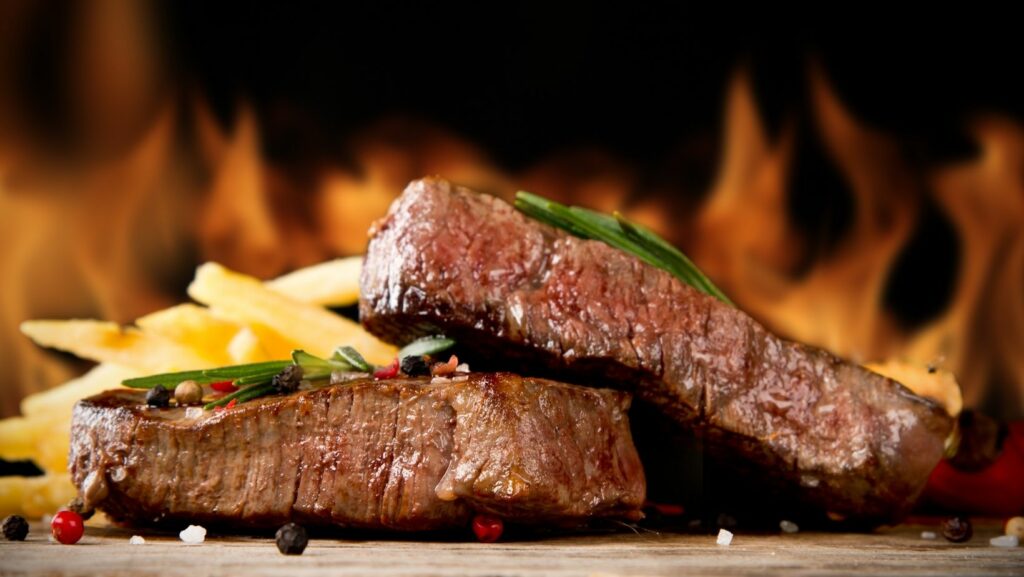
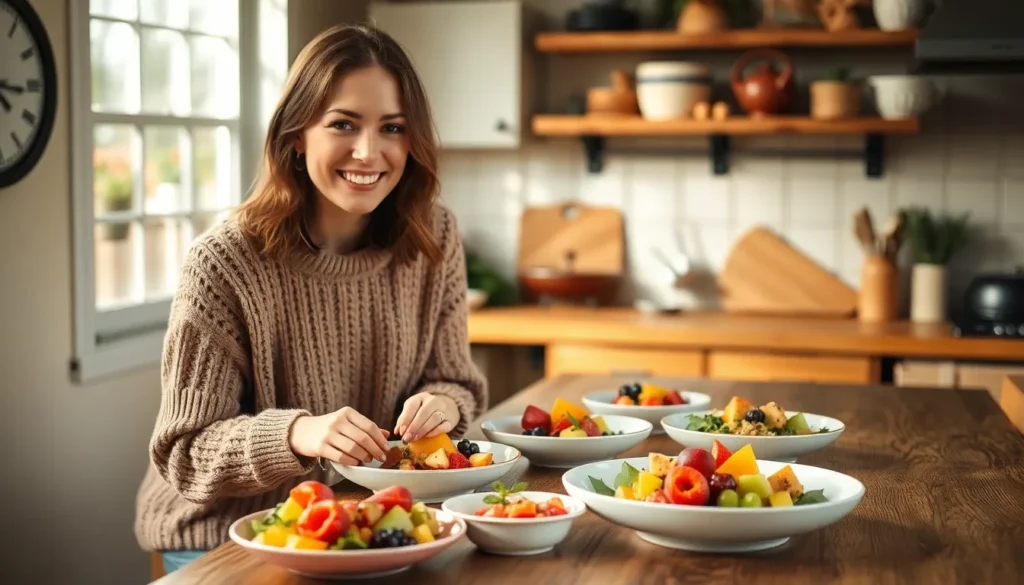

In a world where food is the new celebrity, capturing its best angles can feel like a daunting task. But fear not! With a sprinkle of creativity and a dash of technique, anyone can transform their kitchen creations into mouthwatering masterpieces. DIY food photography isn’t just for professionals; it’s for anyone who’s ever snapped a pic of their lunch and thought, “This deserves a magazine cover!”
Understanding DIY Food Photography
DIY food photography not only showcases culinary creations but also highlights individual creativity and style. With the right approach, beautiful images can capture the essence of a dish.
Importance of Food Photography
Food photography plays a crucial role in attracting viewers and engaging audiences. High-quality images stimulate appetite, drawing attention to recipes on blogs and social media. Stunning visuals create an emotional connection, compelling people to try new foods. Furthermore, enticing photographs encourage sharing and interaction, increasing visibility in a crowded digital space. Investing effort in food photography can enhance personal branding and promote culinary businesses effectively.
Common Challenges in Food Photography
DIY food photography presents several challenges. Lighting proves to be a frequent obstacle, as natural light can dramatically affect photo quality. Another issue involves styling efforts; arranging food attractively without overwhelming the viewer takes practice. Capturing textures and colors accurately requires technique and patience, especially when dealing with shiny or messy dishes. Lastly, maintaining consistency across multiple images is essential, yet often difficult for amateurs. Understanding these challenges aids in developing improved photography skills and results.
Essential Equipment for DIY Food Photography
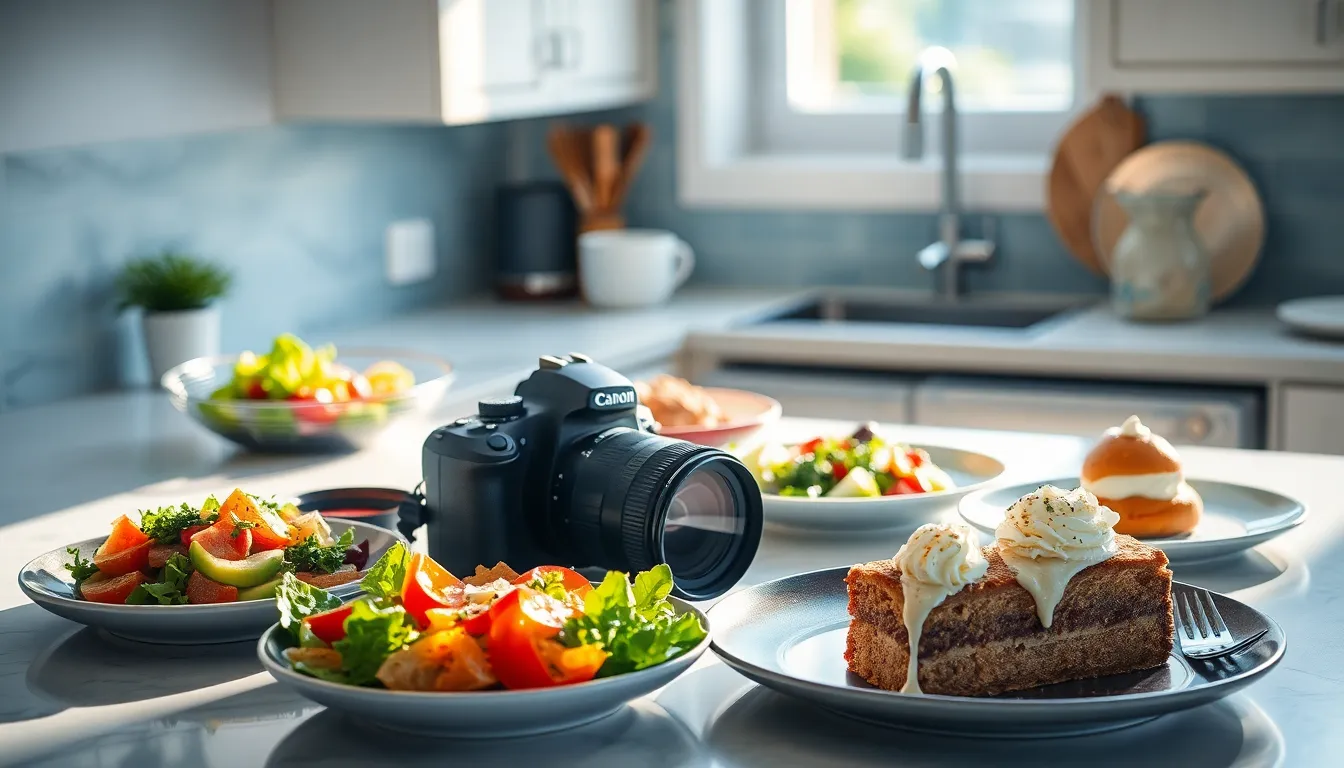
High-quality food photography relies significantly on the right equipment. Choosing the right tools enhances creativity and captures stunning culinary creations.
Cameras and Lenses
A DSLR or mirrorless camera provides excellent image quality and versatility. These cameras allow for interchangeable lenses, giving flexibility for various shooting situations. Prime lenses with wide apertures, such as 50mm or 85mm, capture sharp details and create beautiful bokeh. For wider shots, consider using a macro lens to highlight textures and intricate elements. Smartphone cameras also offer impressive capabilities, especially with advancements in technology. Many smartphones feature professional modes that allow adjustments for light and focus, making them great options for on-the-go photography.
Lighting Tools
Natural light stands as a preferred option for food photography, especially during golden hour. Windows let in soft light, reducing harsh shadows. However, artificial lights can serve as alternatives when natural light is insufficient. Softboxes or LED panels provide diffused lighting options to create a dreamy atmosphere. Reflectors assist in bouncing light onto food, filling shadows, and adding depth. Smartphone users can leverage portable ring lights for consistent illumination, ensuring that every shot presents food in its best light.
Techniques for Captivating Food Shots
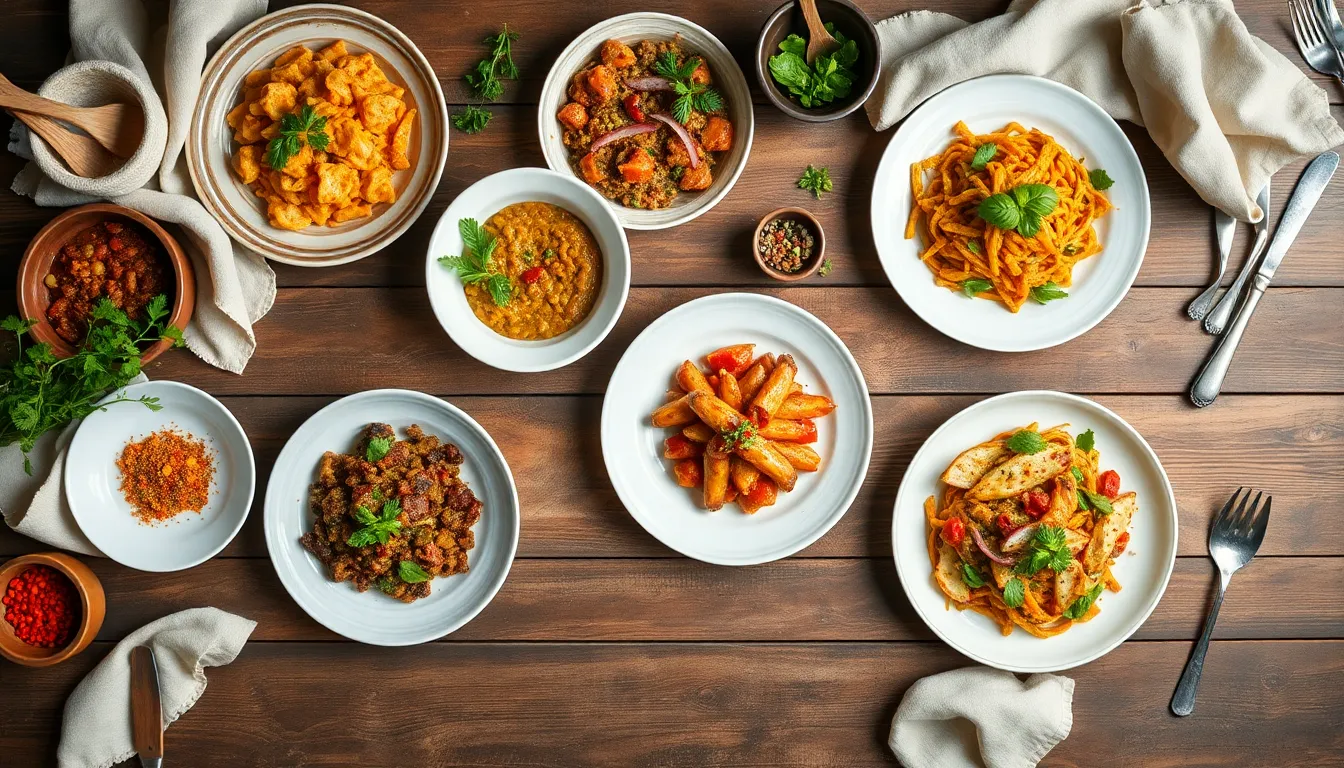
Capturing beautiful food images involves specific techniques that enhance visual appeal. Utilizing effective composition and thoughtfully selected props can significantly elevate food photography.
Composition Tips
Start by following the rule of thirds. Dividing the frame into nine equal parts creates balance and focuses attention on the food. Experimenting with different angles, such as overhead or 45-degree shots, showcases dishes effectively. Centering the main subject can also create striking images. Framing can enhance the scene, with elements like utensils or decor surrounding the dish. Always maintain a clean background to avoid distractions. Using leading lines guides viewers’ eyes toward the food, enhancing its importance.
Styling and Props
Choose props that complement the colors and textures of the food. Natural materials like wood or stone add warmth and authenticity to the image. Select dishes that enhance the presentation; white plates often make colorful food pop. Utilize fabrics, such as linen or cotton, for a rustic touch while setting the scene. Garnishes like herbs or colorful spices provide additional visual interest. Experimenting with height through stacked plates or layered textiles can create depth in the frame. Ultimately, a thoughtful selection of props and styling techniques elevates food shots significantly.
Editing Your Food Photos
Editing food photos transforms good images into great ones. A few key techniques and tools can elevate any food photograph.
Basic Editing Tools
Popular photo editing software includes Adobe Lightroom, Photoshop, and free alternatives like GIMP. Each tool offers unique features, such as cropping, adjusting exposure, and fine-tuning color balance. Users can quickly enhance images by applying filters and presets that maintain visual consistency. Mobile apps, such as Snapseed and VSCO, also provide user-friendly editing options for on-the-go adjustments. Beginners can achieve satisfying results by learning to navigate these tools effectively. Additionally, utilizing a specialized food picture editor can help streamline the process by offering features tailored specifically to culinary subjects.
Enhancing Colors and Textures
Vibrant colors and rich textures create mouthwatering food photos. Adjust saturation and vibrancy levels to make colors pop without appearing unnatural. Sharpness settings can define textures, allowing the details of food to shine. Applying a slight contrast can enhance depth, making images more visually appealing. Users should aim for accurate color representation to maintain authenticity. Using selective adjustments lets photographers highlight specific areas, drawing focus to crucial elements in the dish. These techniques combined help create captivating visuals that stimulate viewers’ appetites.
Sharing Your DIY Food Photography
Sharing DIY food photography effectively can elevate visibility and engagement. Utilizing the right platforms maximizes exposure and attracts an interested audience.
Social Media Platforms
Social media platforms are powerful tools for showcasing food photography. Instagram excels in visual storytelling, making it ideal for sharing vibrant food images. Facebook offers community interaction, enabling sharing in groups focused on culinary interests. Pinterest serves as a visual search engine, guiding users to delectable recipes and inspiring photography. TikTok allows for quick clips, blending food preparation with stunning visuals. Engaging with followers through comments and collaboration boosts visibility and encourages networking within the food photography community. Regularly posting high-quality images helps maintain audience interest.
Building an Online Portfolio
Building an online portfolio enhances credibility in food photography. A personal website serves as a central hub for showcasing best images and details about culinary skills. Including sections like a blog offers behind-the-scenes insights into creative processes and techniques. Using platforms like Squarespace and Wix provides customizable templates specifically designed for visual appeal. Displaying images in organized galleries highlights distinct photography styles and themes. Customer testimonials add credibility, showcasing satisfaction from previous clients. Regularly updating the portfolio with new work keeps content fresh and relevant, attracting potential clients and collaborations.
Conclusion
Embracing DIY food photography opens up a world of creativity and opportunity. With the right techniques and tools anyone can capture stunning images that not only showcase culinary creations but also engage and attract audiences. The journey from novice to skilled photographer is filled with experimentation and learning.
By understanding lighting composition and editing, individuals can elevate their food photography to new heights. Sharing these captivating visuals on social media platforms further enhances visibility and builds a personal brand.
Ultimately the joy of capturing beautiful food photos lies in the ability to tell a story and connect with others through the art of photography. Whether for personal projects or professional endeavors the possibilities are endless.