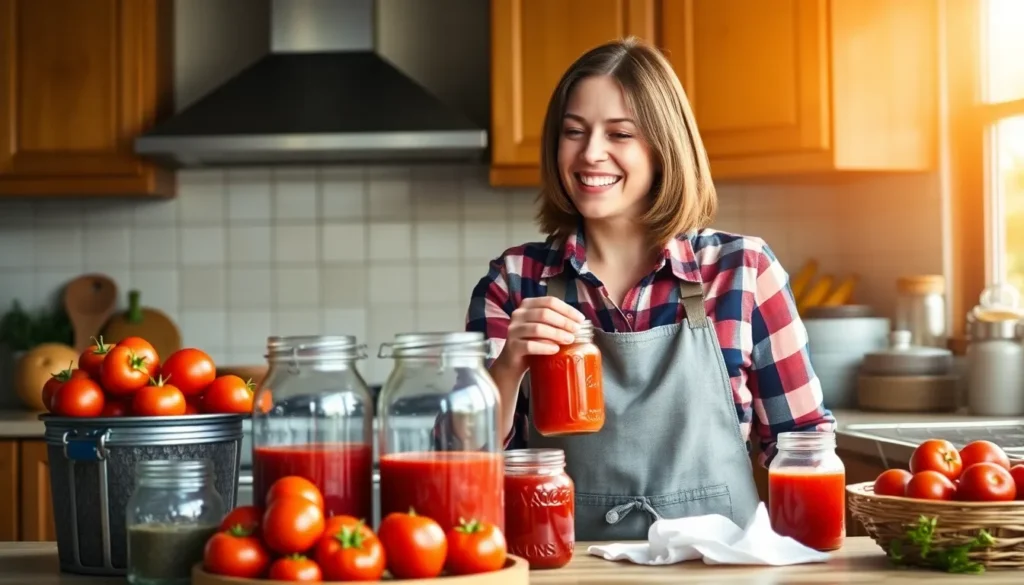

When life hands you an abundance of tomatoes, why not turn them into a deliciously preserved treasure? Canning food isn’t just a way to avoid waste; it’s a culinary time capsule that lets you savor summer’s bounty all year round. Imagine cracking open a jar of homemade salsa in the dead of winter, instantly transporting your taste buds back to sun-soaked picnics and backyard barbecues.
Food Able to Be Canned for Later Consumption
Canning serves as an efficient method for preserving food, enabling long-term storage while retaining flavors and nutrients. Various techniques exist for canning, including water bath canning and pressure canning, each tailored for different food types. Foods high in acidity, like tomatoes, often require water bath canning, while low-acid foods like vegetables and meats necessitate pressure canning for safety.
The process begins with sterilizing jars to eliminate bacteria, ensuring the food stored remains safe for consumption. After preparation, food items are packed into jars and sealed tightly, allowing for an airtight environment that prevents spoilage. During the heating phase, heat kills bacteria and creates a vacuum seal, essential for prolonging shelf life.
Many food items are suitable for canning, including fruits, vegetables, jams, and sauces. Fruits such as peaches and berries retain their flavor well during the canning process, while vegetables like green beans and corn offer convenience for home cooks year-round. Canning also supports waste reduction by allowing individuals to process excess produce, turning potential waste into preserved food supplies.
Nutrients remain largely intact during canning, which adds to the appeal of this culinary method. Canned foods can be stored for one to five years, depending on storage conditions and type of food. With proper techniques, canning also provides an opportunity for individuals to enjoy seasonal produce even in the off-season, enriching diets with diverse flavors throughout the year.
Benefits of Canning Food
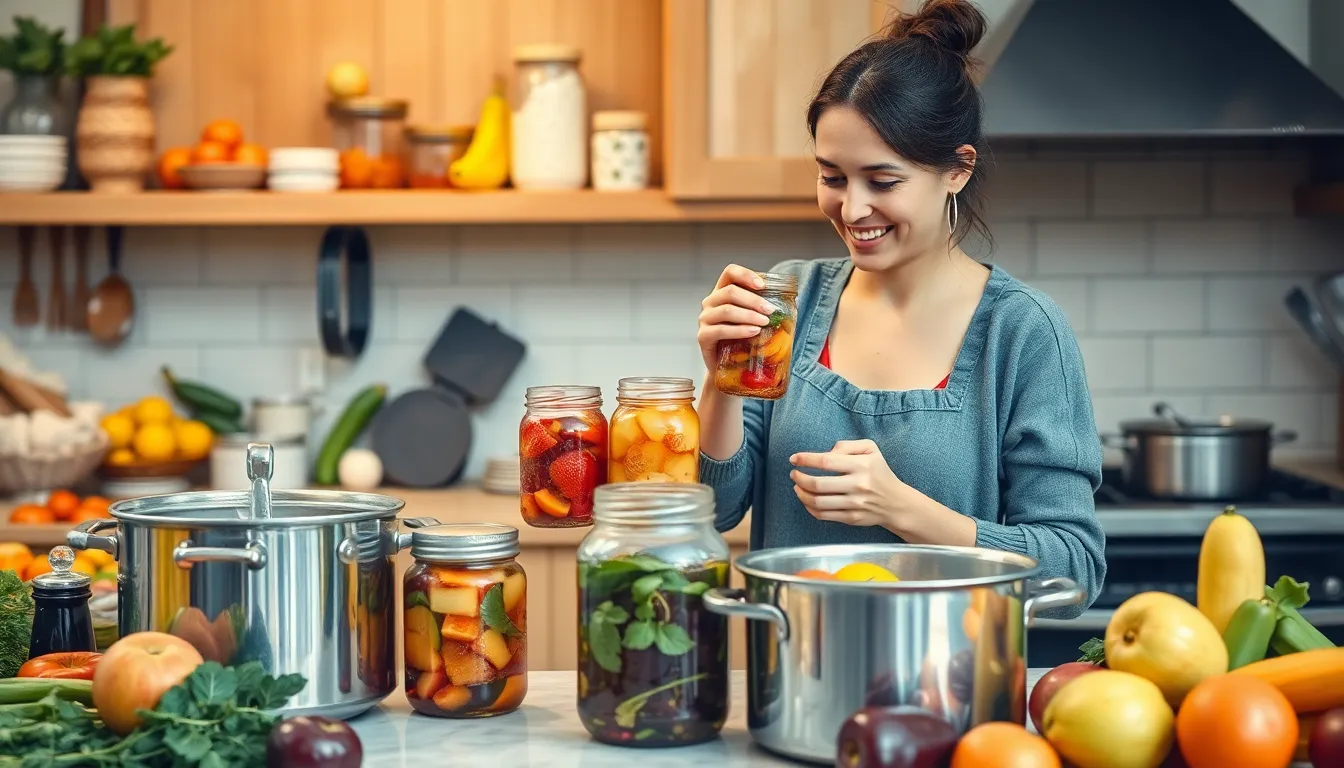
Canning offers several advantages, making it a popular choice for preserving food. This method enhances food storage, enabling enjoyment of seasonal flavors year-round.
Preservation of Nutrients
Canning preserves most nutrients effectively. Vitamins and minerals remain intact during the heating process. High-acid foods, like tomatoes, benefit from water bath canning, while pressure canning ensures low-acid foods retain their nutritional value. Nutrients largely survive the canning process, allowing for longer shelf life without significant loss. Enjoying canned fruits and vegetables helps maintain a balanced diet and provides essential nutrients even in the off-season.
Cost-Effectiveness
Canning food proves to be budget-friendly. Individuals can buy in bulk or process surplus produce, reducing grocery bills. This method minimizes waste by making use of seasonal abundance. Home-canned foods offer significant savings compared to store-bought options, which often include added preservatives and higher prices. Over time, the initial investment in canning supplies pays off, leading to a more cost-effective way to stock up on healthy, delicious food.
Popular Foods for Canning
Canning offers a vast array of foods suitable for storage, allowing for year-round enjoyment. Here are some popular categories for preserving.
Vegetables
Commonly canned vegetables include green beans, carrots, and corn. Pack them into sterilized jars and process with a pressure canner for safe preservation. High-acid options like tomatoes work well in a water bath canner. Preserved vegetables retain nutrients and flavors, making them perfect for soups and stews. Ensure all vegetables are fresh and free from bruises for optimal taste.
Fruits
Fruits like peaches, pears, and apples shine when canned. Peeling, slicing, and packing fruits with syrup enhance sweetness and appeal. Jars of canned fruit serve as refreshing snacks or dessert toppings throughout the year. Use ripe fruits for the best flavor and consider adding spices for a twist. Canned fruits maintain vitamins, providing healthy options during colder months.
Meats
Canning meats like chicken, beef, and fish provides a flavorful source of protein. Pressure canning ensures safe preservation, allowing for a variety of meals. When properly sealed, jars of canned meat can last for years. Process fresh, lean meats for optimal taste and texture. Use canned meats in casseroles, sandwiches, or salads for added convenience and nutrition.
Canning Process
The canning process involves specific techniques and equipment to ensure food safety and preservation. Understanding the steps and tools makes it easier to enjoy homemade foods year-round.
Equipment Needed
Essential canning equipment includes canning jars, lids, and a canning tool kit. Canning jars come in various sizes but consistently need to be free of cracks. Lids must create a proper seal, so new ones are recommended for each use. A pressure canner is necessary for low-acid foods, while a water bath canner suffices for high-acid items. Additional items, such as a jar lifter, funnel, and measuring equipment, enhance efficiency during the process.
Step-by-Step Guide
Start the canning process by sterilizing jars and lids in boiling water for ten minutes. After sterilization, pack the chosen food into the jars, leaving the required headspace. Fill each jar with boiling water or brine, ensuring food remains submerged. Wipe the rims with a clean cloth to remove any residue. Place the lids on tightly, then follow the appropriate method for processing. Water bath canning entails boiling jars for a specified time, usually based on the type of food. Pressure canning involves a precise temperature and pressure setting to safely preserve low-acid foods.
Safety Guidelines
Canning food safely ensures its longevity and quality for later consumption. Adhering to safety guidelines is essential in the process.
Proper Storage
Store canned goods in a cool, dark area. A consistent temperature between 50°F and 70°F works best. Avoid placing jars in direct sunlight or near heat sources, as this can compromise seals and lead to spoilage. Containers should stand upright to prevent leaks and ensure quality. Inspect jars regularly for signs of damage or bulging. Discard any jars with compromised seals, as this indicates a risk of bacterial growth.
Understanding Expiration Dates
Expiration dates play a crucial role in canned food safety. Generally, canned goods can last one to five years, depending on the food type. Foods high in acid, like tomatoes, typically have shorter shelf lives. On the other hand, low-acid foods, such as green beans, last longer. While canned foods may remain safe past expiration dates, quality may diminish. Trust your senses—if the can shows any abnormality, such as off smells or unusual colors, discard it immediately.
Conclusion
Canning food is an invaluable skill that not only preserves seasonal flavors but also promotes sustainability and cost-effectiveness. By mastering various canning techniques, individuals can enjoy a diverse array of nutritious foods year-round. This method empowers home cooks to reduce waste and make the most of their harvests.
With proper equipment and attention to safety guidelines, anyone can embark on a rewarding journey of food preservation. The satisfaction of opening a jar of homemade salsa in winter or savoring sweet peaches from summer is unmatched. Embracing canning enriches diets while fostering a deeper connection to food and its origins.