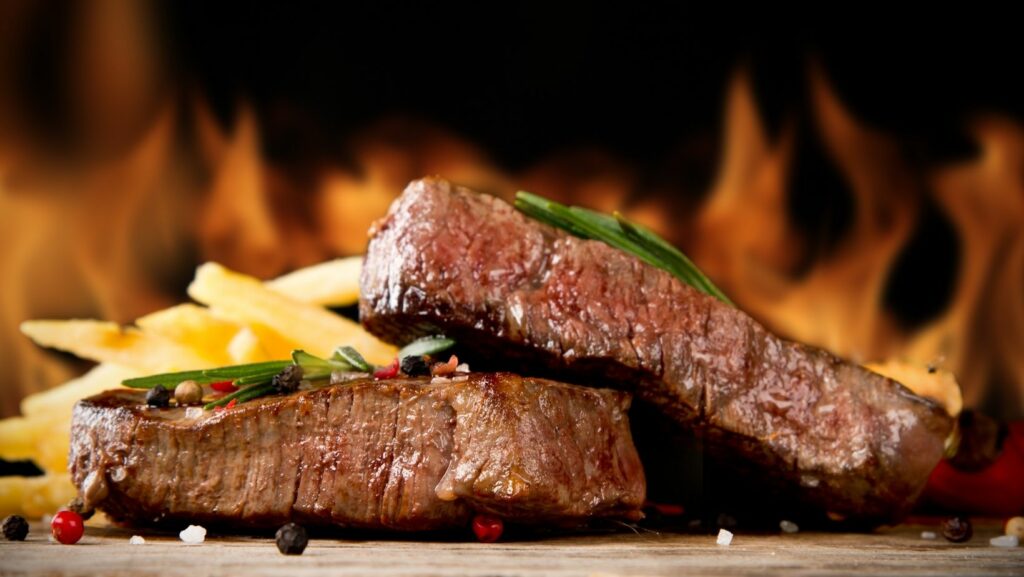


In a world where everyone’s a food critic thanks to social media, mastering food and drink photography isn’t just a nice-to-have—it’s a must. Whether it’s that mouthwatering burger or the perfectly crafted latte, capturing the essence of culinary delights can elevate any dish from mundane to Instagrammable. After all, who wouldn’t want to make their friends drool over a beautifully styled plate of spaghetti?
Understanding Food and Drink Photography
Food and drink photography plays a crucial role in attracting attention on social media. Capturing the essence and beauty of culinary creations helps enhance their appeal.
The Importance of Visual Appeal
Visual appeal significantly influences consumer choices. Stunning images compel viewers to crave the dish, increasing engagement and shares on platforms like Instagram. Dishes such as vibrant salads or decadent desserts evoke emotions through high-quality imagery. People tend to associate beautiful food presentations with better taste. As a result, restaurants and food brands benefit from investing in professional photography. The right compositions can transform a simple meal into an eye-catching masterpiece. Prioritizing aesthetics in food photography leads to improved marketing outcomes and enhances brand visibility.
Key Elements of Composition
Composition involves various elements that contribute to an impactful image. Lighting plays a vital role; natural light creates inviting scenes. Arrangement matters as well; careful placement draws the viewer’s eye to focal points. Additionally, color palettes enhance mood and appeal. Employing negative space strategically emphasizes the dish and eliminates distractions. Using different angles, such as overhead or close-up shots, showcases texture and detail effectively. Props and background settings complement the main subject and add context. Constantly experimenting with these elements leads to unique and compelling food photographs.
Techniques for Capturing Stunning Images
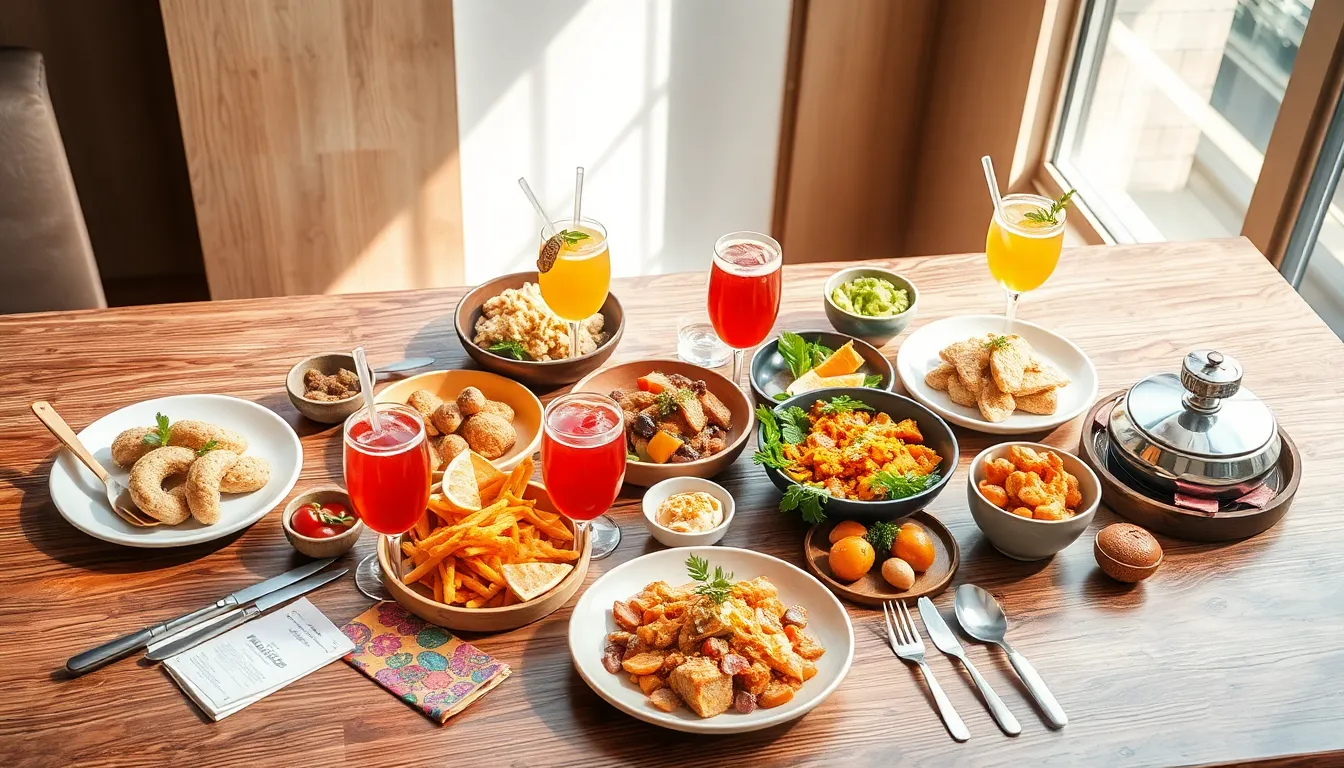
Mastering techniques enhances food and drink photography. Attention to detail makes images more engaging.
Lighting Tips and Tricks
Utilizing natural light dramatically improves visuals. Placing dishes near windows captures soft illumination. Shoot during golden hours, either early morning or late afternoon, to achieve warm tones. Diffusing harsh light with sheer curtains produces flattering effects. Avoid indoor overhead lights as they create unappealing shadows. Experimenting with reflectors can redirect soft light, adding dimension to images. Adjusting white balance settings ensures color accuracy, making food look fresh and appetizing.
Using Props and Backgrounds
Incorporating props elevates food photography by adding interest. Textured surfaces like wood or marble create appealing backdrops. Using utensils, napkins, or themed decor enhances the story behind each dish. Create contrast by selecting props that complement the colors of the food. Plain backgrounds allow the dish to stand out and command attention. Layering elements adds depth, transforming simple compositions into dynamic photos. Testing different arrangements fosters creativity and can lead to stunning results.
Editing Food and Drink Photography
Editing elevates food and drink photography, enhancing colors, contrasts, and details. Proper editing can transform basic images into mouthwatering visuals.
Choosing the Right Editing Software
Selecting the ideal editing software significantly influences results. Popular choices include Adobe Lightroom, Photoshop, and Capture One, each offering unique features. Lightroom excels in color grading, providing an efficient workflow for bulk editing. Photoshop offers advanced manipulation capabilities, ideal for precise adjustments. Capture One supports tethering, making it a favorite among professional photographers. Choosing software depends on specific needs and experience level.
Common Editing Techniques
Applying common editing techniques is essential for creating stunning photos. Adjusting exposure can brighten dark images, revealing intricate details. Enhancing saturation or vibrance often makes colors pop, drawing viewers’ attention. Cropping images allows for improved composition, focusing on the dish and eliminating distractions. Additionally, applying sharpening techniques can emphasize textures, making food look more appealing. Finally, using filters or presets can add a professional touch and maintain a consistent style across images.
Building a Food and Drink Photography Portfolio
Creating a strong food and drink photography portfolio involves thoughtful selection and presentation of one’s best work. Photographers should aim to showcase images that capture culinary delights, highlight unique styles, and emphasize technical skills.
Selecting Your Best Work
Choose images that consistently demonstrate skill in lighting, composition, and detail. Focus on pieces that evoke emotion and appreciate the aesthetic appeal of food. Highlight versatility by including a variety of food types and styles. Ensure that the selected images represent personal branding and unique artistic vision. Curate the portfolio to reflect recent work, as this maintains relevancy and showcases growth. Aim for a cohesive look that binds the pieces together, emphasizing a signature style.
Presenting Your Portfolio Online
Utilize user-friendly platforms to display the portfolio effectively. Choose websites that allow for easy navigation and visually appealing layouts. Incorporate high-resolution images to ensure clarity and impact. Descriptive captions enhance context and provide insights into the creative process. Share on social media to widen the audience reach and drive traffic to the portfolio. Consider SEO best practices, such as using relevant keywords and tags, to improve visibility. Regular updates keep the portfolio fresh and engaging, highlighting new projects and techniques.
Mastering food and drink photography is essential for anyone looking to make an impact in today’s visual-centric world. By focusing on composition lighting and editing techniques photographers can create mouthwatering images that not only attract attention but also drive engagement.
Experimenting with different angles props and backgrounds allows for unique storytelling through each shot. A well-curated portfolio showcasing these skills can significantly enhance a photographer’s visibility and appeal in a competitive market.
Ultimately the art of food photography transforms ordinary meals into extraordinary visual experiences that leave a lasting impression on viewers.