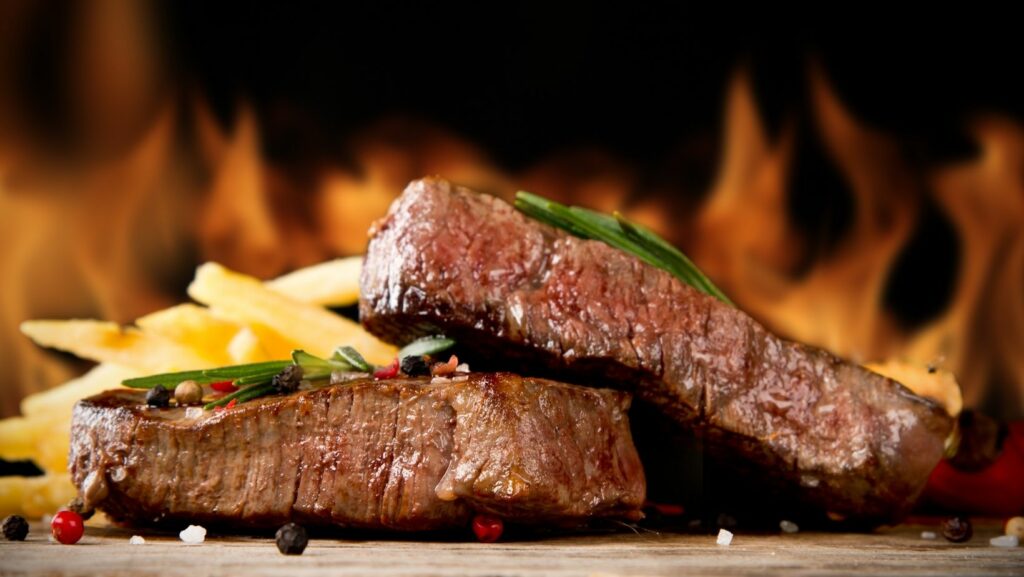
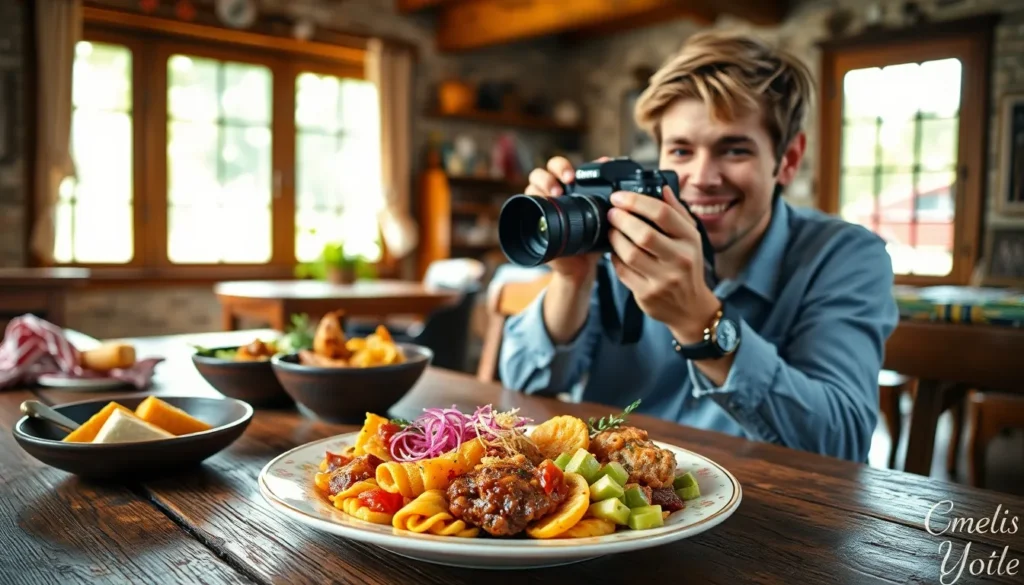

In a world where food is the new currency, capturing mouthwatering images can turn an ordinary meal into a social media sensation. Forget about the days of blurry snapshots; it’s time to elevate those culinary creations to Instagram royalty. With the right techniques, anyone can transform their food photos from drab to fab, making followers drool and engagement soar.
Understanding Food Photography for Social Media
Food photography plays a crucial role in social media engagement. High-quality images draw attention, enticing viewers to explore the content further. Platforms like Instagram thrive on visually stimulating posts, making it essential for food creators to master this skill.
Lighting is a key factor in capturing appealing food photos. Natural light often enhances colors and textures, making dishes look more enticing. Positioning food near windows can leverage this natural illumination, creating soft shadows that add depth.
Composition matters in food photography. Using the rule of thirds encourages more dynamic images: placing the subject off-center enhances visual interest. Experimenting with angles, such as overhead or 45-degree shots, showcases various aspects of a dish.
Props can elevate food photography to the next level. Incorporating utensils, linens, or complementary ingredients helps create context. Choosing props that match the food’s theme establishes a cohesive look and feel.
Editing tools offer significant opportunities for enhancement. Programs like Adobe Lightroom or apps such as VSCO enable alterations to brightness, contrast, and saturation. Many successful food photographers utilize these tools to refine their images, aiding in storytelling.
Captions also contribute to the overall impact of food photography. Writing engaging descriptions adds context to images. Creative captions can further entice users to interact with the post, encouraging comments or shares.
Understanding trends in food photography is vital for staying relevant. Keeping an eye on popular styles or themes helps creators adapt their approach. Whether it’s minimalism or vibrant colors, aligning with trends can increase visibility and engagement across social media platforms.
Essential Equipment for Food Photography
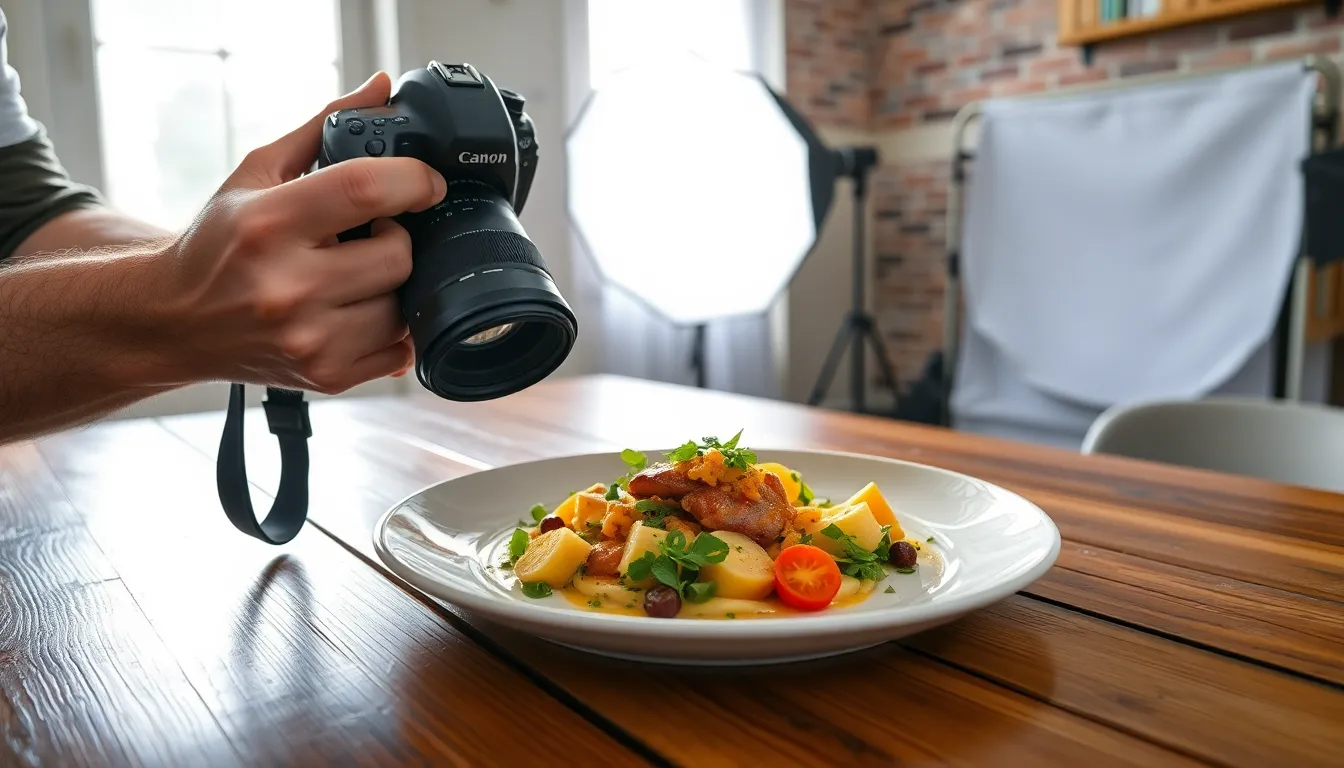
High-quality food photography requires the right equipment to make images pop. Investing in essential items enhances the overall quality and attractiveness of the photos.
Cameras and Lenses
Cameras play a crucial role in food photography. DSLR or mirrorless cameras provide versatility and superior image quality. Selecting a lens with a wide aperture allows for beautiful depth of field, making food stand out in images. Prime lenses, such as 50mm or 85mm, offer clarity and sharpness for detail-rich shots. For broader scenes, a zoom lens accommodates various compositions without the need to reposition frequently. Using a camera that supports manual settings enhances control over exposure and focus, critical for capturing the essence of the dish.
Lighting Gear
Lighting gear shapes the overall look of food images. Natural light often serves as the best source, illuminating colors and textures. When shooting indoors, use reflectors to bounce light and minimize shadows. Softboxes or ring lights provide consistent, diffused lighting, ideal for evening or low-light conditions. Incorporating adjustable LED lights can create dramatic effects or highlight specific features of a dish. Investing in a light meter can assist in measuring brightness levels, ensuring optimal exposure in every shot. Proper lighting equipment ultimately elevates the visual appeal of food photography.
Composition Techniques
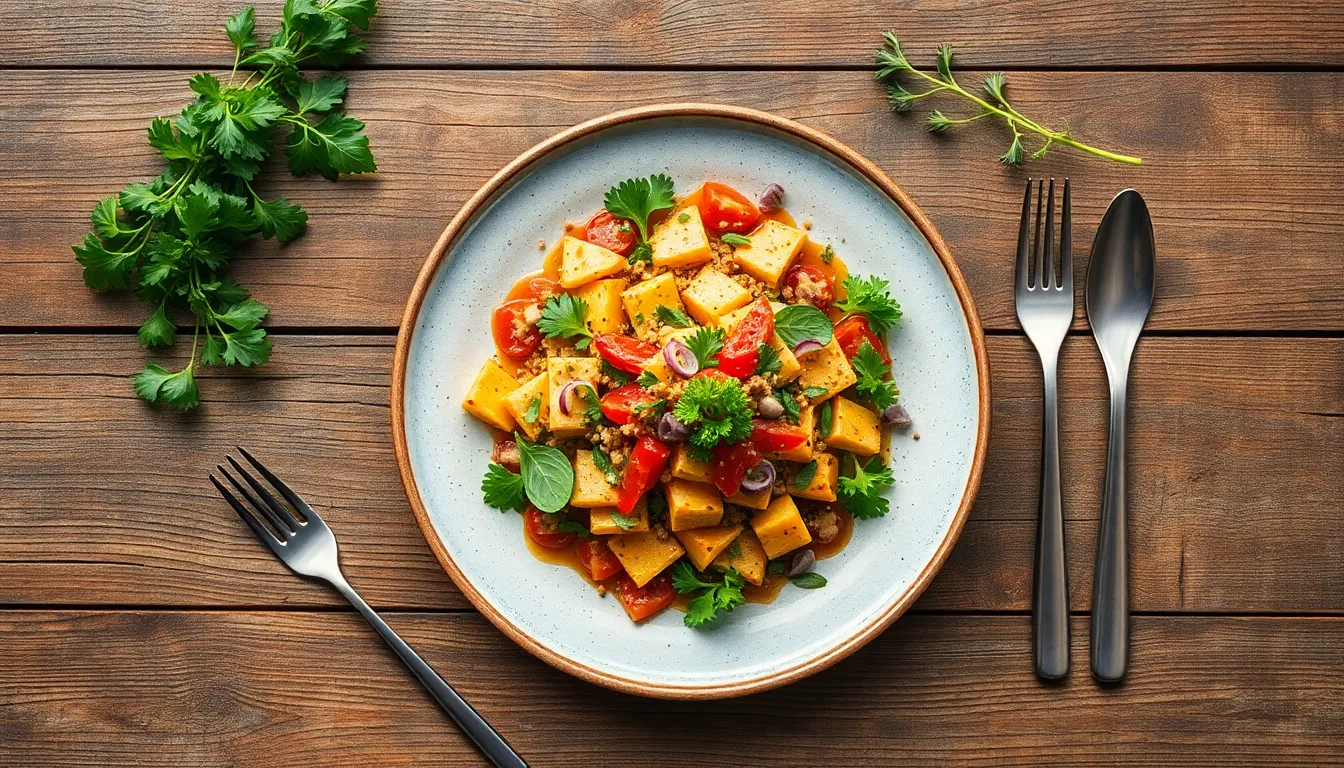
Effective composition is essential for captivating food photography on social media. Utilizing various techniques can enhance the visual appeal and storytelling of each image.
Rule of Thirds
The rule of thirds divides an image into a grid with nine equal sections. Placing key elements along the grid’s intersections or lines creates balance and interest. For instance, positioning a dish off-center draws viewers’ attention and makes the composition feel more dynamic. This technique also helps to emphasize important details, like garnishes or textures. Photographers can experiment with this approach to see how placement impacts the overall image.
Leading Lines
Leading lines guide the viewer’s eye through an image, creating a sense of depth. Utilizing natural lines, such as the edges of a table or utensils, directs focus toward the main subject. These lines can enhance storytelling by drawing attention to the food’s presentation or unique features. Photographers should seek out lines in their environment to illustrate connections and lead viewers through the frame. Experimenting with different angles highlights these elements and can transform ordinary shots into engaging visuals.
Styling Food for the Perfect Shot
Styling food for photography plays a crucial role in creating eye-catching images that resonate on social media. Attention to detail ensures a polished look that attracts viewers.
Props and Backgrounds
Using props adds depth and context to food photos. Items like utensils, napkins, or ingredients provide visual interest. Contrasting or complementary backgrounds make the dish pop. Wooden tables, colorful textiles, and minimalist surfaces enhance overall aesthetics. Choose backgrounds that harmonize with the food without overpowering it. Consider textures in both props and backgrounds for layered, engaging images.
Color Palettes
Color palettes significantly influence food photography’s impact. Use complementary colors to enhance visual appeal. Consider the dish’s natural colors when selecting a palette. Warm tones can evoke comfort, while cool tones suggest freshness. Harmonizing colors create a cohesive look that draws the eye. Explore different combinations to find what best highlights the food. Create a visually pleasing arrangement that evokes emotion and curiosity.
Editing Tips for Stunning Photos
Editing plays a crucial role in elevating food photography from ordinary to extraordinary. Use editing software like Adobe Lightroom or VSCO for streamlined adjustments and enhancing overall quality. Adjusting exposure enhances visibility and helps details pop.
Increase contrast to deepen colors and improve the richness of the image. Saturation adjustments allow for more vibrant tones, making the food visually appealing. Crop photos to focus on the subject, removing distractions that might divert attention.
Apply filters with caution. While filters can enhance aesthetics, they should retain the authenticity of the food. Consistency in editing style across images creates a cohesive feed, which attracts more followers and establishes a recognizable brand.
Experiment with sharpening techniques. This emphasizes textures, highlighting the details in dishes like freshly baked bread or vibrant fruits. Noise reduction also proves beneficial when dealing with images captured in low light, smoothing out any graininess without losing detail.
Consider using selective editing for specific areas. Highlighting textures or colors of particular ingredients can draw attention and tell a story. This method often makes an image stand out in the crowded social media landscape.
Utilize tools for shadows and highlights. These adjustments can create depth and dimension, giving a three-dimensional quality to images. Balance these settings to ensure that no detail gets lost in the process.
Most importantly, maintain a natural look. Over-editing can lead to unrealistic representations, which might frustrate viewers. Achieving a polished yet authentic appearance will resonate more effectively with audiences, driving engagement and interest in food photography.
Conclusion
Mastering food photography can elevate a social media presence and captivate audiences. By focusing on key elements like lighting composition and styling, anyone can create mouthwatering images that draw attention.
Utilizing the right equipment and editing tools enhances the overall quality of photos while maintaining a consistent aesthetic helps build a recognizable brand. Engaging captions and awareness of current trends further enrich the viewer’s experience.
With practice and creativity, food photography can transform ordinary meals into visual narratives that resonate with followers and encourage interaction. Embracing these techniques is essential for anyone looking to make a mark in the vibrant world of social media food photography.