
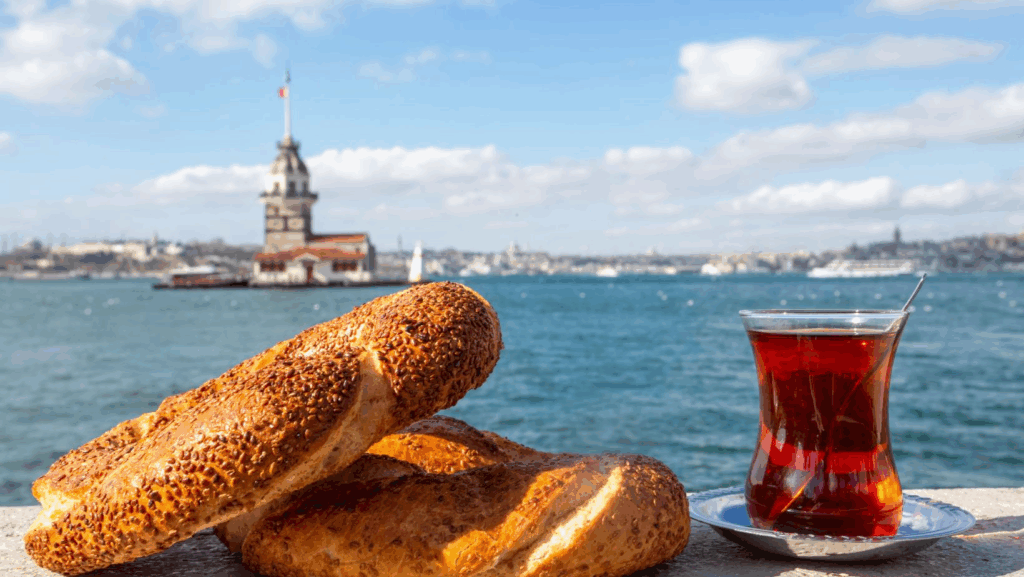

In a new city, there’s no better way to get the lay of the land than through food.
Each dish tells a story: of history, of immigration, of local resources, and community connectedness. So it’s no surprise that food tours have emerged as a popular and engrossing way for hungry travelers to experience a place. Forget the sightseeing; you’ll learn more in one afternoon with a good guide than you ever will bouncing around from restaurant to restaurant on your own. These aren’t tours focused solely on fine dining or a journey through the street food stalls. Instead, they attempt to put everything — the taste, the neighborhood, the tradition, the identity of a place — on the same plate.
Why Food Tours Matter
Food is so intimately connected to memory and emotion. Eating that fresh-baked pastry from a stand in the crowded local market or enjoying a meal of shared plates in the corner cafe does more than satisfy hunger. It builds relationships. Food tours focus on the craft-producers and independent, family-run establishments that can be hidden from the sight of the average tourist. Participating in a food tour both introduces you to extraordinary tastes and contributes to the economic vibrancy of the destination in a socially and environmentally sensitive way.
Gastronomy is also a way between cultures. Particularly in cities like Istanbul, the layers of history in its ingredients — Ottoman feasts one moment, Silk Road spice bazaars the next — are as rich as the mixed cultural influences. There is nothing like eating your way through history and the story of the developing world, and rarely have countries and cultures capitalized on others’ histories with similar success. People are now seeking out alternative experiences in the food world, like booking a gourmet food tour to get to the source of the dishes we love to eat, as well as the sounds and smells of a neighbourhood bound up in its own history.
What to Expect on a Food Tour
Food tours are highly unique, but most combine walking and tasting food at several stops. You may try coffee and freshly baked bread at a local bakery, sample street food at a market, and then eat a multi-course lunch at a hidden restaurant. Throughout the tour, interpretive conversations could range from cultural stories to visiting with local shopkeepers to how ingredients and recipes have evolved over the years.
The Future of Culinary Tourism

Culinary-based tourism is no longer just a fad; it’s driving people’s decisions on where to go. The World Food Travel Association found that 80% of travelers are interested in food or drink experiences when traveling, so naturally, the traditional food tour has evolved. Many excursions now come in a package deal with a distressed suitcase filled with fish in ice or a sunburn ingredient of the week. In fact, some tours incorporate cooking classes, farm-to-table experiences, or hold cooking classes with renowned chefs. The last question is how you actually get to the market.
Technology has also entered the scene. Virtual tastings and online food tours gained traction during the pandemic, and while in-person experiences have returned, hybrid formats remain popular. This innovation ensures that culinary traditions can be shared with audiences worldwide, even before they set foot in a new country.
Savoring the Journey
At a fundamental level, food tours are a form of storytelling, weaving together people, places, and customs via the worldwide medium of taste. To the adventurous traveler who hungers for more than just a meal, an authentic immersive experience that captures the cultural flavor of a locale also satisfies the soul.
Adventuring through the exotic spice markets in Istanbul. Sipping fine wines in Lisbon. Savoring fresh-caught seafood on the sun-drenched Mediterranean shores. Across the globe, a food tour is a reminder that the truest essence of any destination is sometimes found in the meal on your plate.