

Staying active is essential for maintaining a healthy lifestyle, but it’s no secret that the strain of physical activity can sometimes lead to aches, pains, and fatigue. Whether you’re lifting weights, running, or engaging in any type of exercise, muscle soreness and joint discomfort can often leave you feeling drained. Fortunately, incorporating anti-inflammatory foods and natural pain relief techniques can make a world of difference. These practices not only help with faster recovery but also boost energy levels and keep your body functioning at its best.
Understanding Inflammation and Its Impact on Active Lifestyles
Inflammation is the body’s natural response to injury or stress. When you push your body through physical activities like running or weightlifting, inflammation occurs as a result of muscle wear and tear. In the short term, inflammation is necessary for the recovery process. However, when it becomes chronic or excessive, it can lead to pain, fatigue, and hinder overall recovery.
For active individuals, managing inflammation is key to keeping performance at a high level. By incorporating foods that fight inflammation and addressing localized discomfort, you can enhance recovery, minimize pain, and maximize energy levels.
How Anti-Inflammatory Foods Can Improve Recovery and Reduce Pain
Adding anti-inflammatory foods to your diet can play a significant role in reducing inflammation and promoting faster recovery. These foods are rich in antioxidants, omega-3 fatty acids, and vitamins that help combat inflammation and repair tissues. Here are some of the best anti-inflammatory foods that can benefit active individuals:
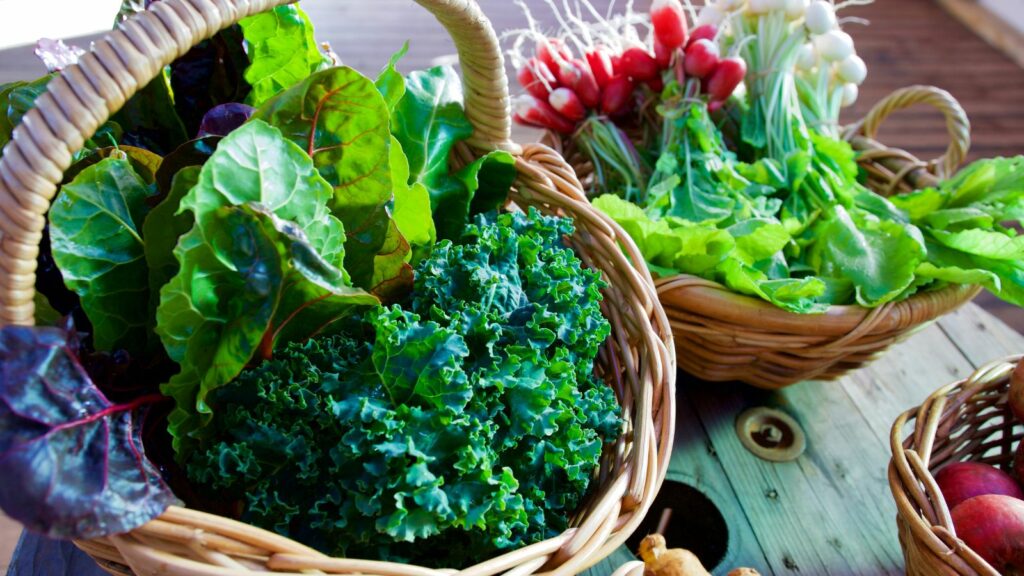
- Leafy Greens (Spinach, Kale, Swiss Chard): Full of vitamins and antioxidants, leafy greens are essential for reducing muscle stiffness and inflammation. These vegetables help your muscles recover faster and provide essential nutrients like magnesium, which is important for energy production.
- Fatty Fish (Salmon, Mackerel, Sardines): Rich in omega-3 fatty acids, these fish are known to block the production of inflammatory molecules. Omega-3s also improve circulation, helping to deliver oxygen and nutrients to the muscles more efficiently, speeding up recovery.
- Berries (Blueberries, Strawberries, Raspberries): Berries are packed with antioxidants like anthocyanins, which help reduce oxidative stress and inflammation. They also support energy levels, helping you stay active and recover more efficiently.
- Turmeric and Ginger: Both of these spices have strong anti-inflammatory properties. Curcumin, the active compound in turmeric, is known for its powerful ability to reduce pain and inflammation, especially in the joints and muscles. Ginger, on the other hand, helps alleviate muscle soreness and aids digestion, making it a perfect addition to post-workout meals.
Incorporating these foods into your diet can help alleviate muscle soreness, reduce joint pain, and boost overall energy, making it easier to stay active and feel your best.
Managing Localized Pain Naturally: Focus on Specific Areas
While inflammation affects the entire body, sometimes discomfort is more localized. For instance, many people experience pain on the side of the foot after extended physical activity, especially if they’ve been on their feet for a long time or wearing improper footwear. This kind of localized discomfort is common, but it can be managed effectively with a combination of anti-inflammatory foods and natural remedies.
For example, using natural anti-inflammatory oils like peppermint or eucalyptus can help alleviate pain and reduce swelling. Pairing this with a diet that includes anti-inflammatory foods can support faster healing of the affected area. Similarly, gentle stretches and regular movement can keep the foot flexible and promote blood flow to the injured region.
While localized pain can sometimes feel limiting, it’s important to address it directly. Adjusting your footwear, taking regular breaks, and incorporating more anti-inflammatory foods into your meals can help reduce discomfort in specific areas, allowing you to stay active and recover faster.
The Role of Anti-Inflammatory Foods in Energy Management
Chronic inflammation doesn’t just affect your muscles and joints—it can also zap your energy. When the body is inflamed, it requires more energy to function, leaving you feeling fatigued. The good news is that certain foods can help reduce systemic inflammation, giving you more energy and helping you perform at your best.
For example, omega-3-rich foods, such as fatty fish, help improve circulation and oxygen delivery to muscles, which can enhance your stamina and prevent fatigue. Likewise, antioxidants found in foods like berries combat oxidative stress and promote more efficient energy production at the cellular level.
By reducing inflammation with the right foods, your body can operate more efficiently, keeping energy levels high and making it easier to stay active throughout the day.
Combining Anti-Inflammatory Foods and Natural Pain Relief for Optimal Recovery
When it comes to optimal recovery, combining an anti-inflammatory diet with natural pain relief practices is essential. These two approaches work in tandem to help reduce systemic and localized inflammation, allowing your body to recover faster and with less discomfort.
For example, after a tough workout, having a meal rich in anti-inflammatory foods, like fatty fish or leafy greens, can aid in muscle repair and reduce the inflammation caused by exercise. If you’re dealing with pain on the side of the foot, you can apply a cold compress or elevate the foot to reduce swelling, while continuing to nourish your body with anti-inflammatory meals to speed up recovery.
To enhance your anti-inflammatory routine, you can consider incorporating nutrient-dense greens into your diet. Many people choose great greens powder as a convenient way to access a range of plant-based nutrients, including antioxidants and phytonutrients, which are known for their ability to help reduce inflammation and support overall health. These powders can be easily added to smoothies or shakes, making it simpler to nourish your body with anti-inflammatory properties throughout the day.
By addressing both internal inflammation (through diet) and external pain (through natural remedies), you create a balanced environment where your body is better equipped to heal and recover more efficiently. This combination allows you to stay active and regain your energy faster.
Quick Tips for Incorporating Anti-Inflammatory Foods into Your Diet
If you’re looking to add more anti-inflammatory foods to your diet, here are a few simple ways to get started:
- Start Your Day with a Green Smoothie: Blend leafy greens like kale with frozen berries, flaxseeds, and a dash of turmeric to create a nutrient-packed smoothie that reduces inflammation and boosts energy.
- Snack on Nuts or Seeds: Almonds, walnuts, and chia seeds are rich in healthy fats and antioxidants. They make for a quick and easy anti-inflammatory snack.
- Add Fish to Your Weekly Meals: Incorporate omega-3-rich fatty fish like salmon or mackerel into your meals at least twice a week to support recovery and reduce inflammation.
- Sprinkle Turmeric on Your Dishes: Turmeric can be easily added to soups, curries, smoothies, or even your morning oatmeal for an added anti-inflammatory benefit.
Conclusion
Combining anti-inflammatory foods with natural pain relief methods can help you recover faster, reduce discomfort, and boost your overall energy levels, allowing you to stay active and perform at your best. By adopting a diet rich in antioxidants, omega-3 fatty acids, and anti-inflammatory spices, and using targeted relief for localized pain, you give your body the tools it needs to recover efficiently.
Whether you’re dealing with soreness after a workout or pain on the side of the foot, addressing inflammation through diet and natural remedies is an effective way to enhance recovery and keep you feeling energized and ready to take on your next challenge.