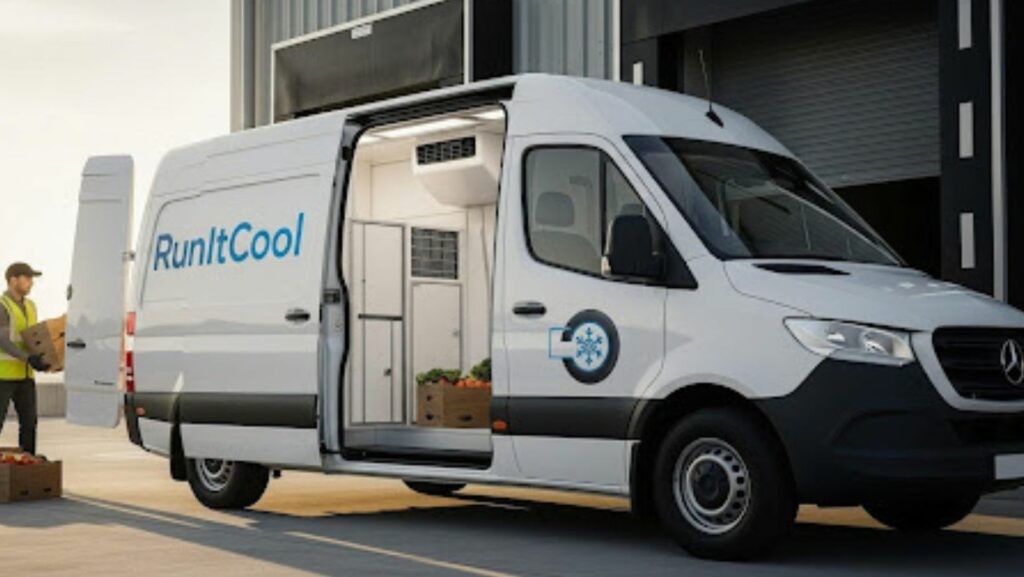

Modern supply chains face scrutiny from every direction as customers, regulators and producers all insist on assured stability. Run It Cool is an example of how carefully managed thermal transport gives firms the confidence to keep products moving without fear of deterioration. Organisations working with delicate produce have learned that dependable climate control can no longer be treated as an optional extra.
Food Producers Seeking Consistency
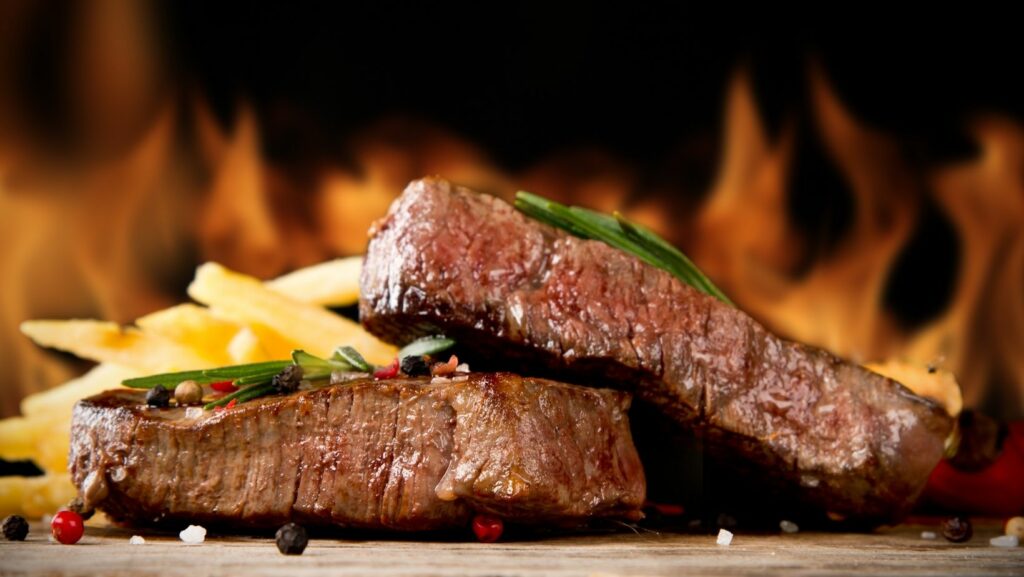
When exposed to either heat or cold beyond the recommended temperature range, perishable commodities start depreciating. Nowadays, farmers, processors and retailers are looking at finding transportation partners that retain freshness all the way through to the consumer. Groceries, dairy, meat, and ready-made dishes reach their destination in states that preserve taste, texture and ensure nutritional value due to the temperature-controllable environment. Supermarkets depend on this reliability to maintain well-stocked shelves and meet the growing consumer needs in terms of variety and quality.
Protecting Every Stage
Items are loaded in cooled storage to maintain stability of delicate items before trucks are dispatched out of the depot. Constant monitoring in turn averts undesirable fluctuations on the way. Drivers who have been trained in product sensitivity provide an extra level of protection in that they respond fast in case temperatures go beyond the specified range.
Pharmaceutical Transport Under Pressure
Medical suppliers cannot risk damage to vaccines, biologics, laboratory materials or essential drugs. Many of these treatments require narrow thermal windows to retain their potency.
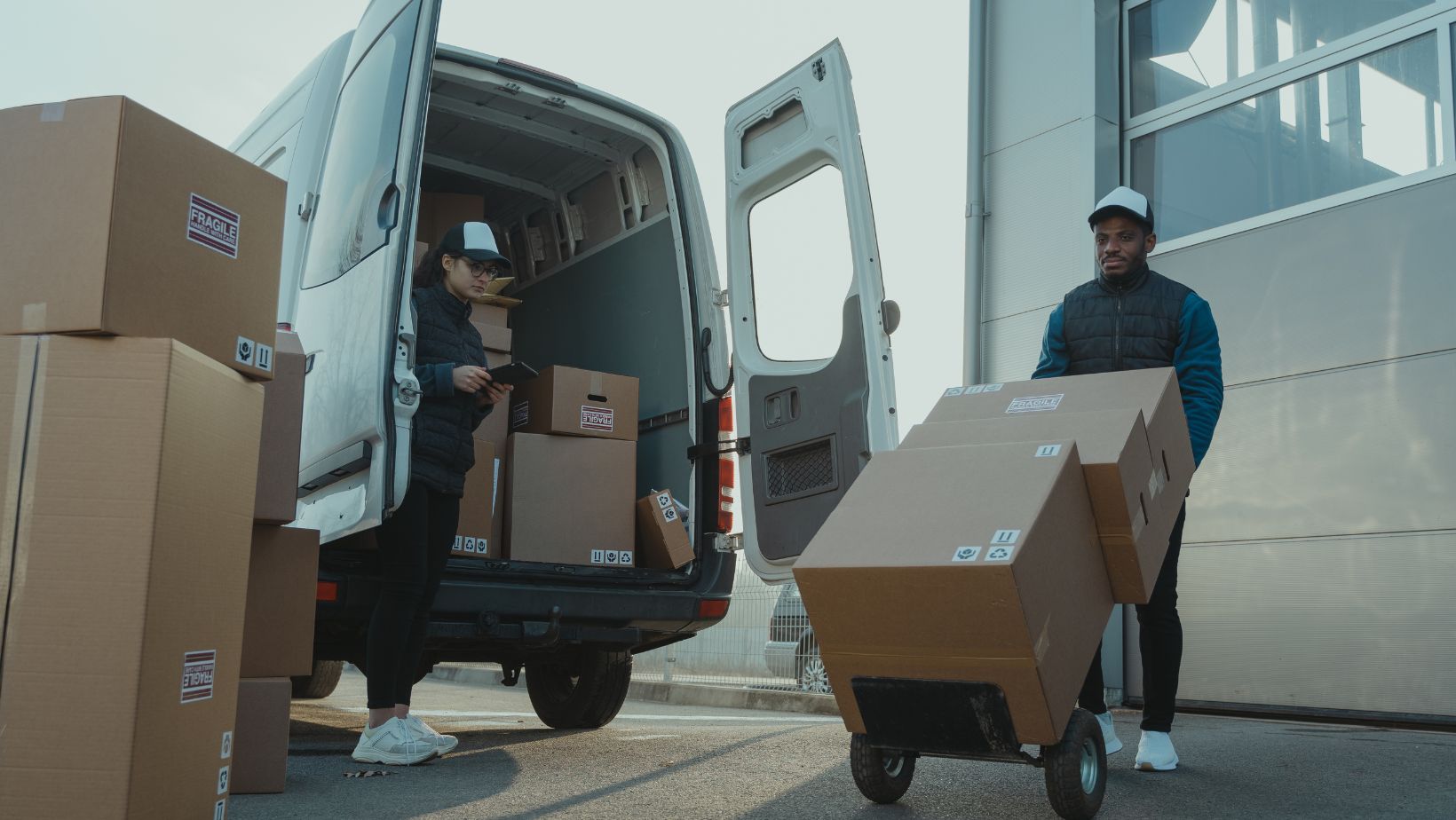
Precision controlled vehicles protect sensitive formulations from temperature fluctuations that might compromise their effectiveness. Clinics and hospitals depend on this careful movement to maintain uninterrupted care for their patients.
Safeguarding Public Confidence
Medical practitioners are confident in delivery partners who approach all deliveries with scientific care. Proper record-keeping of conditions during the journey will convince both regulators and clinicians that medication reaching its destination is of high standards in terms of safety. This transparent management fosters trust in society towards the broader healthcare system.
Expanding Online Delivery
Delicate goods that were previously transported through traditional retail channels are now in high demand due to digital commerce. Online orders for frozen and chilled goods must be carefully coordinated in order to maintain strict standards until they are delivered to the consumer. Couriers who can handle these demands assist vendors in keeping devoted customers who expect consistent delivery.
Maintaining Momentum
Service providers offering rapid turnarounds rely on real time tracking and active cooling to preserve texture and integrity. Grocery firms and meal kit companies use these capabilities to support punctual deliveries while protecting every element of the order.
Catering for High Value Cargo
Specialist producers often need tailored environments for artisan food, experimental materials or rare ingredients. Temperature controlled systems give these creators freedom to innovate without concerning themselves with logistical uncertainty. Secure conditions promote confidence during trials and allow smaller enterprises to supply national markets without risking spoilage.
Enabling Creative Growth
Entrepreneurs that deal with sensitive ingredients can play around with new recipes and formulas with confidence that their transportation company offers a consistent level of protection. This safety fosters innovative thinking that would otherwise be unattainable due to concerns over unpredictable conditions.
Environmental Responsibility in Modern Logistics
Sustainable practice now influences organisational direction across many sectors. Temperature regulated vehicles once consumed significant energy, but improvements in insulation and cooling technology reduce consumption while maintaining strict climates. Businesses using efficient systems show customers that they are committed to responsible operations.
Technological Improvements
Smart sensors reduce waste by regulating the power output when it is needed. Composite materials maintain the same interior temperature and reduce the necessity of active cooling. Such innovations enable the operators to deliver on the environmental expectation without compromising performance.
Strengthening Competitive Advantage
Climate controlled transport, which is reliable, provides companies with a competitive edge in highly competitive markets. Companies that provide quality services repeatedly are able to establish long lasting relationships with customers who value a reliable service. Retailers, laboratories and producers gain momentum when they know their goods will arrive exactly as intended.
Building Future Ready Supply Chains
The changing customer expectations also require transport networks that may respond to emerging challenges promptly and with assured confidence. The use of temperature controlled solutions facilitates agility, safeguarding the goods on more extended trips, diversified routes and fluctuating external factors. This strength is conducive to growth into new markets and enhances the pursuit of wider audiences.
The Road Ahead for Precision Logistics
Modern distribution in the United Kingdom has come to focus on temperature control. Food suppliers, health care providers, online stores and craftsmen are all dependent on stable conditions to safeguard their products. Consistent cooling and heating technology ensures that vital items maintain their intended quality from origin to destination. Companies which adopt such systems are capable of rising to the modern demands with confidence and preparing to achieve further expansion in a highly competitive environment.