
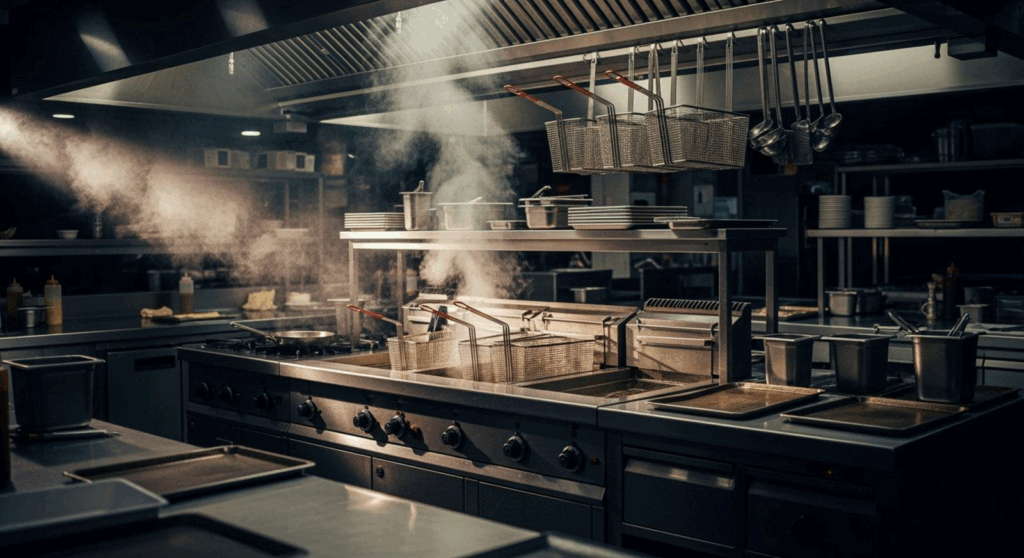

Many top restaurants have clever, sometimes questionable, ways of making their cooking oil last as long as possible. Since restaurants run on tight budgets, saving money on frequently used items like oil can really make a difference in their profits. Because of this, they use all kinds of tricks to use oil for longer-like careful filtering and mixing different oils together. These steps save money and keep the kitchen running smoothly. If you want to save your fry oil at home, you might find it interesting how these commercial habits can be used in your own kitchen.
Many top restaurants have clever, sometimes questionable, ways of making their cooking oil last as long as possible. Since restaurants run on tight budgets, saving money on frequently used items like oil can really make a difference in their profits. Because of this, they use all kinds of tricks to use oil for longer-like careful filtering and mixing different oils together. These steps save money and keep the kitchen running smoothly. If you want to save your fry oil at home, you might find it interesting how these commercial habits can be used in your own kitchen.
Knowing about these methods gives you a peek at how restaurants manage their costs. It’s not meant to be sneaky, but a way to make the most of every resource. As someone dining out, knowing how these techniques work can help you decide where to eat and maybe even encourage you to try your own oil-saving habits at home with an eye on both health and taste.
What Are Oil-Saving Tricks Used by Restaurants?
Restaurants are always thinking about how to work efficiently, especially when it comes to cooking oil. Most people eating out don’t realize that a big focus in restaurant kitchens is to get as much use out of oil as possible without lowering food quality. These practices aren’t purposefully hidden-they’re just industry standards that might seem unusual from a health standpoint. The process includes how oil is bought, stored, cleaned, and reused, all to keep costs down and limit waste.
Whereas you might toss oil after a single frying at home, restaurants often run their oil through filters so they can use it over and over. This not only saves money but also cuts back on the problem of disposing of large amounts of oil. Still, there’s a fine line between being careful and pushing oil past its safe or tasty limits-and many restaurants would rather guests not wonder too much about it.
Why Is Saving Oil So Important for Restaurants?
The main reason restaurants focus on oil savings is pretty simple: money. Cooking oil is a big expense, especially for places doing a lot of frying or sautéing. Think about a busy fast-food spot that uses huge amounts of oil every day. Switching oil less often saves a lot of money. Reducing oil waste also means they don’t have to pay as much for disposal or worry as much about environmental rules. If the used oil can be sold for things like biofuel, it’s another way the restaurant benefits financially.
Main Advantages for Restaurants That Stretch Their Oil
- Lower Costs: Less oil used means more money saved.
- Consistent Food Quality: Reused oil sometimes gives a better texture or taste, though too much use can do the opposite.
- Smoother Operations: Changing oil less often means fryers can stay in use longer and workers don’t have to stop as much for cleaning.
- Less Waste: Using less oil is better for the environment and helps restaurants look more eco-friendly, even if they don’t advertise it.
Big Myths About Cooking Oil in Restaurants
- “All Oil is Always Fresh”: Most places don’t use brand-new oil every time. Good management and filtering help, but oil is almost always reused.
- “Reusing Oil is Always Bad”: Regular filtering and care can make reused oil safe for a while. Problems happen when oil is used for too long.
- “Switching to Healthier Oils is Easy”: Expensive oils would make food cost a lot more, so most places stick with cheaper, versatile options.
Which Oils Are Most Common in Restaurants and Why?
Restaurants pick their cooking oils based on price, cooking needs, and taste results. Home cooks might like olive oil or butter, but restaurants usually need oils that are affordable, manage high heat, and have a mild flavor so they don’t change the taste of lots of different foods.
That’s why seed oils are everywhere in commercial kitchens. It’s a business decision based on how well these oils work for the demands of restaurant cooking.
Seed Oils Versus More Traditional Cooking Fats
Restaurants mainly pick between seed oils and more traditional fats. Traditional fats-like beef tallow, lard, or butter-hold up well under heat and don’t break down easily. Some groups, like the Weston A. Price Wise Traditions conference, go out of their way to avoid seed oils and use only traditional ones, even for big events.
Seed oils, on the other hand, include canola, corn, cottonseed, soy, sunflower, safflower, grapeseed, and rice bran oil. These oils are usually less stable at high heat, which makes them break down faster and create breakdown products that aren’t good for health. They’re also made using lots of heat and pressure, which can already damage them before they even get to the kitchen.
| Type of Oil | Key Features | Main Uses in Restaurants |
| Seed Oils(Canola, Soy, Corn, etc.) | Cheap, mild flavor, high smoke point | Frying, baking, sautéing, sauces |
| Traditional Fats(Tallow, Butter, Lard, etc.) | Stable at high heat, rich flavor | Specialty dishes, sometimes baking, high-end cooking |
Why Are Seed Oils Everywhere in Restaurants?
- Cheap in Bulk: Seed oils cost much less, especially when buying large quantities.
- Works for Almost Anything: Their high smoke point and bland flavor make them good for all sorts of cooking without changing how the food should taste.
- Handles the Heat: These oils can be used in hot fryers for longer before needing to be switched, saving more money.
How Oil Choice Impacts Taste, Money, and Health
- Taste: Neutral oils don’t interfere with the food’s natural flavors, but old, overused oil makes food taste greasy or stale.
- Costs: Cheaper oil helps restaurants keep menu prices down and profits up.
- Health: Cheap, high-heat oils, when reused, can produce harmful compounds that aren’t good for the body and increase the risk of health problems over time.
How Do Restaurants Make Their Oil Last Longer?
Restaurant kitchens are always looking to save on oil. They use a few different tricks to stretch out each batch, getting the most out of it without hurting food quality. These steps, like filtering, mixing oils, and managing the temperature, save them a lot of money.
Common Oil Stretching Methods
- Filtering: Used oil is run through filters to catch crumbs and other bits that would burn and make oil break down faster.
- Additives: Some places add chemicals to help oil last longer, although what this means for health is still being studied.
- Blending Oils: A cheap oil is often mixed with a small amount of a more stable one so it can be used at higher temperatures without the cost of using all “premium” oil.
- Adding Fresh Oil to Old: Sometimes just mixing in some new oil helps the batch last a bit longer, though it’s not a perfect fix.
- Temperature Control: Kitchens set fryers to the right temperatures and make sure they don’t get too hot when not cooking, which keeps oil from breaking down as fast.
- Smart Fryer Design: Modern fryers might allow food particles to settle at the bottom, so the top oil stays cleaner for longer.
Other Quiet Habits That Save Oil
Small choices add up, like using just a little oil for pan cooking, or reusing oil in ways where high heat isn’t needed. Every bit helps the restaurant cut down on their overall oil use.
How Do Oil-Saving Tricks Affect Your Food and Health?
While these oil-saving habits are good for the restaurant’s budget, they can change what ends up on your plate. After oil has been used many times, it starts to break down and make chemicals that can be bad for your health.
Possible Health Risks from Used Oil
- Broken-Down Oil: Each time oil is heated and reused, it loses vitamins and makes more unwanted byproducts.
- Formation of Unhealthy Compounds: Overused oil can develop trans fats, free radicals, and other harmful chemicals that may play a role in heart disease, diabetes, and other long-term health issues.
- Burnt Bits: Food particles left in oil can carbonize and even add cancer risks if eaten too often.
Trans Fats and Omega Imbalance
- Labeling Loopholes: Food products can say “0g Trans Fat” even if there’s nearly half a gram per serving, which can add up quickly when eating out a lot.

- Seed Oils and Chronic Inflammation: Too many seed oils can push the body’s omega-6 levels much higher than omega-3s, which can increase inflammation and the risk of disease.
Ways to Tell If Oil is Overused in Your Food
- Taste and Smell: Food may taste stale, overly greasy, odd, or have a bitter aftertaste.
- Color: Fried foods that look much darker than normal could show oil’s been used for too long.
- Texture: Instead of crisp, you might get soggy, oily, or hard crusts.
Is It Possible to Avoid Unhealthy Oils When Eating Out?
Trying to skip unhealthy oils in restaurants isn’t easy, since most places use bulk seed oils for nearly everything because of the cost. Still, with a little planning, you can cut down on exposure to oils you want to avoid.
What to Ask About Cooking Oils
- Look at the menu for mentions of olive oil, avocado oil, or tallow.
- If information isn’t given, ask the server, “What oil do you use for frying or cooking?” You can also ask if your dish can be cooked in butter or olive oil as a special request.
- For best results, try calling ahead or asking during less busy times.
Tips for Picking Lower-Risk Dishes
- Order foods that are grilled, roasted, baked, steamed, or poached; these methods don’t need much oil.
- Choose salads with oil and vinegar on the side, not the house-made dressing.
- Skip deep-fried, “crispy,” “golden,” or heavily sauced dishes that likely have the most reused oil.
- Breakfast? Ask for butter when possible for eggs or pancakes.
Restaurant and Cuisine Types with Better Oil Choices
- Mediterranean places often use olive oil-just make sure it’s not mixed with cheaper oils.
- Japanese (think sushi or lightly grilled items) uses less oil-avoid tempura though.
- “Farm-to-table,” organic, or health-focused restaurants tend to be better with ingredient quality, but always confirm if you care deeply.
- You can use apps like “Seed Oil Scout” to find restaurants with cleaner oil choices.
How Can You Avoid Hidden Kitchen Oil Practices?
While eating out means you’ll have to compromise a little, you can still limit your intake of reused, unhealthy oils. The main idea is to be thoughtful, ask questions, and choose wisely both outside and at home.
Smarter Restaurant Habits
- Ask about oils, and favor grilled, steamed, or roasted options.
- Order salad dressing on the side-better yet, just olive oil and vinegar.
- If you’re unsure, ask for butter or a different oil if the kitchen can do it.
- Pick restaurants known for fresh ingredients over fast food chains.
Bringing Your Own Oil: Does It Work?
Some people carry their own small bottle or packet of extra virgin olive oil for salads. This lets you skip less healthy dressings. But asking a restaurant to cook your meal in your oil isn’t usually possible-they can’t handle the safety, allergy, and preparation headaches that would come with it. Control what goes on your food after it reaches your table instead.
Cooking At Home to Avoid Risky Oils
- Remove corn, cottonseed, canola, and soybean oils from your pantry.
- Buy traditional, high-quality fats: butter (especially from grass-fed cows), real extra virgin olive oil, coconut oil, or animal fats like lard and tallow.
- Prepare your own salad dressings and cook from scratch as much as possible to keep out problematic oils.
Common Questions About Restaurant Oil Use
Do All Restaurants Reuse Oil?
Almost all restaurants, especially those with deep fryers, reuse their oil. They might clean or filter it each day or switch it less often in smaller places. How well they look after the oil matters more than whether they reuse it at all.
Is Olive Oil Used Much in Restaurants?
Restaurants do use olive oil, but mainly for salad dressings, light sautéing, or as a finishing oil. It’s not common for deep frying or large-scale cooking because it’s expensive and has a stronger taste than most restaurant foods require.
Why Aren’t Oil-Saving Practices Clearly Shared with the Public?
- Mentioning reused oil can worry customers, even if it’s done safely.
- Oil-saving techniques are part of how a restaurant keeps costs down and might be considered private to their business.
- Most diners are more interested in taste and atmosphere than the behind-the-scenes details.