


Imagine biting into a dish that tells a story—one that’s steeped in culture, tradition, and a sprinkle of local flair. Regional gastronomy does just that, transforming everyday meals into culinary adventures. From the spicy street tacos of Mexico to the rich pastas of Italy, each region boasts flavors that dance on the palate and transport diners to far-off lands.
Overview of Regional Gastronomy
Regional gastronomy encompasses the distinctive culinary practices that emerge from specific geographic areas. It showcases local ingredients, flavors, and cooking techniques that embody cultural heritage. Unique dishes often arise from the history and traditions of various communities.
Local ingredients play a crucial role in defining regional gastronomy. For example, the use of fresh herbs in Mediterranean regions enhances the flavors of dishes like Greek salads and Italian sauces. In contrast, hearty grains and root vegetables often characterize Central European cuisine, exemplified by dishes such as pierogi and schnitzel.
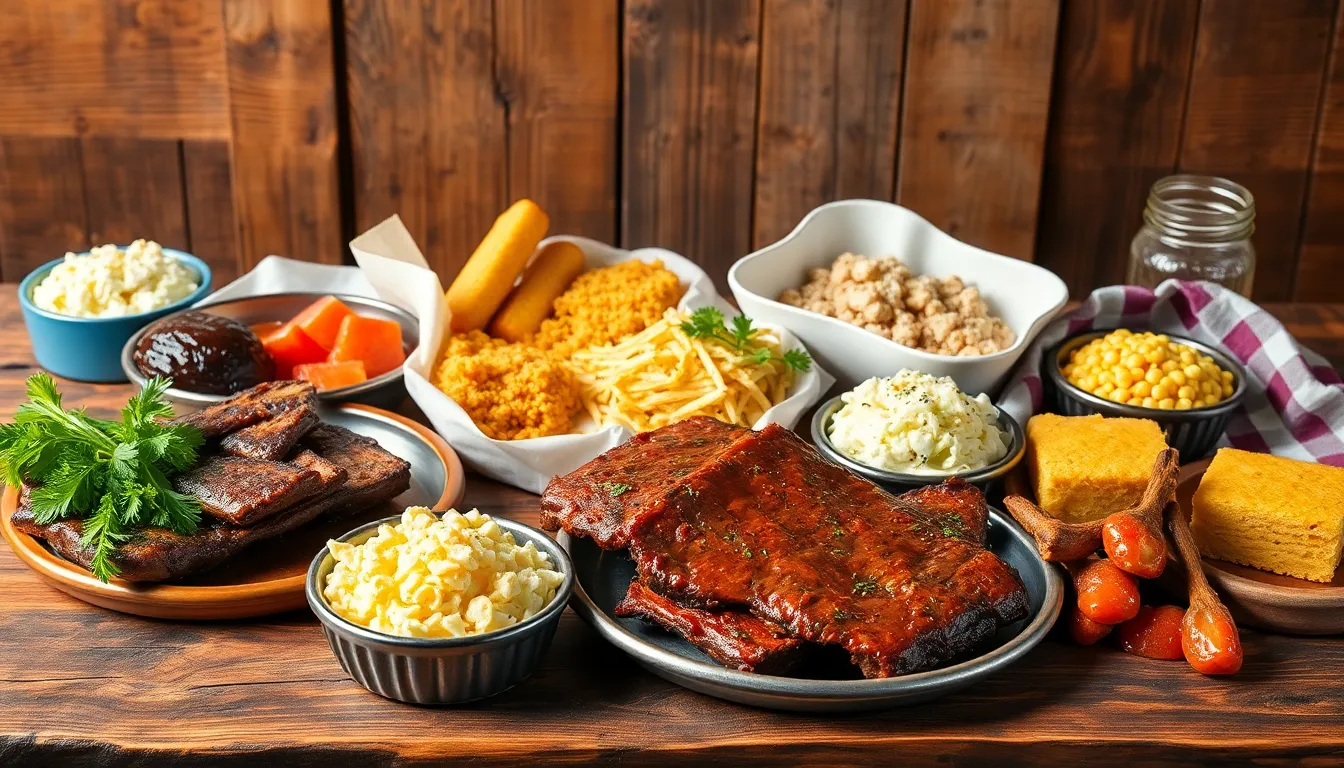
Culinary techniques also vary by region. In Japan, the art of sushi-making highlights precision and skill, reflecting the country’s commitment to aesthetics and freshness. On the other hand, Southern barbecue demonstrates a deep-rooted tradition of slow cooking, which enhances flavors through smoking and marination.
Seasonality reinforces the concept of regional gastronomy. Dishes frequently change throughout the year based on what ingredients are in season. For instance, summer brings a bounty of ripe tomatoes in Italian cuisine, while fall features pumpkins in American dishes.
Cultural influences shape regional gastronomy as well. Immigrant communities contribute to local food scenes, often blending traditions and creating new culinary experiences. A great example is California cuisine, which embraces diverse influences and focuses on fresh, local produce.
Understanding regional gastronomy involves more than just tasting food; it requires appreciating the stories behind each dish. Each culinary delight offers insight into the heritage, customs, and social structures of its origin.
Historical Background
Regional gastronomy has deep roots, shaped by centuries of cultural interactions and local practices. Each cuisine reflects the history and traditions of its people.
Origins of Regional Cuisines
Various factors contribute to the origins of regional cuisines. Climate plays a significant role, affecting which crops can be grown in a specific area. For instance, Mediterranean regions thrive with olive trees and grapes, leading to the creation of rich olive oils and wines. Local customs also influence culinary practices, as generations pass down recipes and techniques. The advent of trade introduced spices and ingredients from distant lands, enriching local flavors. Additionally, historical events such as colonization and migration shifted food availability and traditions. These dynamic factors combined create the distinct culinary identities found worldwide.
Influences on Modern Gastronomy
Modern gastronomy is influenced by myriad elements. Globalization has allowed chefs to access ingredients and techniques from diverse cultures, blending them into innovative dishes. Culinary schools and food media, such as television and social networks, have elevated awareness of regional cuisines. Furthermore, the rise of food tourism encourages travelers to seek authentic local experiences, promoting regional dishes on a global stage. Chefs often experiment with traditional recipes, incorporating contemporary techniques while honoring their origins. As a result, regional gastronomy continuously evolves, reflecting the tastes and values of modern-day consumers.
Key Characteristics of Regional Gastronomy
Regional gastronomy showcases the unique attributes of local food culture. By emphasizing specific ingredients and techniques, each region creates a distinct culinary identity.
Local Ingredients
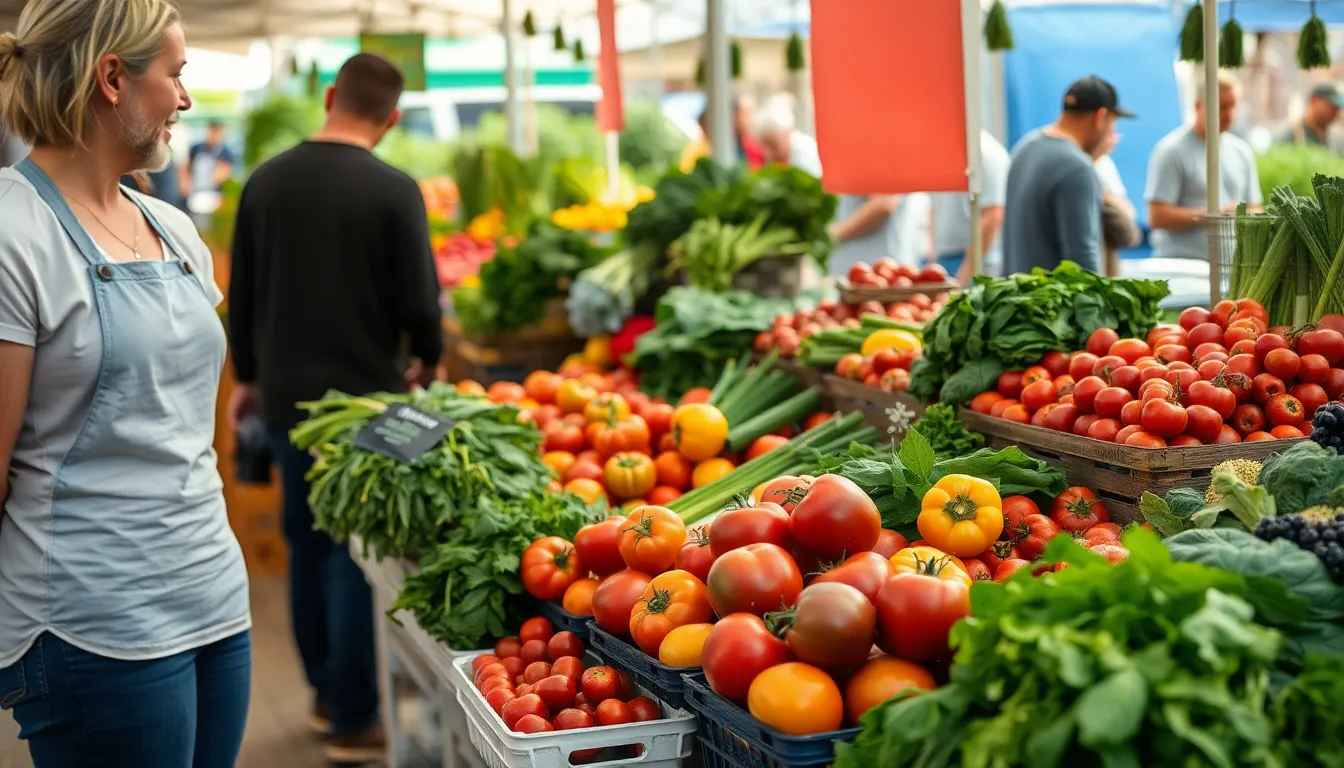
Fresh, locally sourced ingredients define regional gastronomy. These ingredients vary by region, reflecting the climate and soil conditions unique to each area. Farmers’ markets often provide access to seasonal produce, influencing the dishes available throughout the year. For example, coastal regions prominently feature seafood, while inland areas may focus on grains and root vegetables. Culinary traditions thrive when chefs utilize local herbs and spices, enhancing flavors and creating authentic experiences. The presence of traditional farming methods further enriches the culinary narrative, emphasizing sustainability and a connection to the land.
Traditional Cooking Methods
Traditional cooking methods elevate regional gastronomy, showcasing distinct culinary practices. Techniques such as slow roasting, fermenting, and wood-fired cooking each offer a unique flavor profile. Methods vary widely, demonstrating cultural influences and historical significance. For instance, the experience of sushi-making in Japan highlights precision and artistry, while Southern barbecue emphasizes slow cooking and smoke. Every technique carries a story, passed down through generations, reflecting regional values and heritage. Chefs often revive these time-honored practices, blending them with modern innovations to create new culinary delights while preserving tradition.
Notable Regional Cuisines
Regional cuisines represent the cultural essence of their respective areas, showcasing distinct ingredients, preparation methods, and flavors. Exploring notable cuisines reveals the diversity present around the world.
Mediterranean Cuisine
Dishes in Mediterranean cuisine reflect the region’s climate and geography. Olive oil forms a staple ingredient, lending flavor and health benefits to meals. Fresh fruits, vegetables, legumes, and grains are prominent in this cuisine, with Greek salad and Italian risotto exemplifying the variety. Spices and herbs enhance flavors, featuring prominently in dishes like Moroccan tagine. Local cooking methods, such as grilling and baking on stone, emphasize freshness and simplicity in Mediterranean culinary practices.
Asian Cuisine
Asian cuisine encompasses a wide range of flavors and techniques across multiple countries. Rice serves as a primary staple, whether in sushi from Japan or biryani from India. Rich spices create distinct profiles, with dishes like Thai green curry and Vietnamese pho showcasing bold flavors. Techniques such as stir-frying and steaming highlight the cuisine’s versatility. Regional influences, especially from rice paddies and coastal areas, shape culinary practices across continents, contributing to the dynamic nature of Asian gastronomy.
Latin American Cuisine
Latin American cuisine offers a vibrant tapestry of flavors and ingredients. Corn is a fundamental component, present in tortillas and tamales, connecting traditions throughout the region. Dishes like ceviche and mole illustrate the blend of indigenous and colonial influences. Various culinary techniques, including grilling and slow cooking, bring out the depth of flavors. Seasonal ingredients sourced from diverse landscapes, such as beans from the Andes and tropical fruits from Central America, enhance the unique character of Latin American dishes.
The Role of Regional Gastronomy in Culture
Regional gastronomy plays a vital role in shaping cultural identity and community connections. It reflects the unique essence of local traditions, fostering a sense of belonging among residents.
Culinary Heritage and Identity
Culinary heritage contributes significantly to cultural identity, encompassing traditional recipes and cooking techniques passed through generations. Each dish acts as a narrative, telling stories that embody the values and history of a community. Local ingredients serve as the backbone of these dishes, reinforcing the connection between the land and its people. Regions known for specific foods often experience pride and a sense of ownership over their culinary practices. For example, the use of Stone-ground corn in tortillas reflects the indigenous roots present in Mexican cuisine. As chefs and home cooks alike preserve these time-honored practices, they sustain their cultural identity through gastronomy.
Festivities and Traditions
Festivals and traditions often center around food, highlighting the importance of cuisine in communal celebrations. Seasonal events showcase local specialties, bringing people together to share meals steeped in cultural significance. In many cultures, dishes prepared during festivities reflect historical events or religious practices, strengthening community bonds. The preparation of tamales during the holiday season in Mexico presents a tradition of gathering, illustrating collaboration and shared experience. Food not only nourishes but also cultivates unity, embodying the spirit of celebration within regional gastronomy. As a result, local customs continue to thrive, connecting generations through the joy of shared culinary traditions.
Conclusion
Regional gastronomy serves as a vibrant tapestry woven from local ingredients and cultural heritage. It connects people to their roots and fosters community through shared culinary experiences. Each dish tells a story that reflects the land’s history and traditions, inviting diners to explore the essence of a region.
As culinary practices continue to evolve, the importance of preserving these traditions remains vital. By embracing and celebrating regional cuisines, individuals can appreciate the diverse flavors that shape their identities. This appreciation not only enriches personal experiences but also strengthens the bonds within communities, ensuring that the stories of the past are passed down through generations.