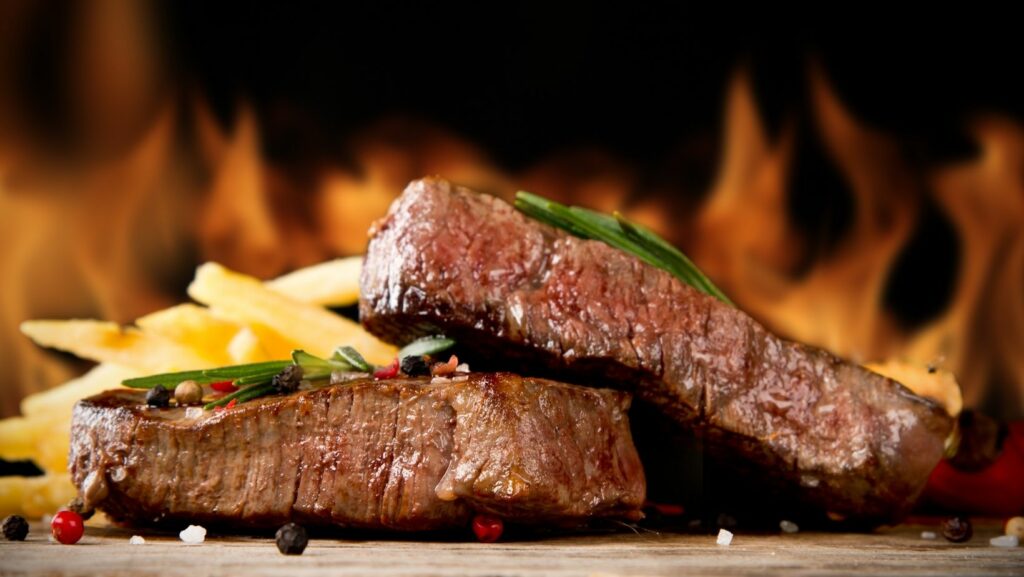


When it comes to food photography, nothing ignites the senses quite like spicy dishes. Imagine vibrant reds and fiery oranges that practically leap off the plate, tempting taste buds before the first bite. Spicy food photography isn’t just about capturing a meal; it’s an art form that tells a story of flavor, culture, and a little bit of heat.
What Is Spicy Food Photography?
Spicy food photography captures the allure of heat-infused dishes, showcasing their vibrant colors and textures. This genre of photography transcends ordinary meal presentations by transforming culinary experiences into visual narratives. Photographers focus on elements like bright red chilies, lush herbs, and glossy sauces to evoke excitement.
The essence of this style lies in its ability to elicit emotions and transport viewers into a world of flavor and culture. Texture becomes paramount, as the contrast between creamy sauces and crunchy garnishes draws the eye. The interplay of light can further enhance a dish’s appeal, highlighting steam or glistening surfaces.
Various techniques elevate spicy food photography. Close-up shots reveal intricate details like spices clinging to ingredients and droplets of sauce waiting to burst. Different angles can provide unique perspectives, such as overhead shots that showcase the arrangement of vibrant ingredients on a plate.
Background choice plays a significant role in emphasizing spicy elements. Simple, neutral backgrounds allow the food to shine, while colorful backdrops can complement or contrast with the dish’s hues.
Understanding the culture behind spicy cuisines enriches the storytelling aspect of the images. Each dish carries a history that reflects regional ingredients and traditional methods.
Ultimately, spicy food photography celebrates culinary arts while ensuring the aesthetic connection inspires viewers to experience the heat for themselves.
Essential Elements of Spicy Food Photography

Successful spicy food photography relies on several essential elements that enhance visual storytelling. Photographers utilize specific techniques to elevate images of heat-infused dishes.
Lighting Techniques
Lighting shapes the mood and highlights the vibrancy of spicy dishes. Natural light often works best, bringing out the textures and colors of ingredients. Using diffusers softens harsh shadows, creating a balanced effect. Positioning the light source to the side accentuates depth, making details pop in close-up shots. Overhead lighting can evoke a different ambiance but may wash out colors. Experimenting with both types helps to find the perfect fit for the dish.
Color Contrast
Color contrast plays a vital role in attracting attention to spicy food arrangements. Bold red chilies stand out against green herbs, creating a visually stimulating experience. Using complementary backgrounds further enhances the dish’s appeal. Placing dishes on neutral surfaces allows bright ingredients to shine without distraction. Additionally, incorporating garnishes introduces layers of color and texture that draw the viewer’s eye. Effective use of color not only captures interest but also conveys the vibrancy of spicy cuisine.
Tips for Capturing Spicy Dishes
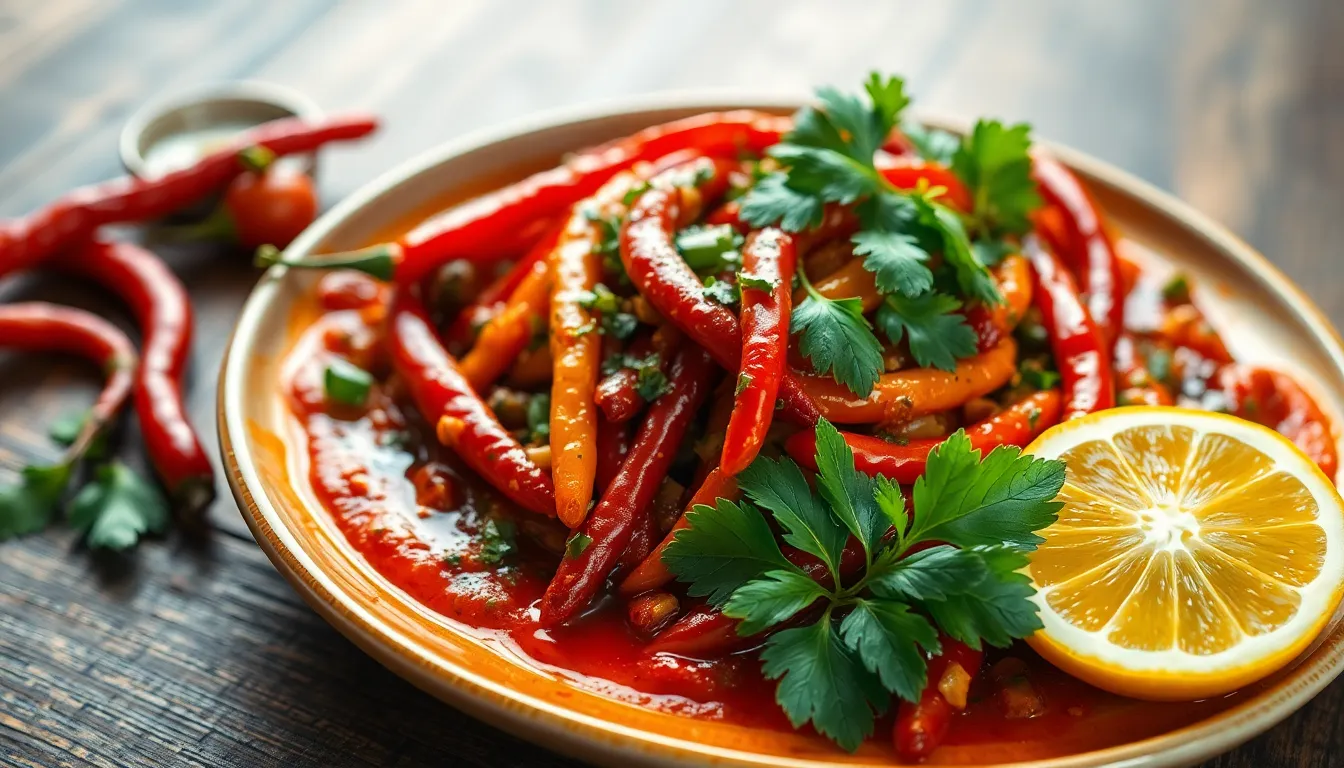
Capturing the essence of spicy dishes involves careful attention to angles and props.
Choosing the Right Angles
Experimenting with different angles reveals unique perspectives. Close-up shots highlight the textures that characterize spicy food, allowing viewers to appreciate the details. A 45-degree angle can create depth, enhancing visual dynamics. Overhead shots, on the other hand, offer a comprehensive view, showcasing multiple elements. Adapting angles based on the dish’s features maximizes appeal, drawing the viewer’s eye to key ingredients. Taking time to shift the camera’s position can uncover unexpected and captivating compositions.
Incorporating Props and Textures
Incorporating props enriches the overall scene. Using plates, utensils, or fabric that complements the dish adds context, enhancing storytelling. Textures, such as rough wooden surfaces or glossy ceramic, contrast beautifully with the smoothness of spicy sauces. Greenery, like fresh herbs or chilies, serves as effective accents to brighten visuals. Arranging these elements creatively adds layers and depth, creating a more inviting atmosphere. Combining colors and textures in thoughtful ways–such as contrasting dark backgrounds against vibrant dishes–maximizes the allure of spicy cuisine.
Editing Spicy Food Photos
Editing techniques elevate spicy food photography, enhancing visual impact and allure. Adjusting colors and applying filters can transform a good photo into a stunning visual masterpiece.
Enhancing Colors
Brightening colors can make spicy dishes more enticing. Increasing saturation showcases the vibrant reds of chilies and the rich greens of herbs. Adjusting the contrast brings out textures that create visual interest. For instance, a well-lit image with bold colors draws attention and invites cravings. Using software like Lightroom or Photoshop allows for fine-tuning specific color channels. Adding warmth often complements the excitement of spicy cuisine, making dishes appear more appetizing. Careful enhancement should preserve authenticity while amplifying elements that excite viewers.
Applying Filters and Effects
Filters can add a unique touch to spicy food photos. Softening effects may create a dreamy atmosphere that enhances the dish’s appeal. Applying clarity adjustments highlights details, revealing the intricate textures in sauces or garnishes. An appropriate vignette can focus attention on the main subject while subtly dimming the background. Each adjustment contributes to a cohesive narrative that captivates viewers. Experimenting with various filters helps photographers find the perfect style that resonates with the dish’s character. Consider using warm tones to emphasize a spicy theme, augmenting the viewer’s desire to experience the heat.
Conclusion
Spicy food photography not only captures the essence of heat-infused dishes but also tells compelling stories that resonate with viewers. By focusing on vibrant colors textures and cultural contexts photographers can create visual narratives that invite exploration and excitement.
Mastering techniques like lighting angles and editing enhances the allure of these images transforming ordinary meals into extraordinary experiences. Through thoughtful arrangement and attention to detail photographers can evoke emotions and inspire a deeper appreciation for the culinary arts.
Ultimately spicy food photography serves as a celebration of flavor culture and creativity inviting everyone to indulge in the vibrant world of heat.