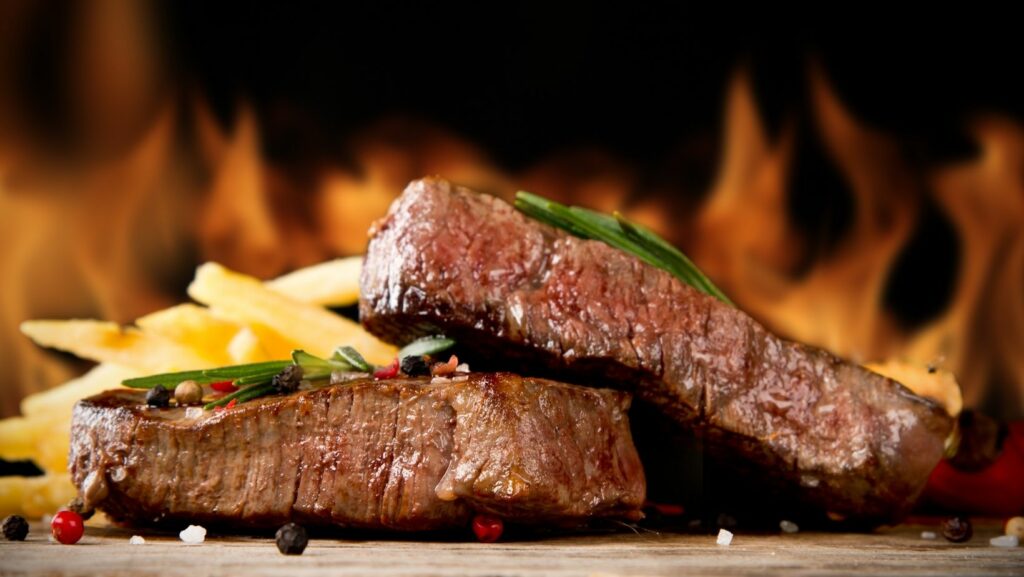
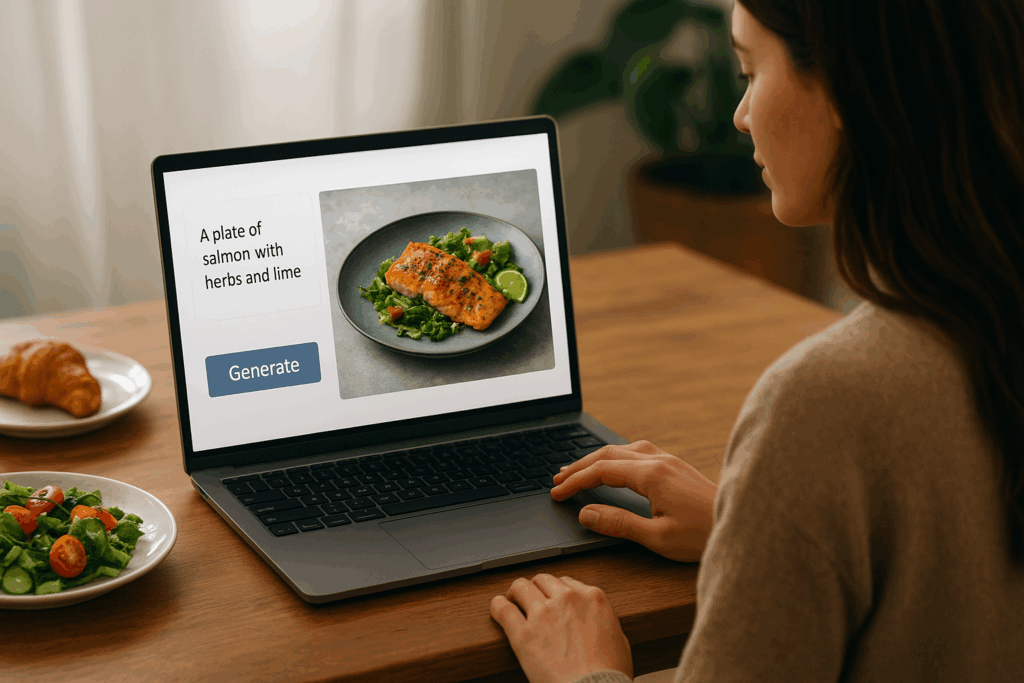

Food has always been more than just nourishment; it’s an experience, an art, and increasingly, a digital story. Whether you’re capturing the soft glow of restaurant lighting, highlighting a freshly plated dish, or curating vibrant culinary art shots for social media, food photography shapes how others perceive your work. With artificial intelligence becoming a central part of creative industries, the way you approach food photography is evolving quickly. Today, one of the most exciting tools shaping this future is the AI photo generator, which gives you the ability to create food visuals instantly, with just a few words.
From Traditional to Digital Food Art
Traditionally, food photography required a combination of professional lighting setups, precise food styling, and hours of patience to capture the perfect shot. While this remains true in many high-end scenarios, especially for culinary magazines or advertising, new technologies are giving you alternative ways to create compelling visuals. With the use of AI-driven algorithms, you can now describe a concept, a bowl of ramen in a cozy restaurant setting, or a rustic bread loaf with herbs surrounding it, and have it become a photorealistic image within seconds.
This doesn’t mean traditional photography is disappearing. Instead, AI is expanding your creative toolkit, making it easier to produce content for blogs, marketing campaigns, or casual posts. You don’t need to always rely on expensive setups or professional photographers; instead, you can complement your existing food photography with AI-generated visuals.
The Rise of AI Image Generation in Food Photography
AI image generation is especially valuable for food bloggers, culinary influencers, and restaurants seeking scalable visual content. With text-to-image systems, you can type in prompts such as “a plate of sushi styled with minimalistic plating and dramatic shadows” or “a coffee cup on a wooden table with natural morning light” and generate images ready for immediate use.
The flexibility is remarkable. If you run a food blog, you can quickly test multiple styles, bright, airy brunch spreads or moody dinner table aesthetics, without setting up different shoots. For food vloggers, pairing these generated visuals with your video content can enrich your storytelling. Platforms like Invideo AI already demonstrate how creators are blending text-to-image capabilities with video creation, using an AI video app in tandem with an AI photo generator to make cohesive, professional-looking content. What is possible in culinary storytelling is being redefined by the combination of still photographs and moving images.
Why AI-Generated Food Visuals Matter

One of the biggest advantages of AI-driven food photography is scalability. If you need 20 images of different cuisines for a marketing campaign, you no longer need 20 separate photo shoots. Instead, you can use AI to generate unique variations instantly. This saves you time, reduces costs, and still provides high-quality outputs suitable for professional use.
Restaurant owners can benefit by producing menu visuals that highlight food styling under varied lighting scenarios, from cozy low-lit dining rooms to bright outdoor brunch settings. Food marketers gain the ability to adapt images for specific campaigns, whether you’re targeting festive occasions or casual dining promotions.
Another critical area is accessibility. Not everyone has access to high-end photography gear or elaborate styling setups. With AI tools, you can compete with larger players by producing content that resonates with audiences visually, even if you’re just starting your food journey.
Crafting Food Photography with Text Prompts
The simplicity of creating AI images with text prompts makes this technology appealing for both professionals and enthusiasts. Imagine watching the idea come to life after entering “a gourmet burger with melted cheese, styled for a summer barbecue campaign.” For food vloggers, it’s an opportunity to enhance your video narratives with tailored visuals. For social media creators, it provides instant content you can use to stay consistent with posting schedules.
Even if you’re someone who enjoys experimenting with food styling, AI can help you test ideas before physically preparing the dish. You might generate an image of a dessert with a specific plating arrangement and then recreate it in real life, making the styling process more efficient.
Looking Ahead: The Future of Culinary Visuals
The next era of food photography is not about replacing creativity but about expanding it. By combining human vision with AI tools, you can craft visuals that go beyond traditional boundaries. Culinary art shots can be created with infinite variations, restaurant lighting effects can be simulated digitally, and food styling possibilities are virtually limitless.
For professional photographers, this means more time to focus on artistic direction while letting AI handle routine or experimental work. For marketers, it ensures faster campaign rollouts with consistent visual quality. For everyday creators, it means unlocking the ability to participate in the visual storytelling of food without steep entry barriers.
The AI photo generator has become more than just a novelty; it’s a tool that redefines how you think about food photography. From scalability and accessibility to creative freedom, it’s setting the tone for a future where anyone can turn culinary ideas into striking visuals instantly.
Conclusion
Food photography is evolving at a remarkable pace. As you balance traditional methods with AI-driven creativity, you’ll find new opportunities to tell culinary stories with depth and scale. Whether it’s experimenting with text-to-image prompts for a blog, designing visuals for a restaurant campaign, or enhancing a food vlog with AI-crafted shots, the tools at your disposal are growing richer every day. The AI photo generator is not just shaping the future of food photography; it’s placing that future directly in your hands.