
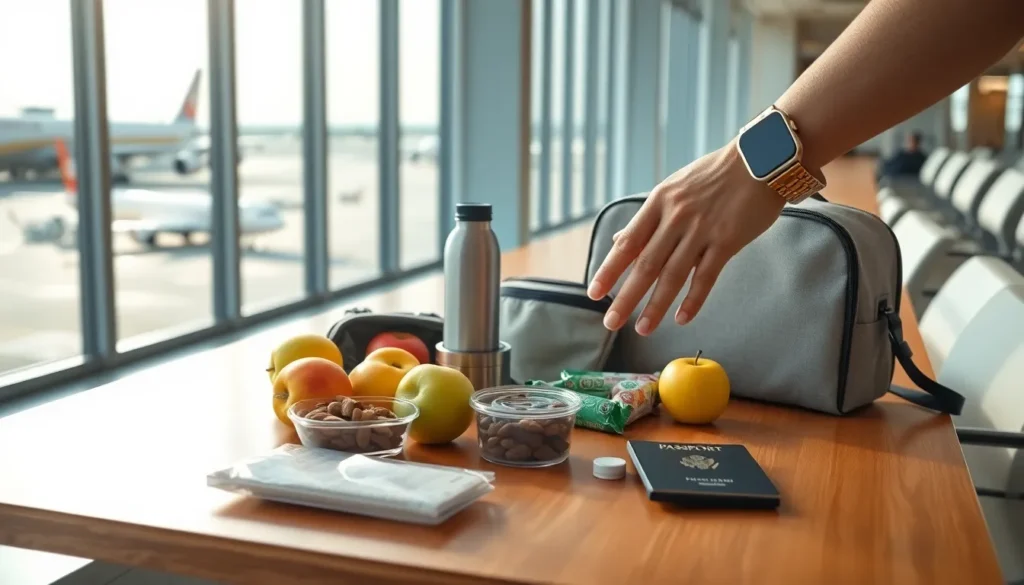

Travel food can make or break any trip. A well-planned eating strategy keeps energy levels high, saves money, and introduces travelers to unforgettable culinary experiences. Whether someone is road-tripping across states, flying internationally, or backpacking through Europe, food choices matter more than most people realize.
Good travel food goes beyond airport sandwiches and gas station chips. It means finding the right balance between convenience, nutrition, and adventure. This guide covers everything from packing the best portable snacks to discovering local dishes worth seeking out. Travelers will learn practical strategies for eating well on any budget, without sacrificing taste or their health goals.
Table of Contents
ToggleKey Takeaways
- Planning your travel food strategy before leaving home helps avoid overpriced meals and ensures dietary needs are met throughout your trip.
- Pack essential supplies like reusable water bottles, collapsible containers, and portable snacks such as nuts, energy bars, and fresh fruit to save money and maintain energy.
- Research local food customs and restaurant hours at your destination to prevent missed meals and discover authentic culinary experiences.
- Street food and local markets offer some of the best travel food experiences—choose vendors with high turnover and freshly cooked items for safety.
- Balance indulgence with nutrition by enjoying local specialties in moderation while incorporating vegetable-heavy meals and staying well-hydrated.
Planning Your Travel Food Strategy
A solid travel food strategy starts before anyone leaves home. Smart planning prevents hunger emergencies, reduces spending on overpriced airport meals, and ensures dietary needs get met throughout the journey.
Research Your Destination
Travelers should research food options at their destination ahead of time. This includes identifying grocery stores near accommodations, checking restaurant hours, and noting any local specialties worth trying. Apps like Google Maps, Yelp, and TripAdvisor provide valuable insights from other visitors.
For international trips, understanding local meal customs helps avoid surprises. Some countries eat dinner at 10 PM. Others close most restaurants on Sundays. Knowing these details prevents frustration and missed meals.
Pack Essential Supplies
Certain travel food supplies prove invaluable on almost every trip:
- Reusable water bottles with filters
- Collapsible food containers
- Basic utensils (spork, small knife)
- Ziploc bags for snacks
- Insulated lunch bag for perishables
These items cost little but save significant money over time. A reusable water bottle alone can prevent dozens of expensive bottled water purchases during a single trip.
Consider Dietary Restrictions
Travelers with allergies or dietary restrictions need extra preparation. Translation cards explaining allergies in the local language prove essential for international trips. Many travelers also carry emergency snacks that meet their dietary requirements, ensuring they always have safe options available.
Vegetarians, vegans, and those following kosher or halal diets should identify suitable restaurants before arrival. The HappyCow app works well for plant-based travelers, while specialized forums help those with religious dietary requirements.
Best Portable Snacks for Any Journey
The right portable snacks turn a difficult journey into a comfortable one. Travel food that packs well, stays fresh, and provides sustained energy makes all the difference during long flights, road trips, or train rides.
High-Energy Options
Nuts and seeds top the list of ideal travel food. Almonds, cashews, pumpkin seeds, and trail mix deliver protein and healthy fats without refrigeration. They’re lightweight, don’t crush easily, and provide lasting energy.
Energy bars and protein bars offer another convenient choice. Brands like RXBar, KIND, and Larabar use whole ingredients and travel well. Travelers should choose bars with at least 5 grams of protein and minimal added sugar for the best nutritional value.
Fresh Options That Travel Well
Some fresh foods handle travel better than others. Apples, oranges, and bananas survive well in bags. Baby carrots and snap peas stay crisp for hours without refrigeration. Hard cheeses like cheddar last longer than soft varieties.
Sandwiches with sturdy bread and non-mayonnaise-based spreads work for shorter journeys. Peanut butter and jelly remains a classic travel food choice that won’t spoil quickly.
Airport-Friendly Choices
Airport security allows most solid foods through checkpoints. Travelers can pack:
- Dried fruit and jerky
- Crackers and pretzels
- Granola and cereal
- Dark chocolate
- Rice cakes with individual nut butter packets
Liquids and spreads over 3.4 ounces must go in checked luggage or be purchased after security. This includes hummus, yogurt, and most dips.
Navigating Local Cuisine While Traveling
Local cuisine represents one of travel’s greatest pleasures. Trying regional dishes connects travelers to culture, history, and community in ways tourist attractions cannot match.
Finding Authentic Experiences
The best local travel food often exists away from tourist centers. Travelers should look for restaurants where locals eat, usually identifiable by local language menus, reasonable prices, and minimal tourist presence.
Food markets offer excellent opportunities to sample regional specialties. From Bangkok’s Chatuchak Market to Barcelona’s La Boqueria, these locations provide variety, authenticity, and affordable prices. Travelers can taste multiple dishes without committing to a full restaurant meal.
Street Food Safety
Street food provides some of the most memorable travel food experiences, but safety matters. Travelers should follow these guidelines:
- Choose vendors with high turnover (fresh food)
- Watch for food cooked to order rather than sitting out
- Look for clean preparation areas
- Trust busy stalls over empty ones
- Start with cooked foods before trying raw items
These precautions reduce risks while still allowing adventurous eating.
Embracing New Flavors
Open-minded eating leads to the best travel food memories. That unfamiliar dish might become a new favorite. Travelers who try local specialties, even unusual ones, often discover flavors they never knew they loved.
Asking locals for recommendations yields better results than guidebook suggestions. Hotel staff, taxi drivers, and shopkeepers usually know the best spots for authentic regional cooking.
Tips for Eating Healthy on the Road
Maintaining healthy eating habits while traveling presents real challenges. Restaurant portions tend toward excess. Schedules disrupt normal meal times. Temptations appear constantly. Still, travelers can prioritize nutrition without sacrificing enjoyment.
Balance Indulgence with Nutrition
Healthy travel food doesn’t mean avoiding all treats. The goal is balance. Travelers might enjoy a rich local dessert for dinner but choose a vegetable-heavy breakfast. They might splurge at a famous restaurant one night and cook a simple, nutritious meal the next.
This approach allows cultural experiences without derailing health goals entirely. Permission to enjoy local specialties, in moderation, actually helps most people maintain better overall habits than strict restriction.
Stay Hydrated
Dehydration causes fatigue, headaches, and poor decision-making, including food choices. Air travel especially dehydrates the body. Travelers should drink water consistently throughout their trip, not just when thirsty.
Carrying a refillable bottle serves as a constant reminder. In countries where tap water isn’t safe, travelers should budget for bottled water or use filtration systems.
Make Smart Restaurant Choices
Restaurant meals don’t have to sabotage health goals. Effective strategies include:
- Ordering vegetables as sides or appetizers
- Choosing grilled or baked options over fried
- Splitting large portions or taking half to go
- Requesting sauces and dressings on the side
- Starting with salad or soup to control hunger
These small adjustments add up over a multi-week trip. They allow travelers to enjoy local travel food while maintaining reasonable nutritional standards.