
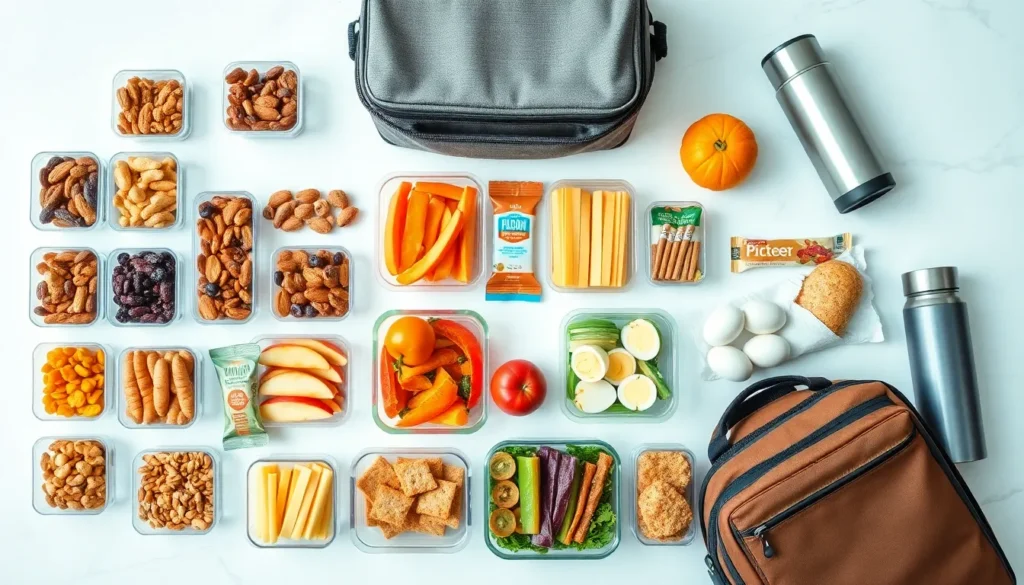

Finding the right travel food examples can make or break a trip. Nobody wants to rely on overpriced airport sandwiches or greasy gas station hot dogs. Smart travelers pack their own food, it saves money, tastes better, and keeps energy levels steady during long journeys.
Whether someone is planning a cross-country road trip, a domestic flight, or an international adventure, the right portable snacks and meals matter. This guide covers the best travel food options, from shelf-stable snacks to fresh foods that hold up in a cooler. It also includes practical tips for packing travel food safely so nothing spoils or gets confiscated at security.
Table of Contents
ToggleKey Takeaways
- Non-perishable snacks like nuts, dried fruit, and protein bars are essential travel food examples that stay fresh without refrigeration.
- Fresh foods such as whole fruits, cut vegetables, and hard cheeses travel well and provide better nutrition than processed options.
- Road trippers can pack cooler-friendly meals like mason jar salads and pasta salad, while flyers should stick to solid foods under TSA liquid limits.
- Keep perishable travel food below 40°F using ice packs, and use leak-proof containers to prevent messes in your bag.
- International travelers should research destination rules since many countries prohibit fresh produce, meat, and dairy at customs.
Non-Perishable Snacks for Long Trips
Non-perishable snacks are the backbone of any travel food strategy. They don’t need refrigeration, they’re lightweight, and they last for days (or weeks) without going bad.
Nuts and Trail Mix
Nuts pack protein, healthy fats, and calories into a small package. Almonds, cashews, and peanuts are classic choices. Trail mix adds variety with dried fruit, chocolate chips, or seeds. A handful provides quick energy without the sugar crash that comes from candy bars.
Dried Fruit
Dried mango, apricots, and apple chips satisfy sweet cravings naturally. They’re lighter than fresh fruit and won’t bruise in a bag. Just watch portion sizes, dried fruit contains concentrated sugar.
Crackers and Nut Butter Packets
Whole grain crackers paired with individual nut butter packets make a satisfying mini-meal. Many brands now sell single-serve almond or peanut butter pouches specifically designed for travel food situations.
Granola and Protein Bars
These are probably the most popular travel food examples for good reason. They’re compact, come in endless flavors, and provide a balance of carbs and protein. Look for bars with minimal added sugar and actual ingredients people can pronounce.
Jerky
Beef, turkey, or salmon jerky delivers serious protein in a shelf-stable form. It’s salty enough to satisfy savory cravings and keeps travelers feeling full longer than carb-heavy snacks.
Fresh Foods That Travel Well
Fresh travel food requires more planning, but it’s worth the effort. Real fruits and vegetables taste better than anything that comes in a crinkly wrapper.
Whole Fruits
Apples, oranges, and bananas are natural travel foods. They come in their own packaging (the peel), don’t need refrigeration for several hours, and provide vitamins that processed snacks lack. Grapes and berries work too, though they need a sturdy container to prevent squishing.
Cut Vegetables
Carrot sticks, celery, cucumber slices, and bell pepper strips travel well in sealed containers. They stay crisp for hours at room temperature and even longer with a small ice pack. Pair them with hummus cups for a complete snack.
Cheese
Hard cheeses like cheddar, gouda, and parmesan hold up better than soft varieties. Pre-sliced cheese or cheese sticks are convenient travel food examples that provide protein and fat. They’re fine at room temperature for a few hours, though a cooler extends their life significantly.
Hard-Boiled Eggs
Eggs are portable protein powerhouses. Peel them before the trip or bring them whole and peel when ready to eat. They stay safe at room temperature for about two hours, or longer with cooling.
Sandwiches and Wraps
A classic sandwich or wrap remains one of the best travel food options. Choose fillings wisely, peanut butter and jelly won’t spoil, while deli meat needs ice packs. Wraps often hold up better than sliced bread, which can get soggy or squished.
Easy Meal Ideas for Road Trips and Flights
Sometimes snacks aren’t enough. These travel food examples work as actual meals that travelers can eat on the go.
For Road Trips
Road trippers have more flexibility since they control the vehicle. A cooler opens up possibilities:
- Mason jar salads: Layer dressing at the bottom, hearty ingredients in the middle, and greens on top. Shake and eat when hungry.
- Pasta salad: Make it the night before. It tastes better cold anyway.
- Quesadillas: Cook them at home, wrap in foil, and eat at room temperature.
- Deli roll-ups: Skip the bread entirely and roll deli meat around cheese and vegetables.
For Flights
Airline travel food rules are stricter. TSA allows solid foods through security, but liquids over 3.4 ounces get confiscated. Smart flyers pack:
- Grain bowls: Quinoa or rice with roasted vegetables and protein. Keep any wet dressings in small containers under the liquid limit.
- Sushi: It stays fresh for several hours and doesn’t create strong odors that annoy fellow passengers.
- Bento boxes: The compartmentalized design keeps different travel food items separate and organized.
- Pizza slices: Cold pizza is a legitimate meal. It travels flat, doesn’t smell offensive, and satisfies hunger.
One important note: avoid bringing travel food with strong smells on planes. Fish, certain cheeses, and heavily spiced dishes will not win friends in a cramped cabin.
Tips for Packing Travel Food Safely
The best travel food examples become useless if they spoil or get ruined during transit. These tips keep everything fresh and safe.
Temperature Control
The danger zone for food sits between 40°F and 140°F. Bacteria multiply rapidly in this range. Perishable travel food should stay below 40°F with ice packs or above 140°F in insulated containers. When in doubt, pack non-perishables instead.
Container Selection
Leaky containers ruin bags and create messes. Use containers with secure, snap-lock lids. Glass is heavy but doesn’t absorb odors. Plastic works fine for most travel food, but avoid microwaving in plastic later. Silicone bags are reusable and space-efficient.
Strategic Packing
Put heavy items at the bottom of bags and delicate travel food on top. Wrap anything that could leak in an extra plastic bag as insurance. Freeze water bottles to use as ice packs, they double as cold drinks once they thaw.
Know the Rules
International travelers face additional restrictions. Many countries prohibit fresh produce, meat, and dairy products. Research destination rules before packing travel food to avoid confiscation at customs. Stick to packaged, commercially sealed items for international journeys.
Portion Planning
Pack enough travel food but don’t overdo it. Estimate how long the journey takes, add a buffer for delays, and pack accordingly. Overpacking creates unnecessary weight and waste.