
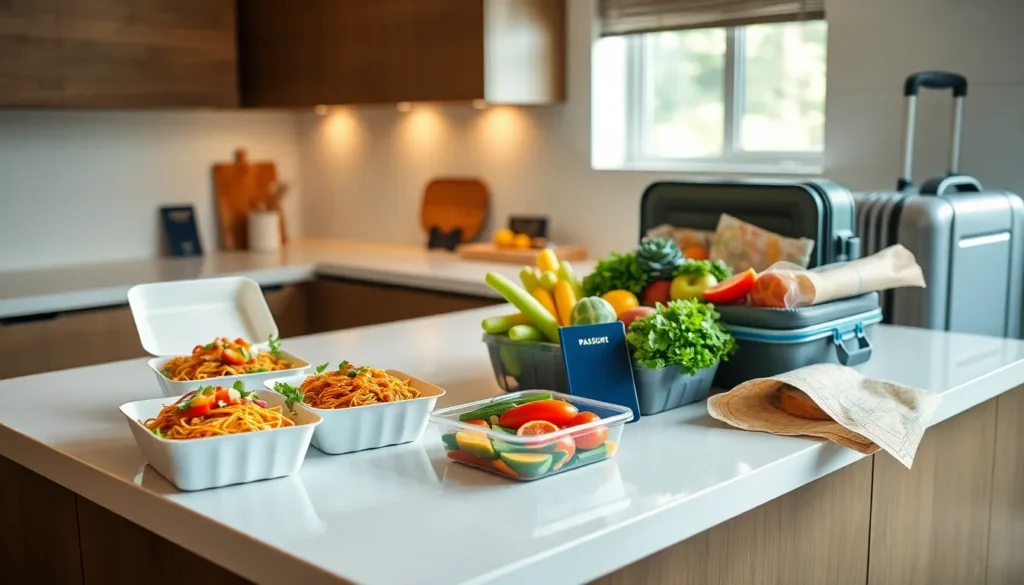

Travel food vs. home cooking sparks a debate among travelers everywhere. Some people crave local dishes from street vendors and restaurants. Others prefer packing homemade meals for the road. Each approach offers distinct advantages and drawbacks. The right choice depends on budget, health goals, time constraints, and personal taste. This guide compares travel food and home cooking to help travelers make informed decisions. Whether someone plans a weekend getaway or a month-long adventure, understanding these options creates a better travel experience.
Table of Contents
ToggleKey Takeaways
- Travel food vs. home cooking isn’t an either-or choice—combining both strategies helps maximize your budget and experience.
- Eating out while traveling offers cultural immersion and convenience but can quickly drain your budget and impact your health.
- Preparing your own travel food gives you control over ingredients, portions, and dietary needs while saving significant money.
- Start with homemade breakfasts and pack smart snacks to reduce costs, then splurge strategically on memorable local dining experiences.
- Choose accommodations with kitchen access to give yourself flexibility between travel food and home-cooked meals.
- The ideal balance depends on trip length, destination costs, and personal goals—food-focused trips call for more dining out, while long-term travel benefits from more cooking.
What Makes Travel Food Different From Everyday Meals
Travel food differs from everyday meals in several key ways. Local cuisine introduces flavors, ingredients, and cooking techniques that travelers rarely encounter at home. A bowl of pho in Vietnam tastes nothing like the version served at a local American restaurant. Street tacos in Mexico City use fresh tortillas and regional spices that transform a simple dish into something memorable.
Travel food also carries cultural significance. Sharing a meal with locals creates connections and offers insight into traditions. Food becomes an experience rather than just fuel for the body.
But, travel food presents challenges too. Unfamiliar ingredients can upset sensitive stomachs. Portion sizes vary wildly between countries. Some travelers struggle with food allergies when menus lack clear labeling.
The cost factor plays a significant role as well. Tourist areas often charge premium prices for mediocre food. A sandwich near the Eiffel Tower costs three times more than the same sandwich a few blocks away. Smart travelers learn to eat where locals eat, but finding those spots takes research and effort.
Travel food also lacks consistency. One restaurant might serve an incredible meal while the next disappoints. This unpredictability adds excitement for some travelers but frustrates others who prefer knowing exactly what they’ll get.
Pros and Cons of Eating Out While Traveling
Eating out while traveling offers clear benefits. Convenience tops the list. Travelers avoid grocery shopping, cooking, and cleaning dishes. They spend more time exploring attractions and less time in kitchens.
Advantages of Restaurant Dining
- Cultural immersion: Restaurants showcase regional specialties and cooking styles
- Time savings: No meal prep means more sightseeing hours
- Social opportunities: Cafes and restaurants provide spaces to meet other travelers
- Professional preparation: Trained chefs handle complex dishes that amateurs can’t replicate
- No equipment needed: Travelers skip packing cooking gear
Restaurant meals also create lasting memories. That perfect paella in Barcelona or the ramen shop discovered down a Tokyo alley becomes part of the travel story.
Disadvantages of Eating Out
The downsides deserve equal attention. Cost accumulates quickly. Three restaurant meals daily drains budgets fast, especially in expensive cities like London or Sydney.
Health concerns arise too. Restaurant portions often exceed reasonable sizes. Dishes contain more salt, sugar, and fat than home-cooked alternatives. Travelers who eat out constantly may return home feeling sluggish and heavier.
Dietary restrictions complicate restaurant dining abroad. Explaining allergies or preferences in a foreign language creates stress. Some cuisines rely heavily on ingredients that certain travelers must avoid.
Food safety varies between establishments. Street food in developing countries carries risk, though many experienced travelers argue it’s often fresher than restaurant fare sitting under heat lamps.
Preparing Your Own Travel Food: Benefits and Challenges
Preparing travel food offers control that restaurants cannot match. Travelers who pack their own meals know exactly what goes into each bite. This matters greatly for those managing allergies, diabetes, or specific dietary needs.
Why Travelers Choose Homemade Options
Budget-conscious travelers save significant money by preparing their own food. A week of groceries costs less than two or three restaurant dinners in most destinations. Long-term travelers and digital nomads especially benefit from this approach.
Home-prepared travel food allows travelers to maintain healthy eating habits. They control portion sizes, choose fresh ingredients, and avoid processed options. This becomes crucial during extended trips where restaurant meals might otherwise derail fitness goals.
Familiar foods also provide comfort during stressful travel moments. A delayed flight feels less frustrating when someone has packed favorite snacks. Homemade meals offer a taste of home during long journeys abroad.
The Challenges of DIY Travel Food
Preparing travel food requires planning and effort. Travelers need access to kitchens, grocery stores, and cooking equipment. Not every accommodation offers these amenities.
Food storage creates logistical problems. Perishable items spoil without refrigeration. Carrying coolers or insulated bags adds weight and bulk to luggage.
Time spent cooking means time not spent exploring. Some travelers find this trade-off acceptable while others resent every minute spent chopping vegetables instead of visiting museums.
Safety considerations apply to homemade travel food too. Improper storage or preparation can cause foodborne illness just as easily as questionable street vendors.
How to Balance Both Options on Your Next Trip
The smartest approach combines travel food and home cooking strategically. Travelers don’t need to choose one method exclusively. A balanced strategy maximizes benefits while minimizing drawbacks.
Practical Tips for Mixing Both Approaches
Start with breakfast at home. Travelers can stock accommodations with simple breakfast items like yogurt, fruit, and bread. This saves money and time each morning.
Reserve restaurant meals for lunch. Many restaurants offer lunch specials at lower prices than dinner service. Travelers experience local travel food without dinner-level costs.
Pack smart snacks. Trail mix, protein bars, and dried fruit travel well and prevent impulse purchases at tourist-trap cafes.
Research food markets. Local markets offer fresh, affordable ingredients and provide cultural experiences themselves. Browsing a Parisian market becomes an activity, not just a grocery run.
Splurge strategically on travel food. Save budget for one or two memorable restaurant experiences rather than spreading money thin across mediocre meals.
Consider accommodation carefully. Airbnbs and rentals with kitchens offer flexibility that hotels lack. Even a small refrigerator and microwave expand meal options significantly.
Finding the Right Balance
The ideal ratio between travel food and home cooking depends on trip length, destination, and personal priorities. A three-day city break warrants more restaurant dining than a month-long backpacking trip. Expensive cities like Zurich push travelers toward more home cooking while affordable destinations like Vietnam make eating out reasonable.
Travelers should also consider their goals. Food-focused trips to Italy or Japan call for more restaurant experiences. Adventure trips focused on hiking or diving might prioritize quick, prepared meals that fuel activities.