
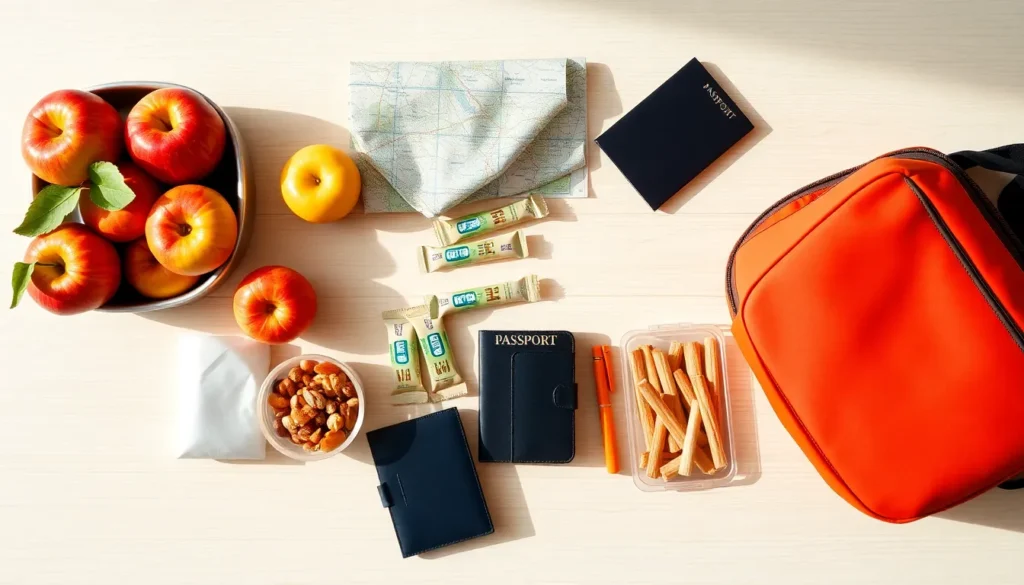

Travel food keeps people fueled during trips, commutes, and adventures away from home. Whether someone is catching a flight, driving cross-country, or hiking a mountain trail, the right food makes all the difference. But what exactly counts as travel food? And how does a person choose options that stay fresh, taste good, and provide real nutrition?
This guide breaks down everything travelers need to know about eating on the go. It covers the definition of travel food, explores popular options, and shares practical tips for packing and storing meals safely. By the end, readers will have a clear plan for their next journey, no more settling for overpriced airport sandwiches or questionable gas station snacks.
Table of Contents
ToggleKey Takeaways
- Travel food refers to any portable food or snack designed for convenience during trips, from homemade sandwiches to shelf-stable protein bars.
- The best travel food stays fresh without refrigeration, requires no utensils, and provides sustained energy through protein and fiber.
- Popular travel food options include granola bars, trail mix, dried fruit, whole fruits, hard-boiled eggs, and nut butter packets.
- Packing your own travel food helps you save money, accommodate dietary restrictions, and avoid overpriced airport or roadside meals.
- Use insulated bags with ice packs for perishable travel food and follow the two-hour rule to prevent spoilage and food safety issues.
- Avoid messy or strong-smelling foods in enclosed spaces, and always check airline security regulations before packing liquids or gels.
Defining Travel Food and Its Purpose
Travel food refers to any food or snack that people bring along or purchase during a trip. The term covers a wide range of items, from homemade sandwiches to pre-packaged protein bars. What sets travel food apart from regular meals? Convenience and portability.
The primary purpose of travel food is simple: sustain energy and prevent hunger while away from a kitchen or reliable food source. Long flights, road trips, train rides, and outdoor excursions all create situations where access to fresh meals becomes limited. Travel food fills that gap.
Good travel food shares a few key traits. First, it stays fresh without refrigeration (or with minimal cooling). Second, it’s easy to eat without utensils or much preparation. Third, it provides enough calories and nutrients to keep energy levels stable. A granola bar fits this description. So does a container of trail mix, a peanut butter sandwich, or dried fruit.
Travel food also serves a financial purpose. Airport restaurants, train station cafes, and tourist-area eateries often charge premium prices. Packing travel food helps travelers stick to a budget without sacrificing nutrition or satisfaction.
For families with children, travel food becomes even more important. Kids get hungry at unpredictable times, and having snacks on hand prevents meltdowns and keeps everyone happy. The same applies to people with dietary restrictions, bringing personal travel food ensures they have safe options available.
Common Types of Travel Food
Not all travel food is created equal. Some options work better for long hauls, while others suit short commutes. Here’s a breakdown of the most popular categories.
Packaged and Shelf-Stable Options
Packaged travel food dominates the market for good reason, it lasts. These items don’t need refrigeration and can survive being tossed in a bag for hours or even days.
Popular packaged travel food includes:
- Granola bars and protein bars
- Trail mix and mixed nuts
- Dried fruit (apricots, mangoes, cranberries)
- Beef jerky and turkey jerky
- Crackers with individual cheese or peanut butter packets
- Instant oatmeal cups
- Tuna or chicken pouches
- Nut butter squeeze packs
These shelf-stable options work especially well for air travel, where liquid restrictions and security checks complicate fresh food transport. They also shine during camping trips and long hikes where weight matters.
The downside? Many packaged options contain added sugars, sodium, or preservatives. Reading labels helps travelers avoid items that look healthy but aren’t.
Fresh and Portable Choices
Fresh travel food requires more planning but often tastes better and provides superior nutrition. These items need insulated bags or coolers for longer trips.
Top fresh travel food picks:
- Whole fruits (apples, bananas, oranges, grapes)
- Cut vegetables with hummus
- Hard-boiled eggs
- Cheese sticks or cheese cubes
- Yogurt cups (with ice packs)
- Sandwiches and wraps
- Homemade muffins or energy bites
Fresh travel food works best for road trips and short flights where travelers can control temperature conditions. Apples and bananas require no cutting or containers, they come in their own natural packaging. Hard-boiled eggs provide protein without needing utensils.
The key is matching travel food choices to trip length and available storage. A weekend road trip allows for more fresh options than a 14-hour international flight.
Tips for Choosing the Best Travel Food
Selecting the right travel food takes some thought. These tips help travelers make smart choices.
Prioritize protein and fiber. Foods high in protein and fiber keep hunger away longer than simple carbohydrates. A handful of almonds beats a bag of pretzels for lasting energy. Greek yogurt outlasts a sugary muffin.
Consider mess potential. Nobody wants crumbs everywhere or sticky fingers during a flight. Choose travel food that stays contained. Avoid items that melt, drip, or crumble excessively. Chocolate bars? Bad idea in summer. Crackers that shatter into a thousand pieces? Skip them.
Think about smell. Enclosed spaces like airplanes and cars amplify food odors. Strong-smelling travel food annoys fellow passengers. Tuna, hard-boiled eggs, and certain cheeses fall into this category. Save them for outdoor picnics instead.
Check security regulations. Airlines restrict liquids and gels, which affects some travel food choices. Hummus, yogurt, and peanut butter in containers larger than 3.4 ounces won’t make it through TSA checkpoints. Buy these items after security or pack them in checked luggage.
Balance nutrition with enjoyment. Travel food should provide fuel, but it should also taste good. Bringing only “healthy” options that nobody actually wants to eat leads to wasted food and hungry travelers buying junk at the first opportunity. Include a treat or two.
Account for dietary needs. Travelers with allergies, intolerances, or specific diets should pack extra travel food. Finding gluten-free, vegan, or nut-free options in unfamiliar places can prove difficult.
How to Pack and Store Travel Food Safely
Proper packing prevents spoilage and keeps travel food safe to eat. Follow these guidelines.
Use insulated bags for perishables. Any travel food that requires refrigeration needs proper cooling. Insulated lunch bags with ice packs maintain safe temperatures for 4-6 hours. Hard-sided coolers extend that window significantly for road trips.
Separate items to prevent cross-contamination. Keep raw and cooked foods apart. Use separate containers or bags for different food types. This matters especially for people with allergies traveling with companions who don’t share their restrictions.
Choose leak-proof containers. Nothing ruins a trip like yogurt exploding in a backpack. Invest in quality containers with secure lids. Mason jars work well for salads and overnight oats. Silicone bags handle snacks without creating waste.
Pack strategically. Place travel food you’ll eat first on top or in easily accessible pockets. Keep the rest secured deeper in luggage. This prevents items from getting crushed and reduces the need to dig through bags repeatedly.
Follow the two-hour rule. Perishable travel food shouldn’t sit at room temperature for more than two hours (one hour if temperatures exceed 90°F). When in doubt, throw it out. Food poisoning on vacation is nobody’s idea of fun.
Label everything. For longer trips or group travel, labeling containers with contents and dates helps track freshness. It also prevents the classic “is this still good?” guessing game.